Choosing the Best Battery Charger for Wholesale Needs

Get a Free Quote

Our representative will contact you soon.
Email
Mobile
Name
Company Name
Products of Interest
Message
0/1000

Best battery charger

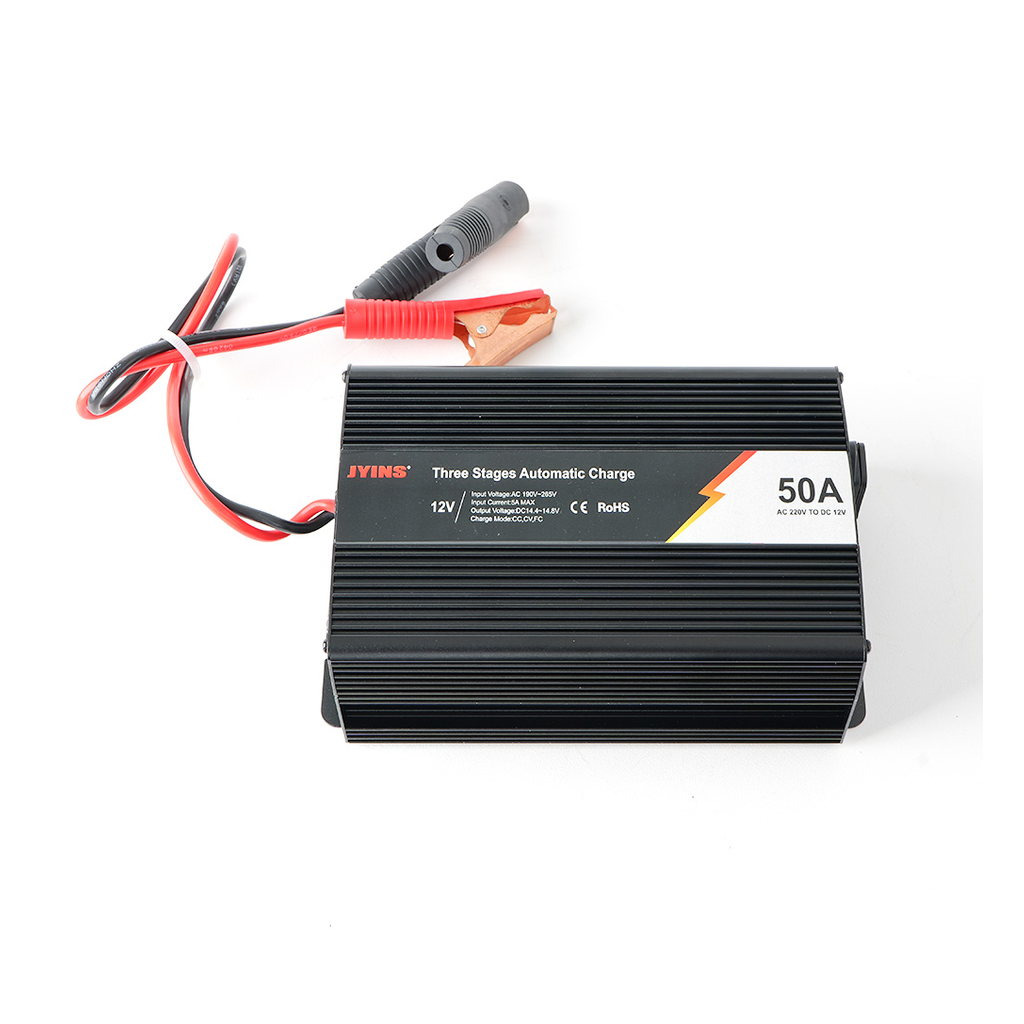
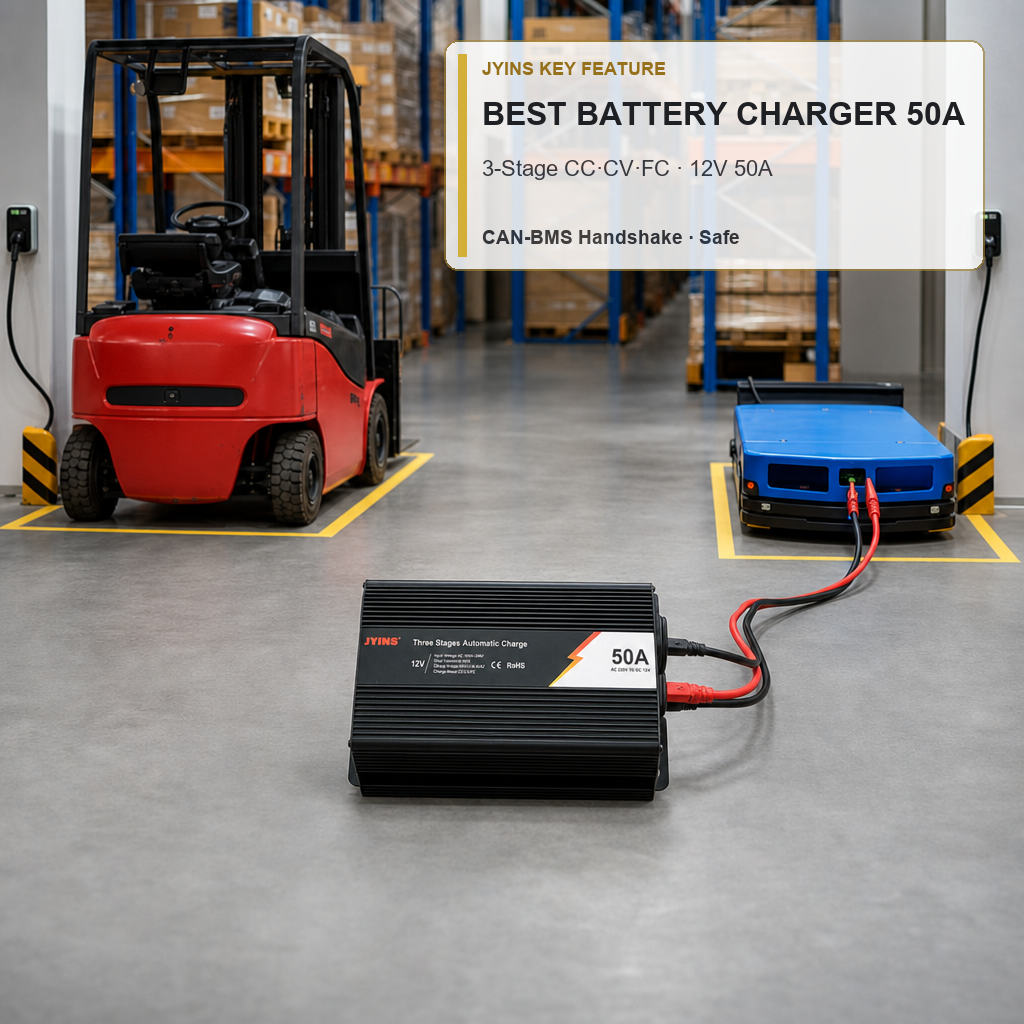
Choosing the best battery charger for wholesale needs is essential for businesses that rely on efficient energy management and equipment operation. As a B2B buyer, understanding the various features and specifications of cost of battery chargers selection is crucial to making informed decisions that directly impact your operations. This article will provide insights into selecting the right fast battery charger, focusing on key specifications, essential buyer insights, cost factors, and common issues you might encounter. 

Our Products

Key Specifications to Consider for Battery Charger Selection

Key Specifications to Consider for Battery Charger Selection

When evaluating cost of battery chargers, several specifications are critical: 

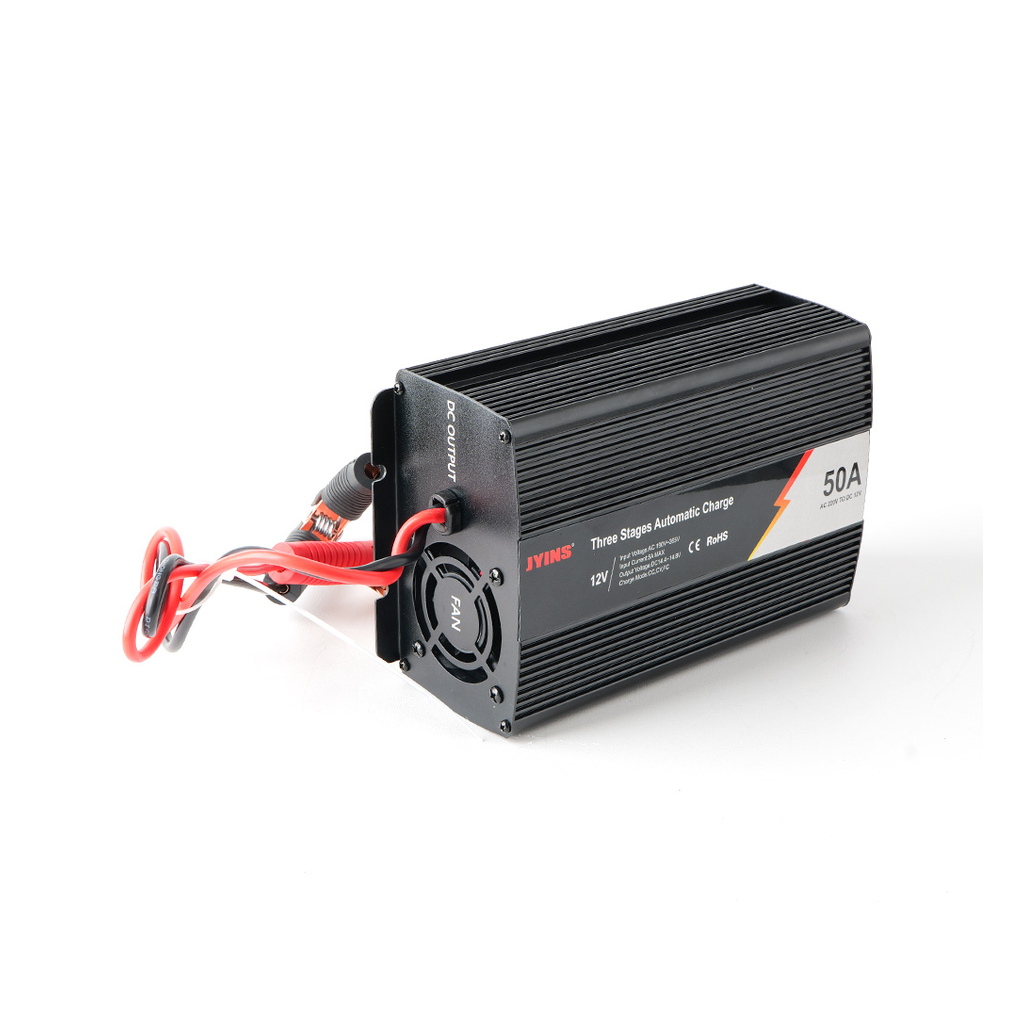
Charging Voltage and Current: Ensure the charger is compatible with your battery specifications. For example, a lead-acid battery typically requires a charging voltage and current of 12V or 24V depending on its configuration. The charging current should match the battery’s capacity for optimal charging efficiency. 

Efficiency Rating: Look for chargers with high efficiency ratings, which indicates less energy waste and faster charging times.  A charger with an efficiency rating of 90% or higher is advisable.  

Safety Features: Overcharge protection, temperature monitoring, and short-circuit protection are vital features that prevent battery damage and ensure safe operation. These features are especially important in commercial applications where safety is a top priority. 

Portability and Design: Consider the design of the charger—whether it is compact for easy transport or designed for permanent installation. This impacts usability in various settings. 

Certifications: Ensure that the charger adheres to relevant safety and quality standards, such as ISO9000, which can provide assurance of product quality and reliability. 
Essential Buyer Insights

Essential Buyer Insights

Understanding the needs of your organization is critical when choosing a battery charger. Start by analyzing the frequency and volume of battery usage. For instance, businesses with high turnover rates of battery usage may benefit from chargers that allow for simultaneous charging of multiple batteries. 

Communication with your supplier like Jyins is also essential. Ask about customization options for specific requirements, such as unique charging voltage and current specifications or branding. It's beneficial to consider suppliers with a proven track record in lipo battery charger manufacturing, as they can offer recommendations based on their expertise. 

Finally, don't overlook the importance of after-sales support. A reliable manufacturer should provide adequate support for troubleshooting, warranty issues, and potential repairs, which can save time and resources in the long run.  

Cost Factors to Evaluate When Sourcing Battery Chargers

Cost Factors to Evaluate When Sourcing Battery Chargers

The cost of battery chargers can vary widely based on several factors. First, consider the initial purchase price, which can be influenced by the charger’s specifications and features. High-quality, feature-rich chargers may have a higher upfront cost but often lead to savings in the long term due to increased efficiency and reduced maintenance needs. 

Second, evaluate the total cost of ownership, which includes operational costs such as energy consumption, maintenance costs, and potential downtime. Chargers that offer energy-efficient performance or require less frequent servicing can lead to lower overall costs. 

Additionally, consider the minimum order quantity (MOQ) when sourcing chargers. Suppliers may offer discounts on bulk orders, which can lead to significant savings. However, ensure that you have assessed your actual needs to avoid over-ordering. 

Lastly, take into account shipping and handling fees, especially for international shipments. Researching and discussing these costs with your supplier like Jyins upfront can prevent unexpected expenses later. 

Common Problems with Battery Chargers and Practical Solutions

Even the best battery chargers can encounter issues. One common problem is overheating during operation, which can be minimized by ensuring proper ventilation around the charger and using models with built-in temperature monitoring features. 

Another issue is compatibility with different battery types. It is crucial to confirm that the selected charger is designed for the specific batteries in use. Misuse can lead to battery damage or reduced lifespan. Always consult the manufacturer’s specifications before making a purchase. 

Lastly, buyers should be aware of the potential for manufacturing defects. Before committing to a large order, request samples for testing. Evaluate the samples under actual operating conditions to ensure they meet your performance expectations. 

By addressing these common concerns and implementing practical solutions, you can enhance the reliability of your battery charging operations and improve overall efficiency. 

selecting the best 12 volt lithium battery charger for wholesale needs involves careful consideration of specifications, costs, and potential issues. By leveraging the insights provided, you can make informed purchasing decisions that align with your business requirements at Jyins. 

How to Choose the Best Battery Charger for Wholesale Needs

When selecting the best battery charger for your wholesale needs, several factors come into play. First, assess the types of batteries you will be charging—lead-acid, lithium-ion, or others—as compatibility is paramount. Next, consider the charging speed and the output voltage of the charger, as these factors will affect your workflow efficiency. 

Another important consideration is the charger’s features, such as smart charging technology, which optimizes the charging process and prolongs battery life. Additionally, evaluate the durability and construction quality of the charger, especially if it will be used in rugged environments. Lastly, think about the scalability of the charger—whether it can accommodate future battery types or charging demands as your business grows. 

Frequently Asked Questions

What types of batteries does the best battery charger support?

Our charger supports lead-acid, AGM, GEL and lithium batteries commonly used in off-grid solar systems. Check the product manual for specific voltage and capacity ranges to ensure compatibility.
Yes. Designed for off-grid solar use, it integrates with solar panels and inverters, offering multi-stage charging and protection to optimize battery life in standalone systems.
Manufactured under ISO9000-aligned processes, the charger includes overcharge, short-circuit, reverse polarity and temperature protections to ensure reliable and safe operation.
We provide manufacturer warranty and technical support from our experienced team. Contact customer service with product details and purchase information for warranty claims and troubleshooting.
Keep the unit clean and dry, ensure proper ventilation, inspect connections periodically, update firmware if applicable, and follow charging guidelines in the manual to maximize lifespan.

Our Blog Posts

Why JYINS Leads in Custom Bidirectional inverter PCB boards Manufacturing

01

Apr

Why JYINS Leads in Custom Bidirectional inverter PCB boards Manufacturing

JYINS is company that really stands out in making custom bidirectional inverter PCB boards. These PCBs they are very important pieces that control energy flow in things like solar inverters and electric cars. JYINS use special methods and tools to ma...
View More
Scaling Off-Grid Energy: A Technical Analysis of Parallel Bidirectional Inverters in Sustainable Microgrids

15

May

Scaling Off-Grid Energy: A Technical Analysis of Parallel Bidirectional Inverters in Sustainable Microgrids

Introduction: The Evolution of Off-Grid Power As the global transition toward renewable energy accelerates, the demand for resilient and scalable off-grid solutions has never been higher. Sustainable microgrids—localized energy systems that can...
View More
Vetting the 'Peak Efficiency' vs. 'Weighted Efficiency' for industrial inverter tenders

25

Jun

Vetting the 'Peak Efficiency' vs. 'Weighted Efficiency' for industrial inverter tenders

Introduction: The Pitfalls of Peak Efficiency in Tender Evaluations In the highly competitive landscape of industrial power inverter tenders, B2B procurement directors and engineering consultants face a barrage of technical proposals from manufacture...
View More
How to conduct a 'Stress Test' on sample inverters before placing high-volume OEM orders?

25

Jun

How to conduct a 'Stress Test' on sample inverters before placing high-volume OEM orders?

Introduction: The Capital Risk of High-Volume OEM Procurement For B2B procurement directors, electrical wholesalers, and solar system developers, placing a high-volume OEM (Original Equipment Manufacturer) order for power inverters represents a signi...
View More

Get a Free Quote

Our representative will contact you soon.
Email
Mobile
Name
Company Name
Products of Interest
Message
0/1000
Choosing the Best Battery Charger for Wholesale Needs

Get a Free Quote

Our representative will contact you soon.
Email
Mobile
Name
Company Name
Products of Interest
Message
0/1000