Auto Solar Charge Controllers: Key Benefits & Specs

Get a Free Quote

Our representative will contact you soon.
Email
Mobile
Name
Company Name
Products of Interest
Message
0/1000

auto solar charge controller

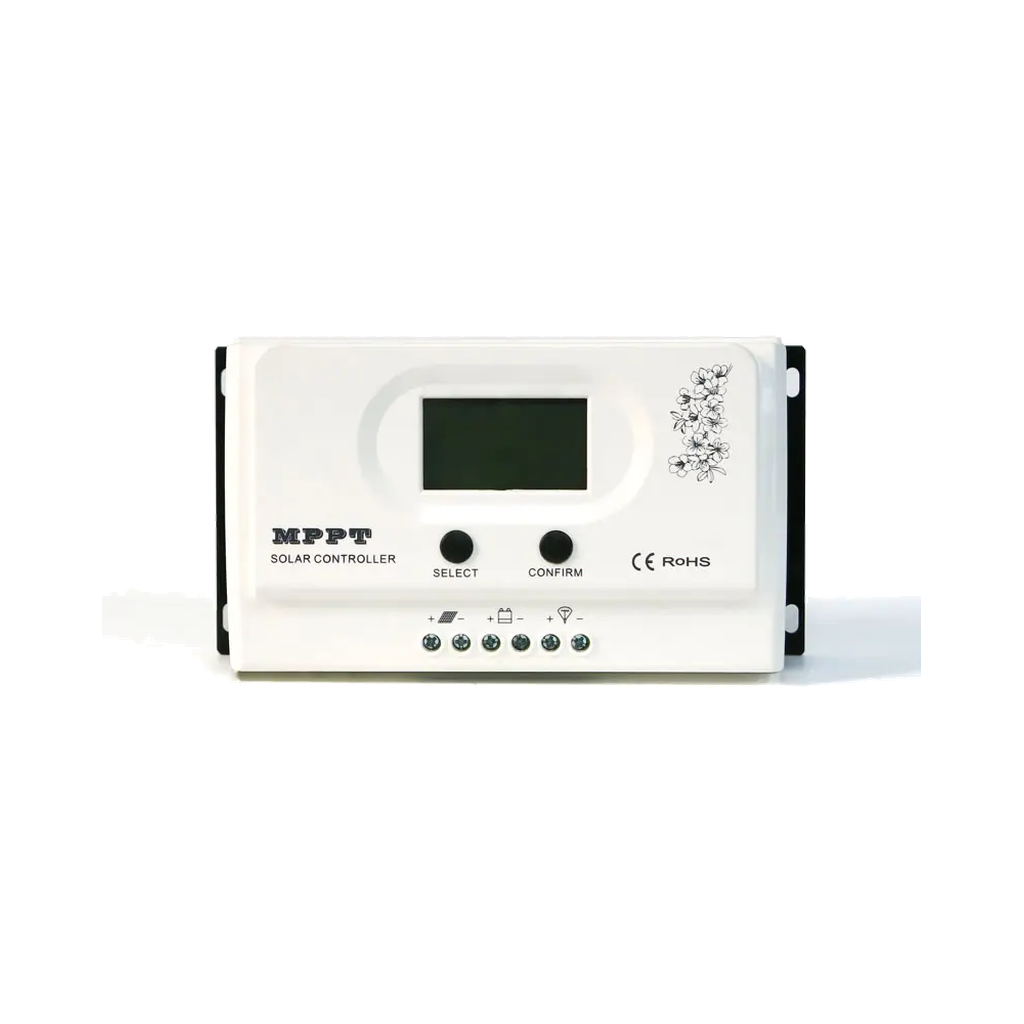
Auto  solar charge  controllers  are essential  devices in off-grid solar power  systems, designed to manage the charging of batteries from  solar panels efficiently. They help prevent overcharging and  deep  discharging, which can  significantly extend the life  of batteries. For B2B buyers, such as purchasing  managers, distributors, and project engineers,  understanding the specifications and functionalities of these controllers is crucial in making informed purchasing decisions. This article will  explore  the sourcing options and  benefits, key  specifications to evaluate, installation  guidance, common problems  and solutions,  and applications  of auto solar charge controllers in renewable energy projects.
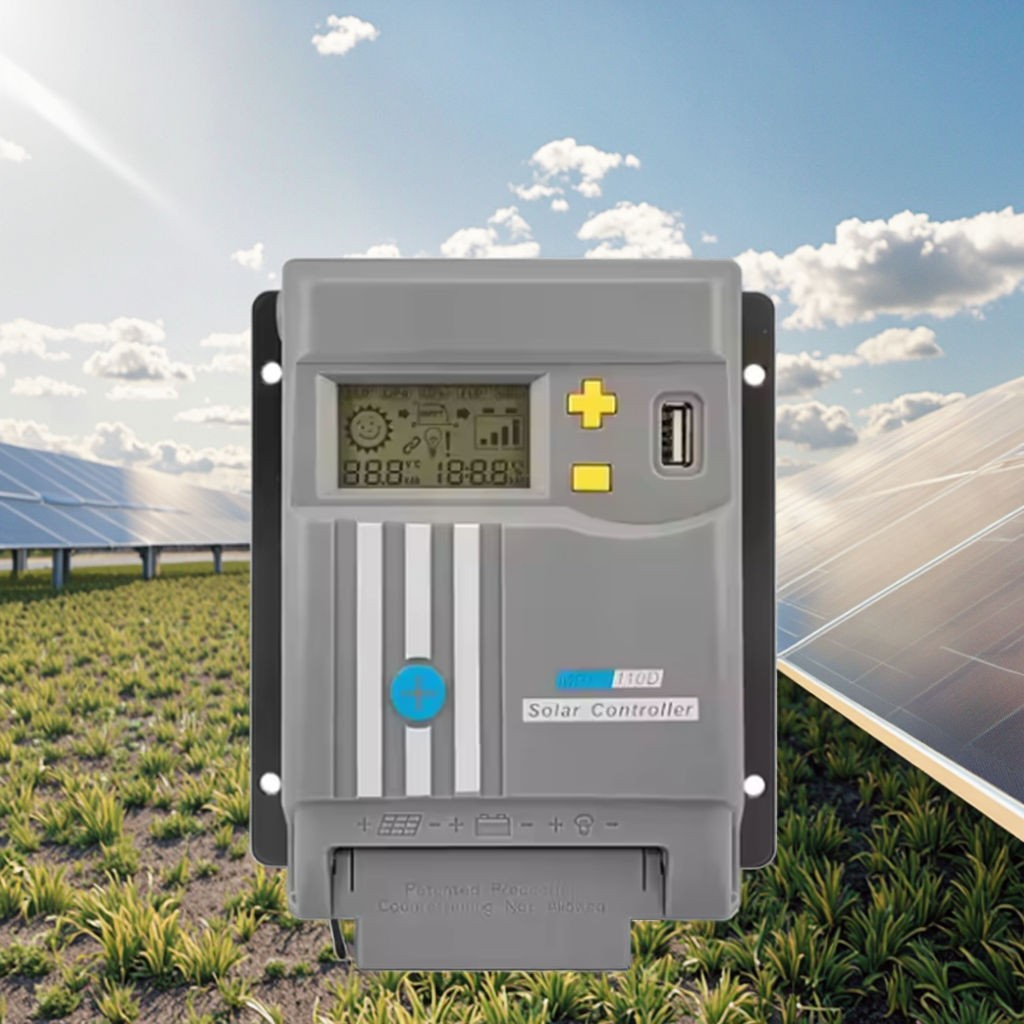
Key Specifications to Evaluate in Auto Solar Charge Controllers

Key Specifications to Evaluate in Auto Solar Charge Controllers

When evaluating auto solar charge controllers, several  key specifications are crucial for ensuring that the controller meets the specific needs of a project:

Voltage  Compatibility: Controllers typically come  in various voltage ratings (12V, 24V, 48V, etc.). Buyers  should ensure that the controller’s  voltage  matches their solar panel and battery system to prevent compatibility issues.

Current Rating:  The current rating of the controller must align with  the total current output of the  solar panels. Exceeding this rating can lead  to failure or  damage.

Efficiency: Look for controllers with high efficiency ratings to minimize energy loss. High-quality controllers can achieve efficiencies above 90%, which is vital for optimizing solar energy  usage.

Protection Features:  Ensure the controller includes features such as overcharge  protection,  over-discharge protection,  and short circuit protection. These features safeguard the battery and prolong  its lifespan.

Display  and Monitoring: Some controllers come equipped  with digital displays or communication ports for monitoring performance. This can be beneficial for system diagnostics and performance tracking.

Temperature Compensation: Controllers that offer temperature compensation adjust charging based on the battery temperature,  which can significantly enhance battery performance and longevity.
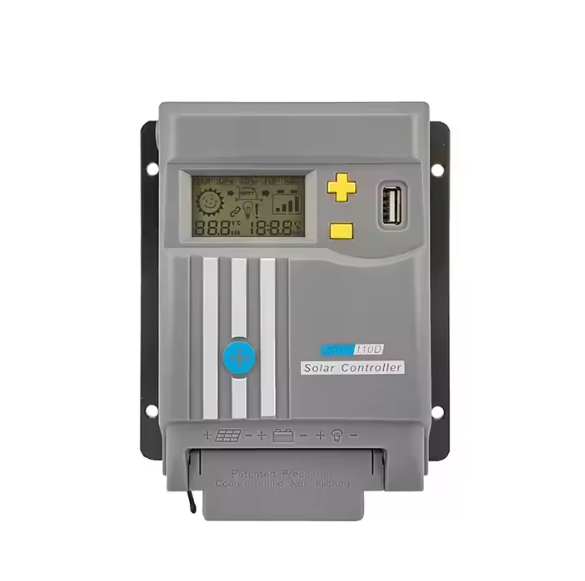
Installation Guidance for Auto Solar Charge Controllers in Projects

Installation Guidance for Auto Solar Charge Controllers in Projects

Proper installation of  auto solar charge controllers is critical to ensure optimal performance. Here are  general guidelines to follow:

Location: Install the controller in a cool, dry place away from direct sunlight to prevent overheating. Adequate  ventilation is also essential to dissipate heat generated during operation.

Wiring: Follow the manufacturer’s wiring  instructions carefully.  Use appropriately gauged wires to handle the expected current and minimize  voltage drop. Ensure  all connections are secure to prevent arcing or short circuits.

Fusing: Incorporate fuses or circuit breakers  in the system to protect against overcurrent situations. This is particularly important for the wires connecting the solar panels to  the controller.

Testing:  Before connecting the battery, test the controller with a multimeter to ensure  proper  voltage readings. This  can  help identify any installation issues before the system is powered.

Calibration and  Configuration: Some controllers may require  configuration based on the specific  battery type. Ensure that any  settings are correctly  adjusted to  match the battery chemistry (e.g., lead-acid, lithium-ion).

Common Problems with Auto Solar Charge Controllers and Solutions

Common Problems with Auto Solar Charge Controllers and Solutions

Even high-quality  auto solar charge  controllers can  present issues. Here are some common problems and their solutions:


Overcharging: If  the batteries are consistently  overcharged, it  could be due to a faulty controller or incorrect settings. Ensure that the controller is compatible with the battery type and check for firmware updates if applicable.

Undercharging: Conversely, if the batteries are not charging  adequately, check the wiring for loose connections or breaks. It may  also be necessary to verify that the solar panels are functioning correctly and producing adequate voltage.

Display Malfunctions: If the digital display is  not functioning, it may be due to power issues or  firmware bugs.  Resetting the unit  or consulting the  manufacturer for troubleshooting advice is recommended.

Heat Issues: If the controller overheats, ensure that it is installed in  a well-ventilated area. High ambient temperatures can  affect performance, so consider relocating it if  necessary.

Incompatibility with Batteries: Sometimes, controllers may not function properly with  certain battery  types. It is essential to verify compatibility before purchase or  installation.

Applications of Auto Solar Charge Controllers in Renewable Energy Projects

Auto solar  charge controllers are widely  used in various renewable energy projects, including:


Off-Grid Solar Systems: Essential  for residential and commercial off-grid  solar installations, ensuring that battery banks receive the optimal charge while preventing damage.

Remote Telecommunications: In areas without grid access,  solar charge controllers help power telecommunications equipment, maintaining  connectivity in remote  locations.


Solar-Powered Water  Pumps: These controllers are vital in solar water pumping  systems, ensuring that the  pump receives sufficient  power  while protecting the battery  from over-discharge. Moreover, integrating these systems with a Solar Panel can enhance efficiency and reliability.

Agricultural Applications: Used in solar irrigation systems, charge controllers help manage  the energy needed for pumps, ensuring efficient water management in farming.


Emergency Backup  Systems: Many businesses incorporate solar charge controllers into their backup power systems, ensuring that batteries are charged and ready for use during outages.


Understanding these applications can help buyers identify the right solutions for their specific needs  and projects, ensuring successful implementations of renewable energy systems.

Sourcing Options and Benefits

When sourcing  auto  solar charge controllers, buyers have several options to consider. Manufacturers like Zhejiang Jyins  Electrical Co., LTD  specialize in high-quality off-grid solar products and adhere to international ISO9000 standards, ensuring quality assurance throughout their production process. Purchasing directly  from manufacturers can lead to several benefits, including:

Cost Efficiency: By  sourcing directly, buyers often eliminate middlemen, leading to  better pricing structures and potential cost savings on  bulk orders.

Customization: Established  manufacturers can offer  tailored solutions to  meet specific requirements, whether it's for unique technical specifications or  packaging needs.

Quality Assurance: Long-standing manufacturers  typically have rigorous quality control processes and can provide certifications that ensure the products meet industry standards. This is particularly important in  industries where reliability is  paramount.


Technical Support: Working directly  with manufacturers like Zhejiang Jyins  can provide access  to expert knowledge and support throughout the purchasing process, ensuring that buyers select  the right product for their application.

In addition to auto solar charge controllers, buyers may also consider integrating a AC/DC Water PUMP Solar pump to further enhance their solar energy systems.

Our Blog Posts

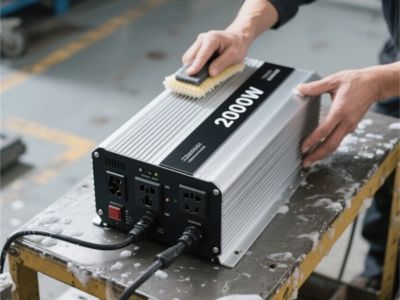
The Impact of Waveform Quality in Power frequency inverters

14

May

The Impact of Waveform Quality in Power frequency inverters

Waveform quality in power frequency inverters are important topic for anyone who into how electricity get made and used. Inverters change DC to AC, and this need because most appliances run on AC power. The waveform they make can affect devices alot,...
View More
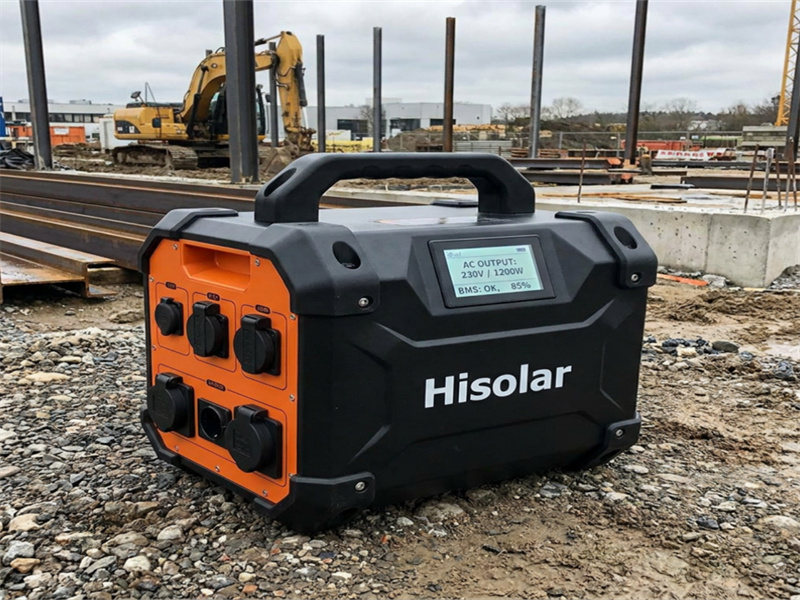
Portable Power for Extreme Job Sites: Vetting Durability and Battery Management Systems (BMS) for Construction Fleets

15

May

Portable Power for Extreme Job Sites: Vetting Durability and Battery Management Systems (BMS) for Construction Fleets

The New Standard for On-Site Power: Beyond Generators For decades, the roar of diesel generators was the soundtrack of the construction industry. However, a quiet revolution is taking place on extreme job sites. As regulations on noise and emissions ...
View More
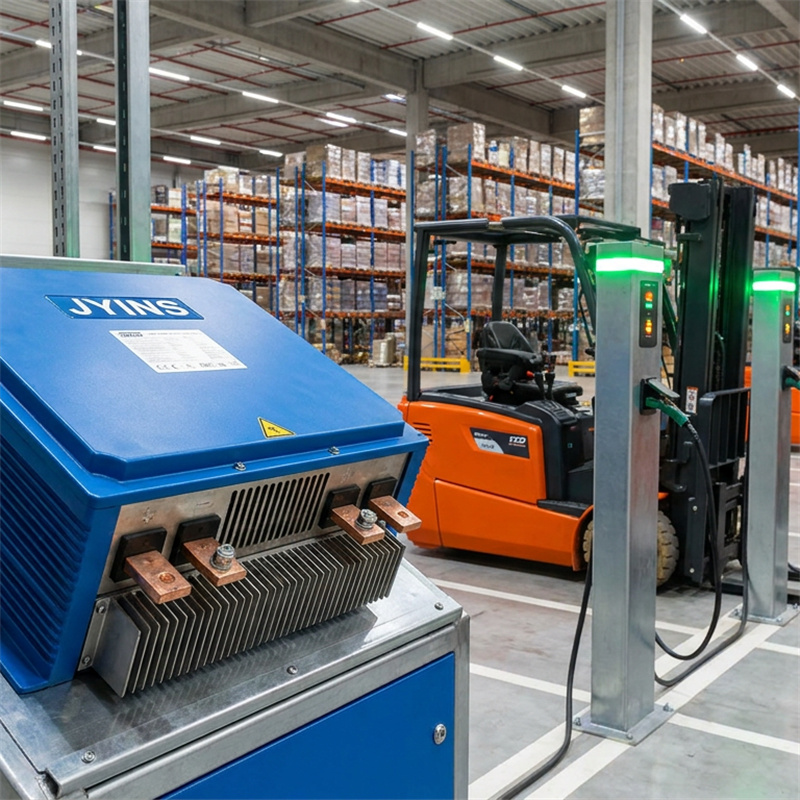
Designing power conversion for Electric Forklift Charging Stations in large distribution centers.

25

Jun

Designing power conversion for Electric Forklift Charging Stations in large distribution centers.

Q: Designing power conversion for Electric Forklift Charging Stations in large distribution centers. Introduction: The Electrification of Logistics Infrastructure In modern supply chain management, large-scale distribution centers and logistics hubs ...
View More
Selecting Power Conversion for Cold Chain Logistics: Ensuring reliability at -20°C.

25

Jun

Selecting Power Conversion for Cold Chain Logistics: Ensuring reliability at -20°C.

Q: Selecting Power Conversion for Cold Chain Logistics: Ensuring reliability at -20°C. Introduction: The Critical Nature of Cold Chain Integrity Cold chain logistics is a highly specialized sector of the transport and supply chain industry. It is...
View More

Get a Free Quote

Our representative will contact you soon.
Email
Mobile
Name
Company Name
Products of Interest
Message
0/1000
Auto Solar Charge Controllers: Key Benefits & Specs

Get a Free Quote

Our representative will contact you soon.
Email
Mobile
Name
Company Name
Products of Interest
Message
0/1000