EN


A 24 volt pure sine wave inverter charger is a crucial component for off-grid energy systems, converting DC power from batteries into stable AC power for various applications. Buyers often seek reliability, efficiency, and compatibility with their existing systems when selecting such devices. This article will guide you through the key factors to consider when choosing a 24 volt pure sine wave inverter charger, detailing specifications, purchasing options, production quality, and installation guidance to help streamline your decision-making process.
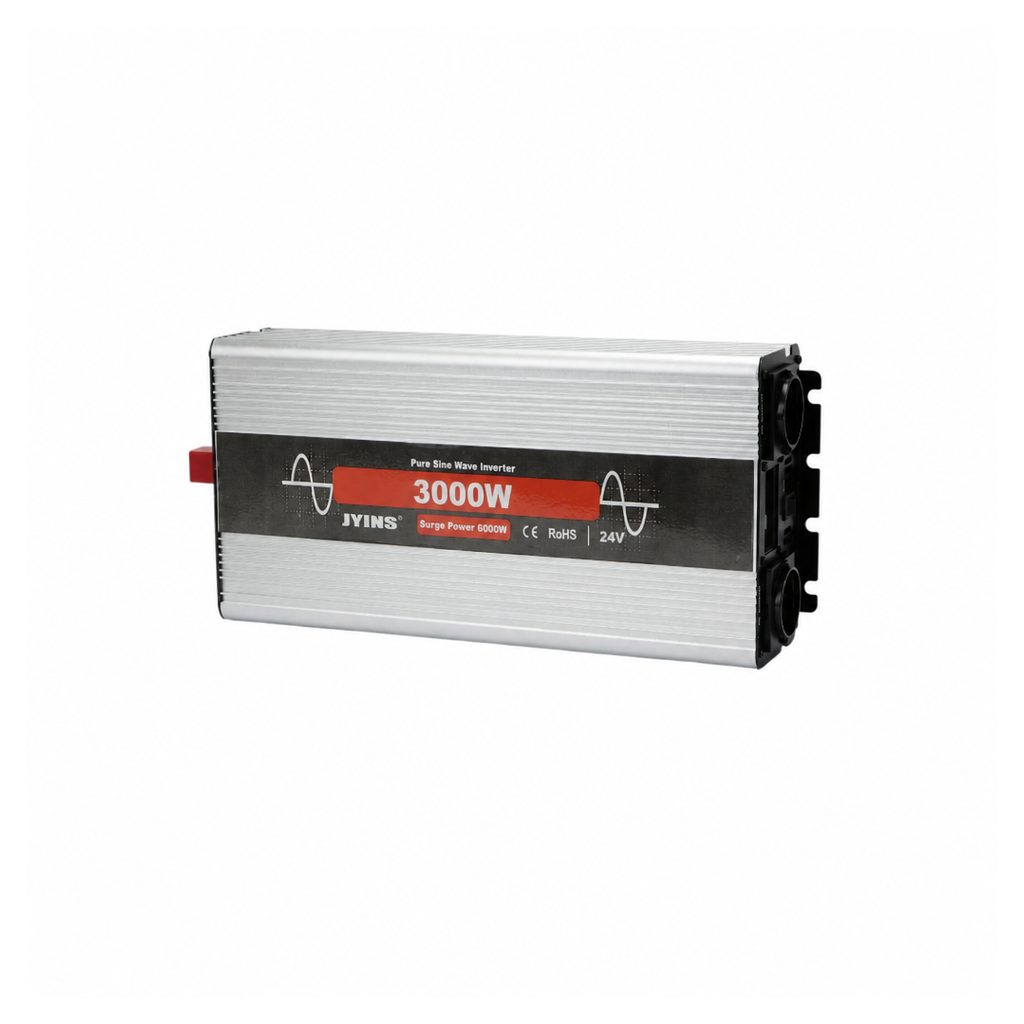
Key Specifications of 24 Volt Pure Sine Wave Inverter Chargers Explained
Understanding the key specifications of 24 volt pure sine wave inverter chargers is vital for making an informed purchase. Here are some important parameters to consider:
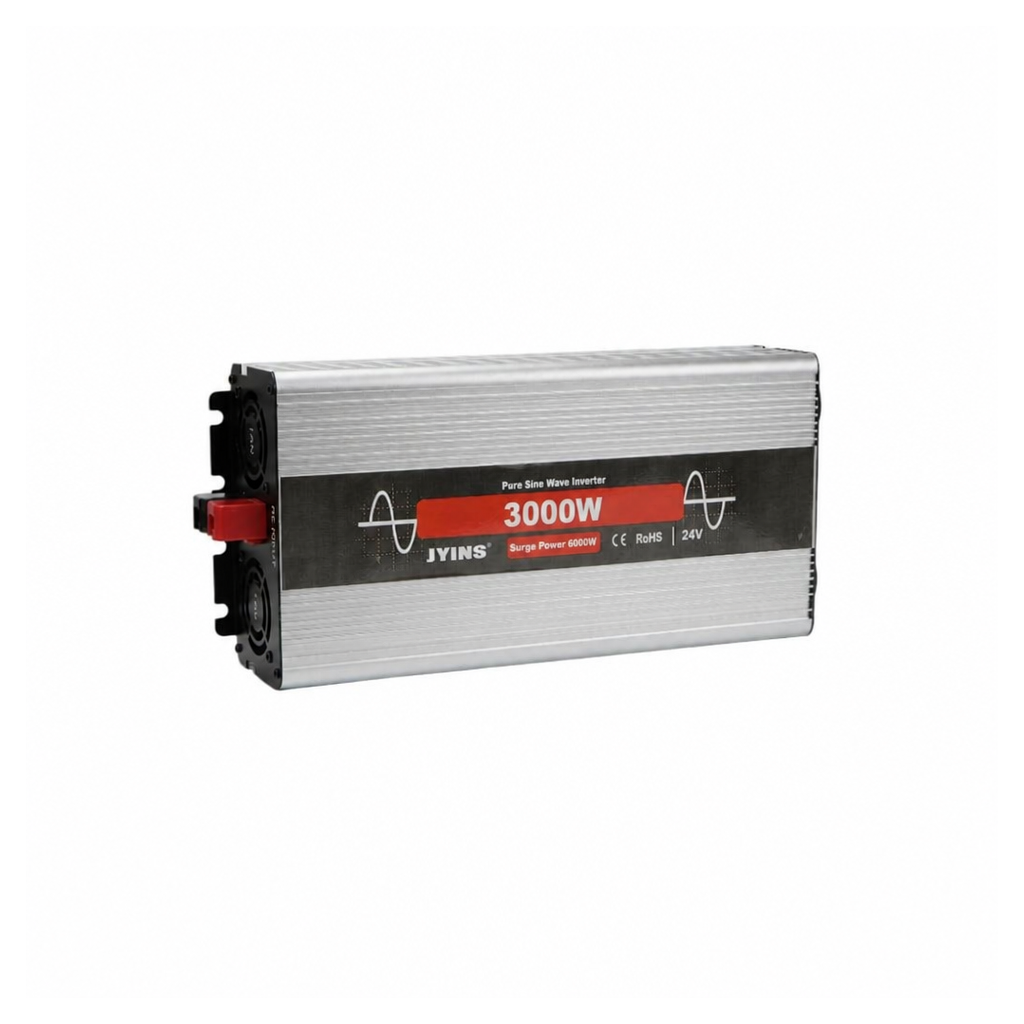
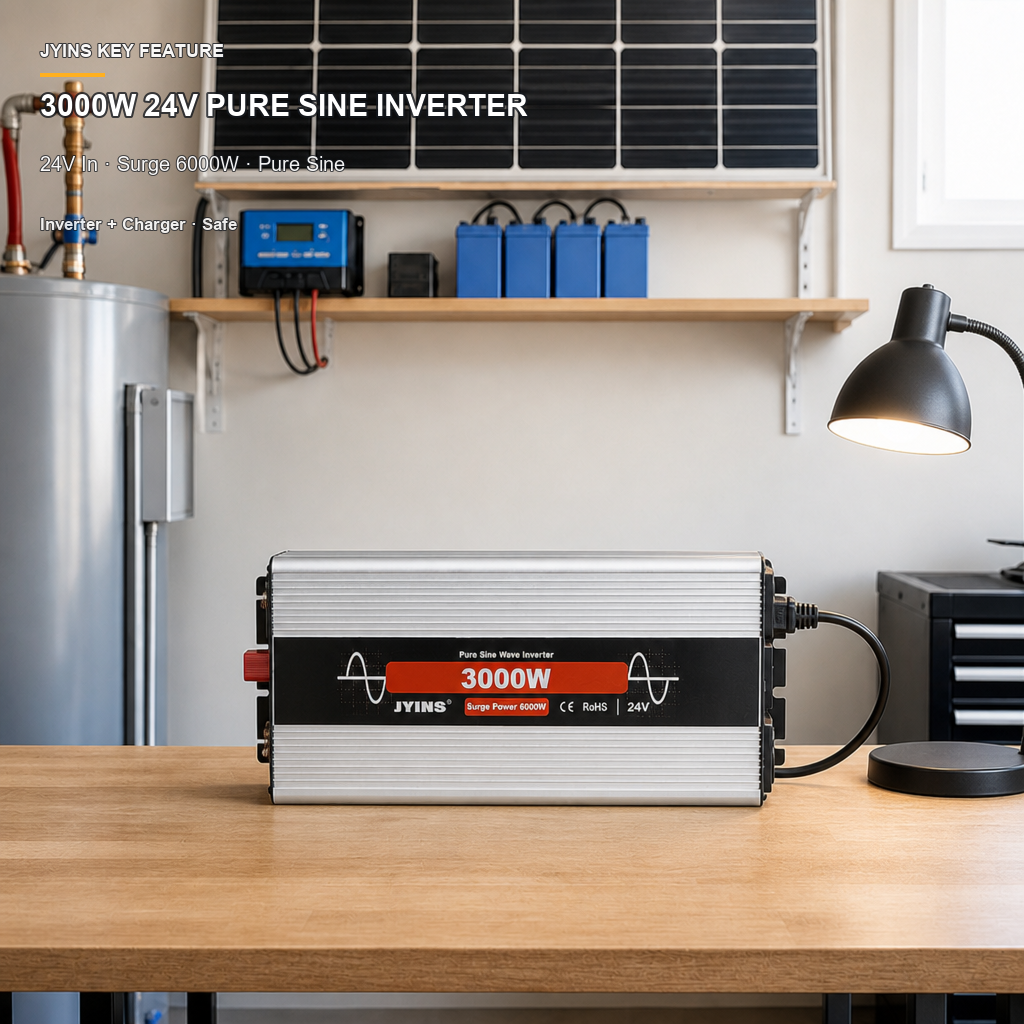
Output Power Rating: Measured in watts (W), this indicates the maximum power the inverter can supply. It is crucial to choose an inverter that matches or exceeds your power needs.
Efficiency: This indicates how much of the DC power is converted to AC power. A higher efficiency rating (typically above 90%) suggests less energy loss.
Surge Capacity: This represents the maximum power the inverter can provide for a short duration, usually needed to start motor-driven appliances. Check that the surge capacity exceeds the starting wattage of your highest power-consuming device.
Waveform Type: Pure sine wave output is essential for sensitive electronics, as it provides cleaner power compared to modified sine wave inverters. This minimizes the risk of damage to sensitive equipment.
Charging Capability: Some inverter chargers can recharge batteries, offering dual functionality. Check the input voltage range and charging profiles supported.
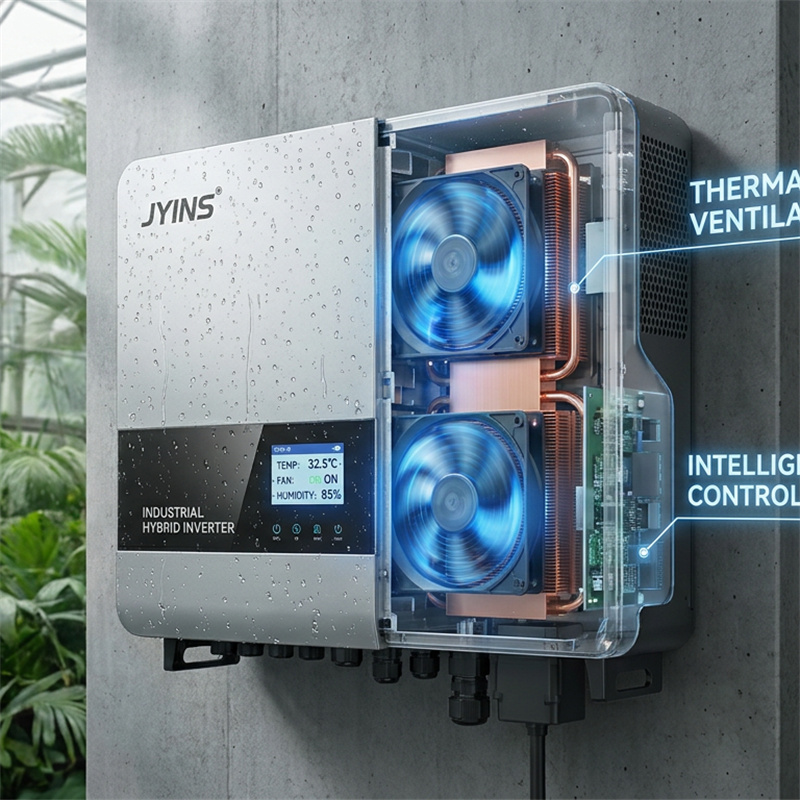
Protection Features: Look for built-in protections against overcharging, overheating, and short-circuiting, which enhance the longevity and safety of your system.