Top Considerations for RV Power Inverter Chargers

Get a Free Quote

Our representative will contact you soon.
Email
Mobile
Name
Company Name
Products of Interest
Message
0/1000

rv power inverter charger

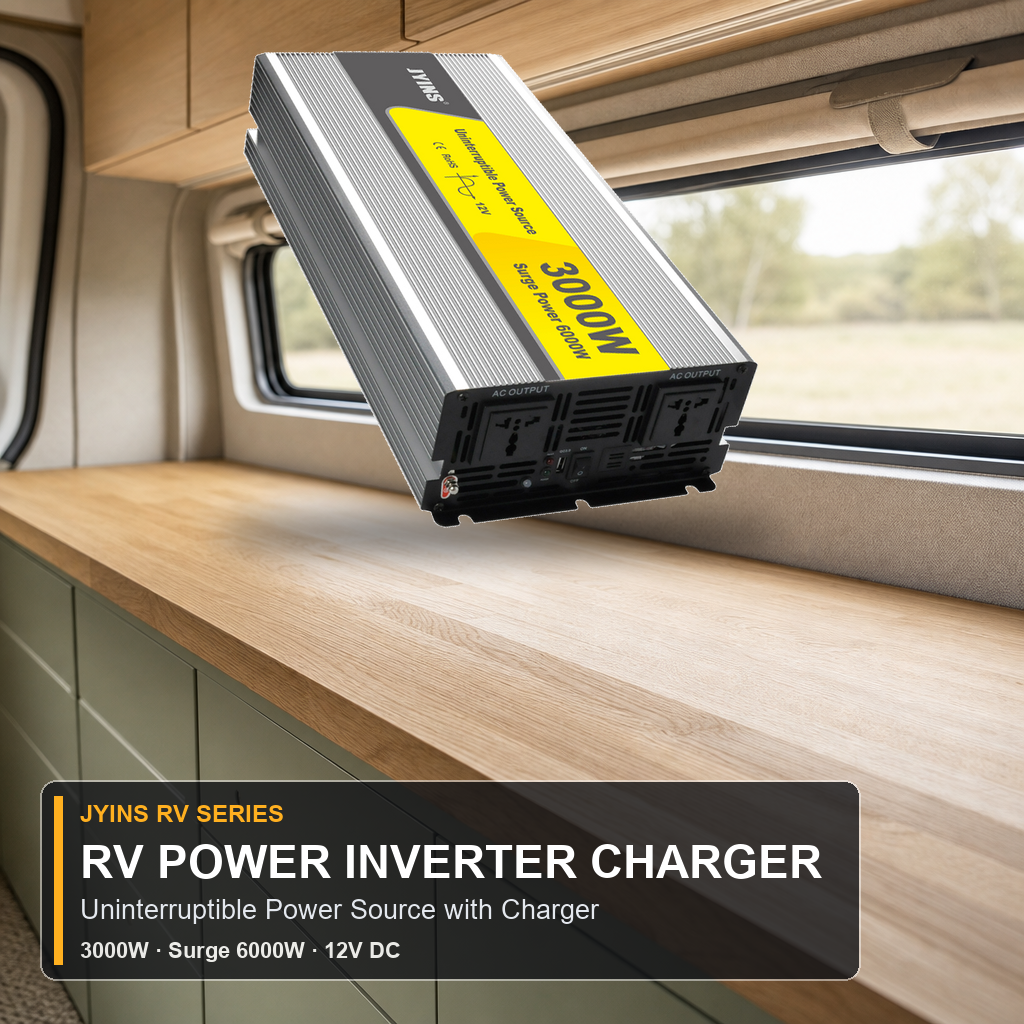
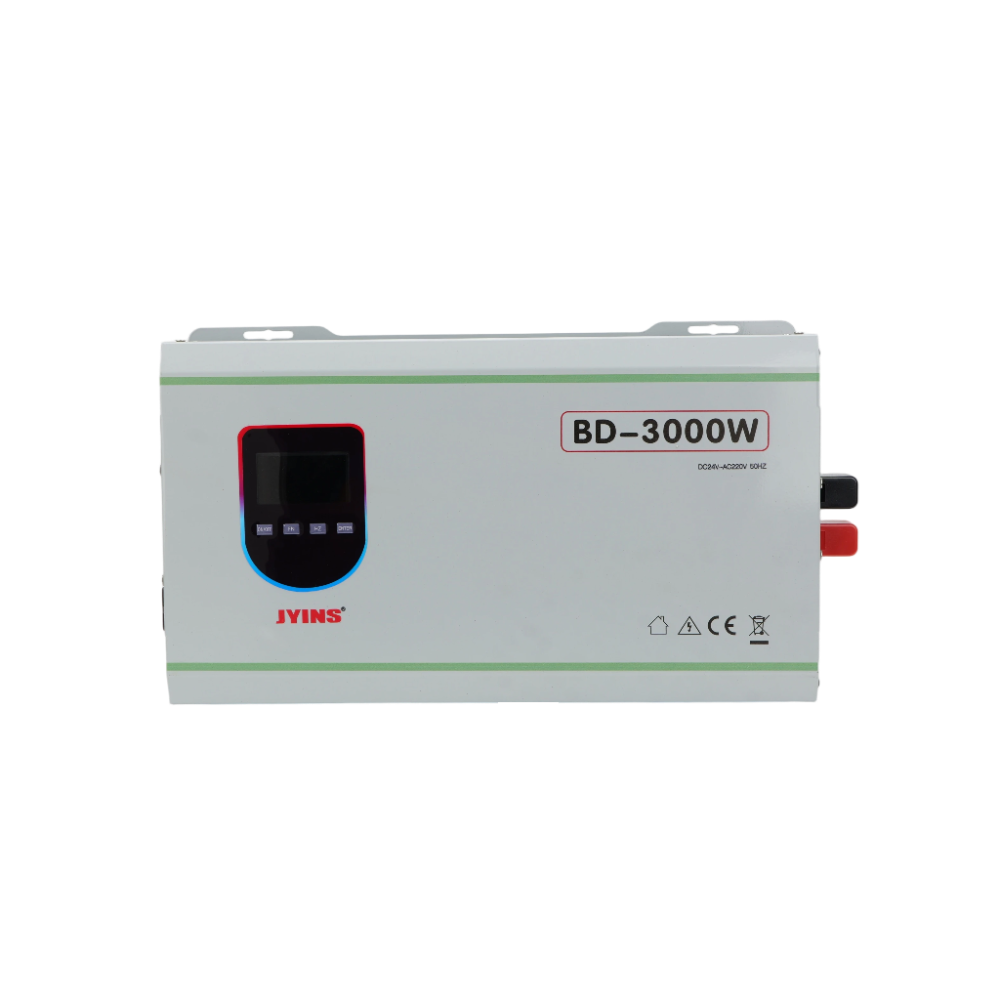
RV power inverter chargers  are  essential devices for converting DC  power from an RV's battery into AC power for household appliances. When  considering an  RV power inverter charger, purchasing  managers and  distributors often have  concerns about compatibility, efficiency, and reliability.  This  article  will provide  insights  into key factors to consider when selecting an inverter charger, sourcing options, essential specifications,  common applications, and solutions  to potential issues.  By understanding these aspects, buyers can  make  informed decisions that meet their specific  needs.
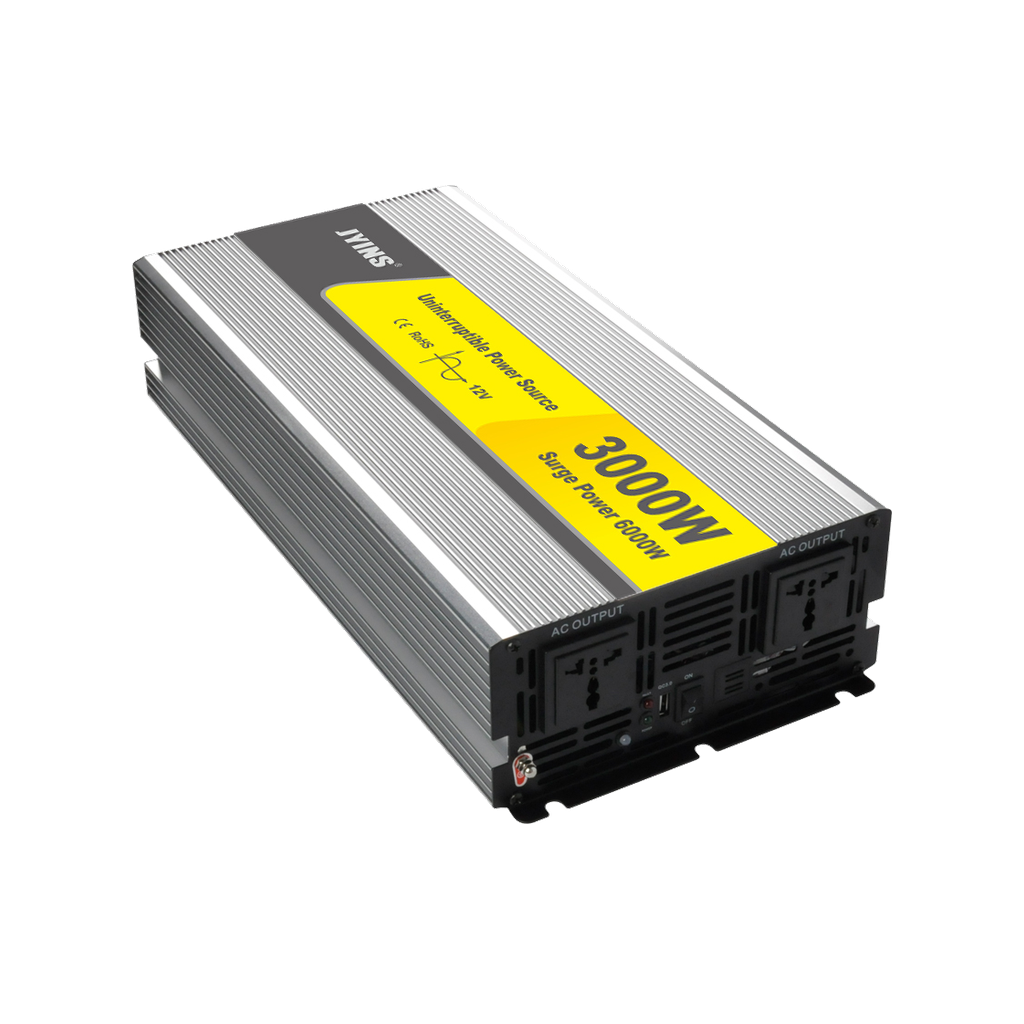
 
Wholesale Sourcing Options for RV Power Inverter Chargers

Wholesale Sourcing Options for RV Power Inverter Chargers

Sourcing RV power  inverter chargers can be  done through various channels, including manufacturers, wholesalers, and distributors. Engaging  directly with manufacturers like Zhejiang Jyins  Electrical Co., LTD can provide benefits such as  better pricing, customization  options, and insights into the production process. This direct relationship can also facilitate the  acquisition of high-quality products that meet  international standards, such as ISO9000. If looking for battery solutions, consider our Battery Charger options as well.

Wholesalers typically  offer a range of products from different manufacturers, allowing for  easy comparisons. However,  they may not provide the same level of customization or  insight into product specifications. It’s  crucial to consider the minimum order  quantities (MOQ) when sourcing, as this can affect pricing and inventory management.

Distributors often have established relationships  with manufacturers and  can provide  logistical support, including shipping and handling. They can  also offer valuable market insights and trends, which can be advantageous when deciding  which  products to stock.
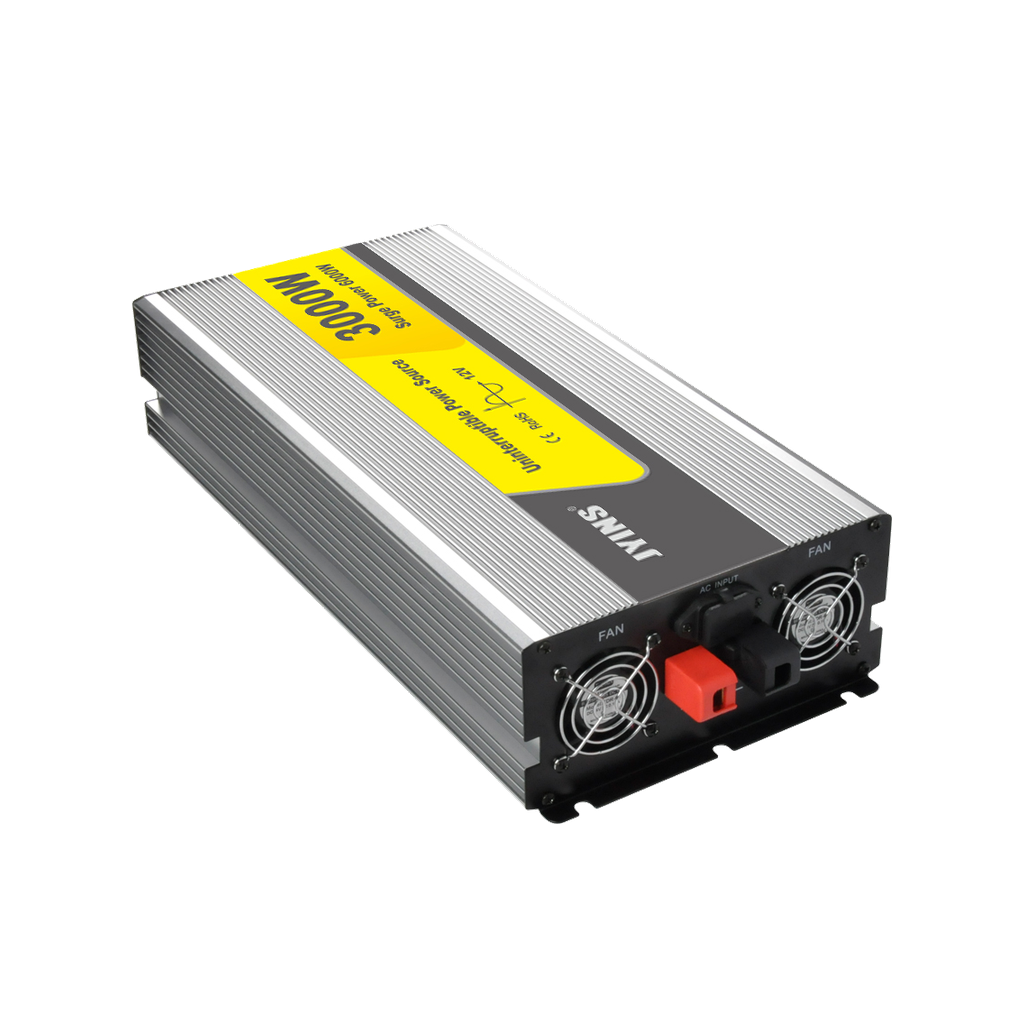
Key Specifications for High-Quality RV Power Inverter Chargers

Key Specifications for High-Quality RV Power Inverter Chargers

When evaluating RV power inverter chargers, specific technical specifications are critical to  ensuring  that the product meets your operational needs. Key specifications include:

Input Voltage: Ensure compatibility with  your RV's battery  system, typically 12V or 24V. Output Voltage: Most appliances  require 110V or 220V AC output, depending on  the region. Power  Rating: Determine  the continuous  and  peak power ratings to ensure  the inverter  can handle both running  and surge loads. Efficiency Rating:  Look for inverters with at least 90% efficiency to reduce energy losses. Size and Weight: Consider  the physical dimensions and weight, as this impacts installation options and space within the RV. Cooling Method: Inverters may use passive or active  cooling systems.  Active cooling can enhance performance during high-load  conditions.

Understanding these specifications can help buyers select the right inverter charger that aligns with their needs  and  operational constraints.

Top Applications for RV Power Inverter Chargers in the Field

Top Applications for RV Power Inverter Chargers in the Field

RV power inverter chargers  are versatile devices with multiple applications, making them invaluable in various scenarios. Common applications include:

Recreational  Use: For  camping or road trips, inverters allow users  to power small appliances like microwaves, coffee makers, and  televisions, enhancing the overall comfort of the RV experience. Emergency Backup: Inverters  can serve as backup power sources during power outages, enabling users to keep essential devices running  when grid power is unavailable. Work on the Go:  For  professionals  who work remotely,  inverters can power  laptops and other necessary equipment,  allowing for productivity while  traveling. Outdoor Events: Inverters can provide power for outdoor gatherings, enabling  the use of sound systems, lighting, and other electronic devices.

These applications  underscore  the  importance of selecting a  high-quality RV power inverter charger that  can meet various demands reliably.

Solutions to Common Problems with RV Power Inverter Chargers

Despite their benefits, RV power inverter  chargers can encounter common issues that users should be aware  of. Here are some solutions  to frequent problems:

Overheating: This can occur due to  high demand or inadequate ventilation. Ensure that the inverter charger is  installed in a well-ventilated  area and consider models with  built-in cooling fans.

Inadequate Power Supply: If  the inverter is unable to power certain devices, it may be under-rated for the  required load. Verify the wattage of all  appliances and select a charger that  exceeds the total demand.

Battery Drain: If the inverter is consuming too much power when idle, consider models with low idle consumption features. Regularly check battery health and connections to ensure optimal performance.


Compatibility  Issues: Some older appliances may not function correctly with  modified sine wave inverters. For sensitive electronics,  opt  for pure sine wave inverters  to avoid performance issues.

By understanding these common problems and their solutions, buyers can better prepare for potential challenges and ensure smooth operation of their RV power inverter chargers.

In summary, selecting the right RV power inverter charger involves careful consideration of specifications, sourcing  options, and potential challenges. By applying the insights provided, purchasing managers and distributors can make informed decisions that  enhance their product offerings and meet customer needs  effectively.

What to Consider When Choosing an RV Power Inverter Charger

When selecting an  RV power  inverter charger, several factors play a crucial role in ensuring optimal performance and  compatibility with your RV's  electrical system. First, consider the power output. Inverters are  rated  in watts, and it’s vital to  choose an  inverter that meets or exceeds  the total wattage of the appliances you plan to run simultaneously. Additionally, consider the type of inverter you need, such as a Pure Sine Wave Inverter, which is suitable for sensitive devices.

Another critical aspect is the inverter type. There are two main types:  pure sine wave and  modified sine wave inverters. Pure sine wave inverters produce a smooth, consistent output similar to grid power,  making them ideal for sensitive electronics like laptops and medical equipment. Modified sine wave inverters are generally more cost-effective but can cause issues  with some devices.


Additionally,  examine the inverter  charger’s efficiency rating. A higher efficiency rating means less energy loss  and more effective power conversion, which is  essential for maximizing battery life. Lastly, ensure that the inverter  charger has the necessary safety features, such  as over-voltage protection and thermal shutdown, to prevent damage to both the inverter and your RV’s electrical system.

Our Blog Posts

Why Industrial Hybrid inverters Require Robust Surge Protection

14

May

Why Industrial Hybrid inverters Require Robust Surge Protection

A industrial hybrid inverter, used as a key devices in the factory and huge building, can manage power from any source like a solar or grid power. But these inverter are easily affected by electric surge. The surge is defined as a sudden high voltage...
View More
How to Verify the Actual Output of an Inverter Power Rating

14

May

How to Verify the Actual Output of an Inverter Power Rating

If you are purchasing an inverter, you will want to be informed about what the actual output is. Often, this does not match what is written on the packaging and is very problematic for those that require an inverter to operate critical equipment such...
View More
How to manage 'Three-Phase Unbalance' limits in German VDE-AR-N 4105 compliant industrial setups?

24

Jun

How to manage 'Three-Phase Unbalance' limits in German VDE-AR-N 4105 compliant industrial setups?

The German Low-Voltage Grid Standard: VDE-AR-N 4105 Germany is home to one of the most sophisticated and highly regulated electricity networks in the world. As the country pushes toward its Energiewende (energy transition), the integration of distrib...
View More
How to evaluate the 'Short-Circuit Withstand' (Icw) ratings for heavy-duty industrial power stations.

24

Jun

How to evaluate the 'Short-Circuit Withstand' (Icw) ratings for heavy-duty industrial power stations.

The Crucial Role of Short-Circuit Withstand Ratings in Industrial Power Heavy-duty industrial power stations, such as those powering mining operations, chemical plants, and massive manufacturing facilities, operate within high-energy electrical grids...
View More

Get a Free Quote

Our representative will contact you soon.
Email
Mobile
Name
Company Name
Products of Interest
Message
0/1000
Top Considerations for RV Power Inverter Chargers

Get a Free Quote

Our representative will contact you soon.
Email
Mobile
Name
Company Name
Products of Interest
Message
0/1000