EN


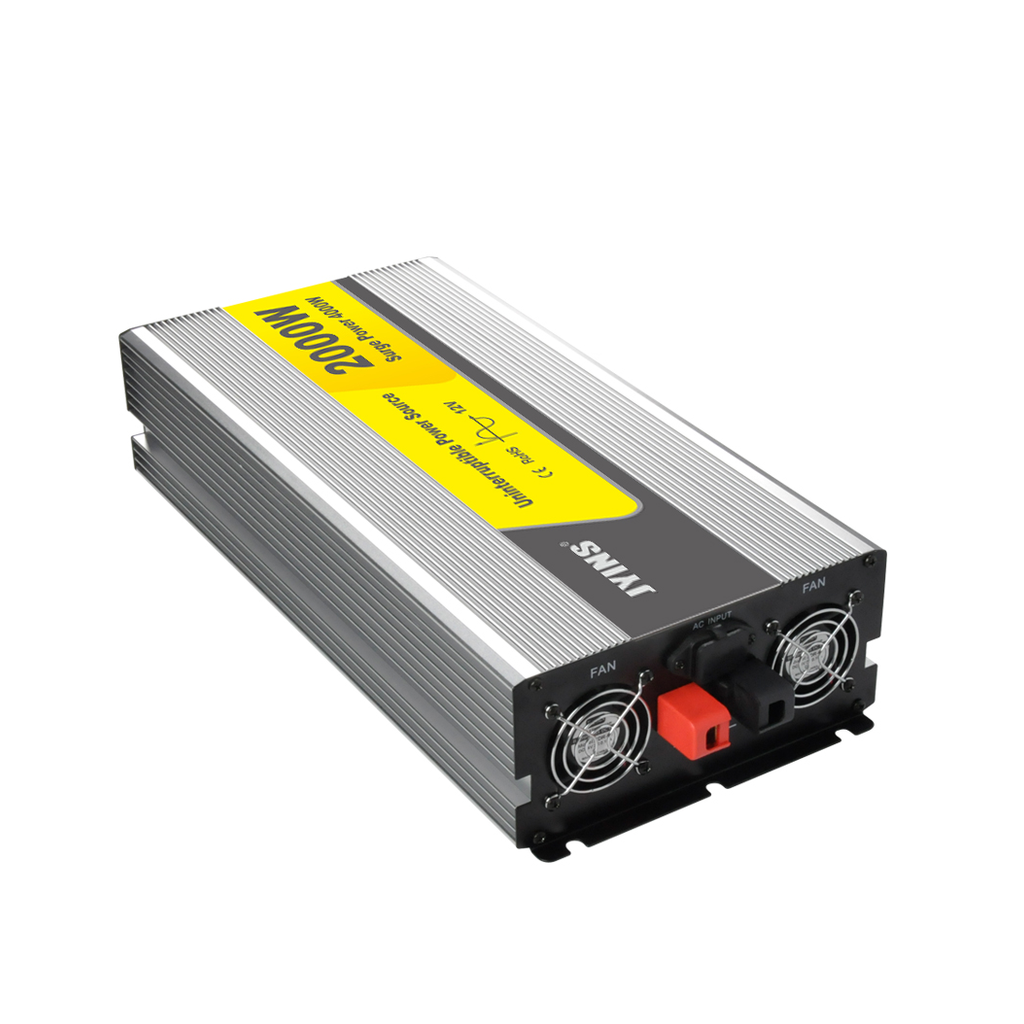
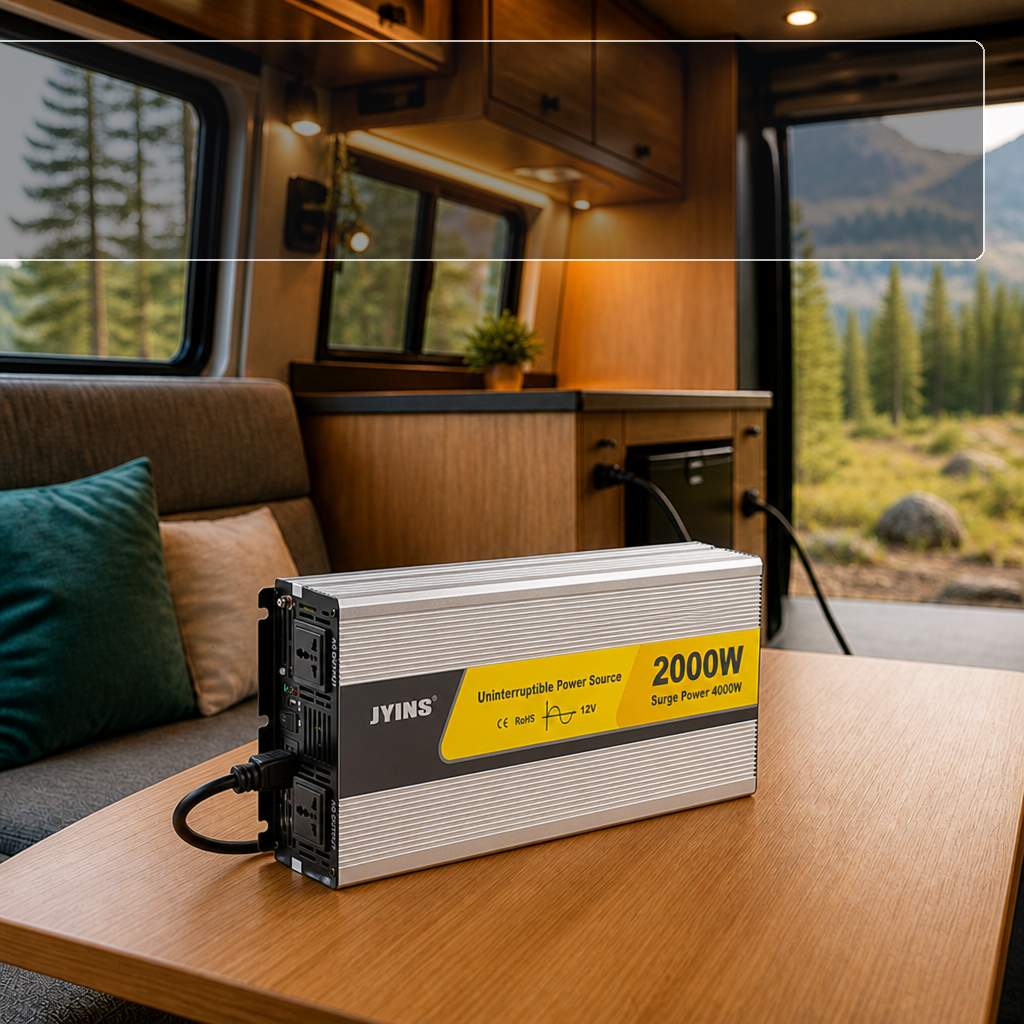
A pure sine wave inverter with battery charger is an essential component for businesses looking to harness solar energy efficiently. It not only converts DC power generated from solar panels into usable AC power but also integrates a battery charging function to ensure a reliable energy supply. For B2B buyers, key concerns include product specifications, quality assurance, and application suitability. This article will guide you through choosing the right inverter, understanding cost factors, finding reliable suppliers, evaluating quality, and exploring various industrial applications of pure sine wave inverters.
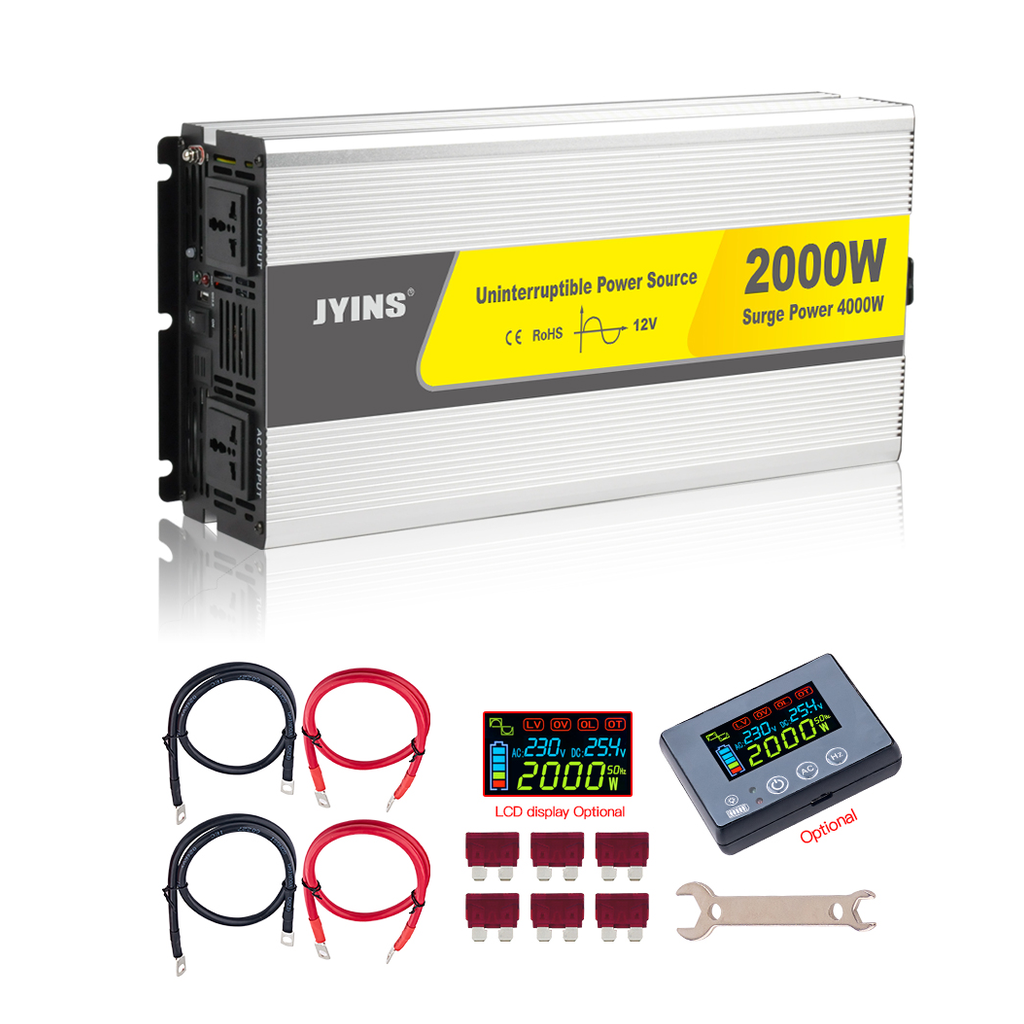
Understanding the Cost Factors of Pure Sine Wave Inverters
The cost of pure sine wave inverters varies based on several factors:
Power Rating: Higher-capacity inverters typically command higher prices due to the increased complexity in design and manufacturing.
Brand Reputation and Quality: Well-established brands like Zhejiang Jyins Electrical Co., LTD often provide superior quality assurance and longer warranties, which can justify a higher cost compared to lesser-known brands.
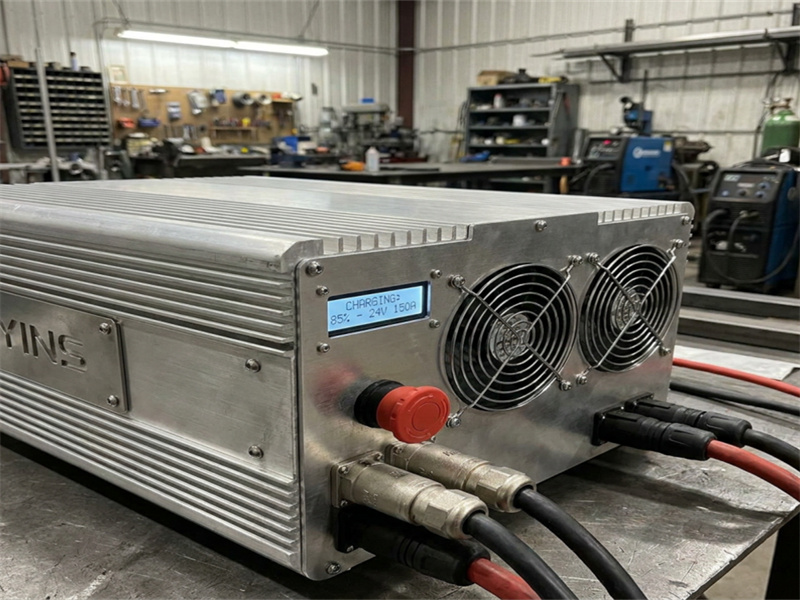
Features: Inverters with advanced features such as remote monitoring, integrated battery management systems, or superior thermal management will usually cost more.
Material and Manufacturing Standards: Inverters that adhere to international standards, such as ISO9000, may have higher production costs but offer better reliability and performance. Ensure that you discuss quality certifications when requesting quotes.
Market Demand and Supply Chain Factors: Fluctuations in demand for solar products and changes in supply chain dynamics can also affect pricing. Buyers should stay informed about market trends to negotiate better deals.
Understanding these cost factors will help you budget effectively and make informed purchasing decisions.