Choosing the Right Solar Voltage Regulator

Get a Free Quote

Our representative will contact you soon.
Email
Mobile
Name
Company Name
Products of Interest
Message
0/1000

solar voltage regulator

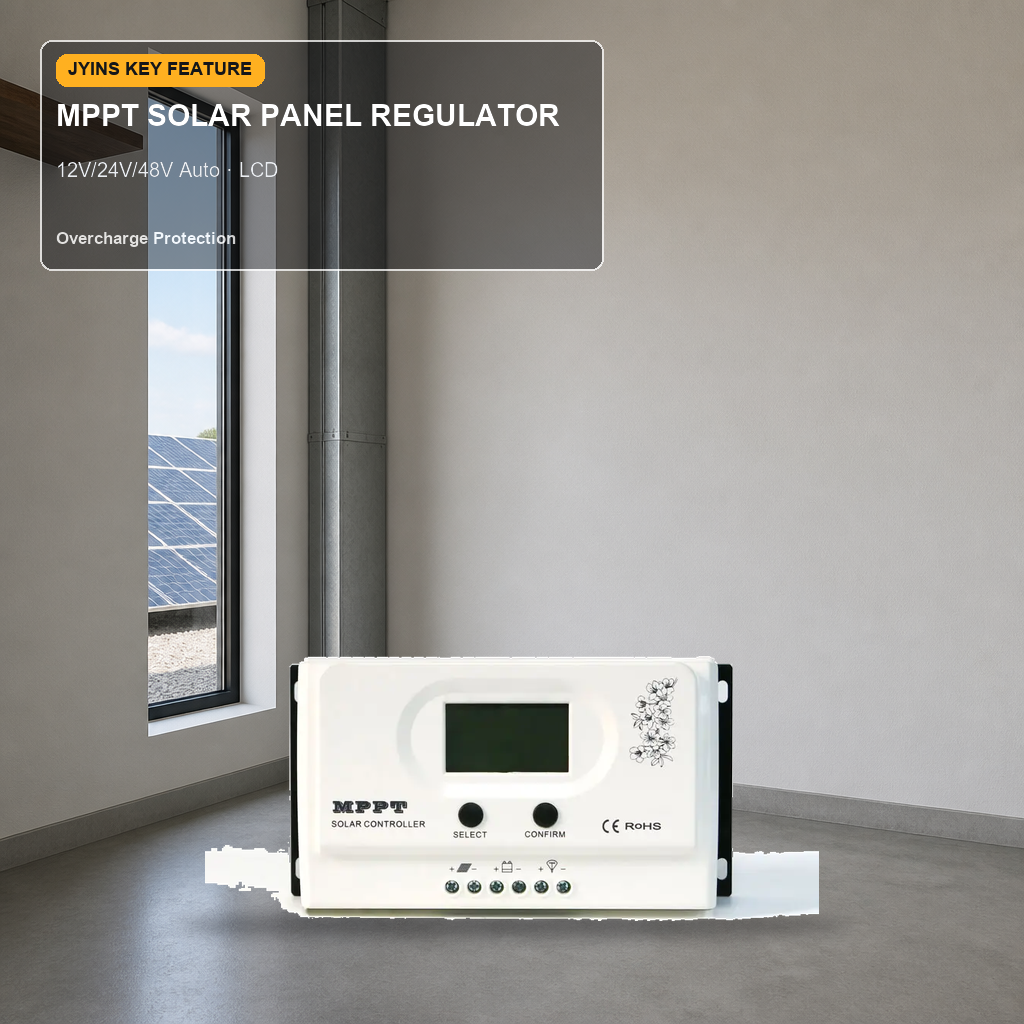
Understanding solar voltage regulators is essential  for effective  solar power management in various applications.  A solar voltage  regulator  safeguards solar  panels and  batteries by controlling the output  voltage, ensuring that batteries are charged correctly  and preventing  overcharging  or deep discharging. For B2B  buyers—such as purchasing managers, engineers, and  distributors—key concerns  include  product reliability, compatibility  with  existing systems, and the ability to meet  specific project requirements. This article aims to help you navigate the  selection process, understand critical specifications, and  identify common challenges associated with solar voltage regulators.
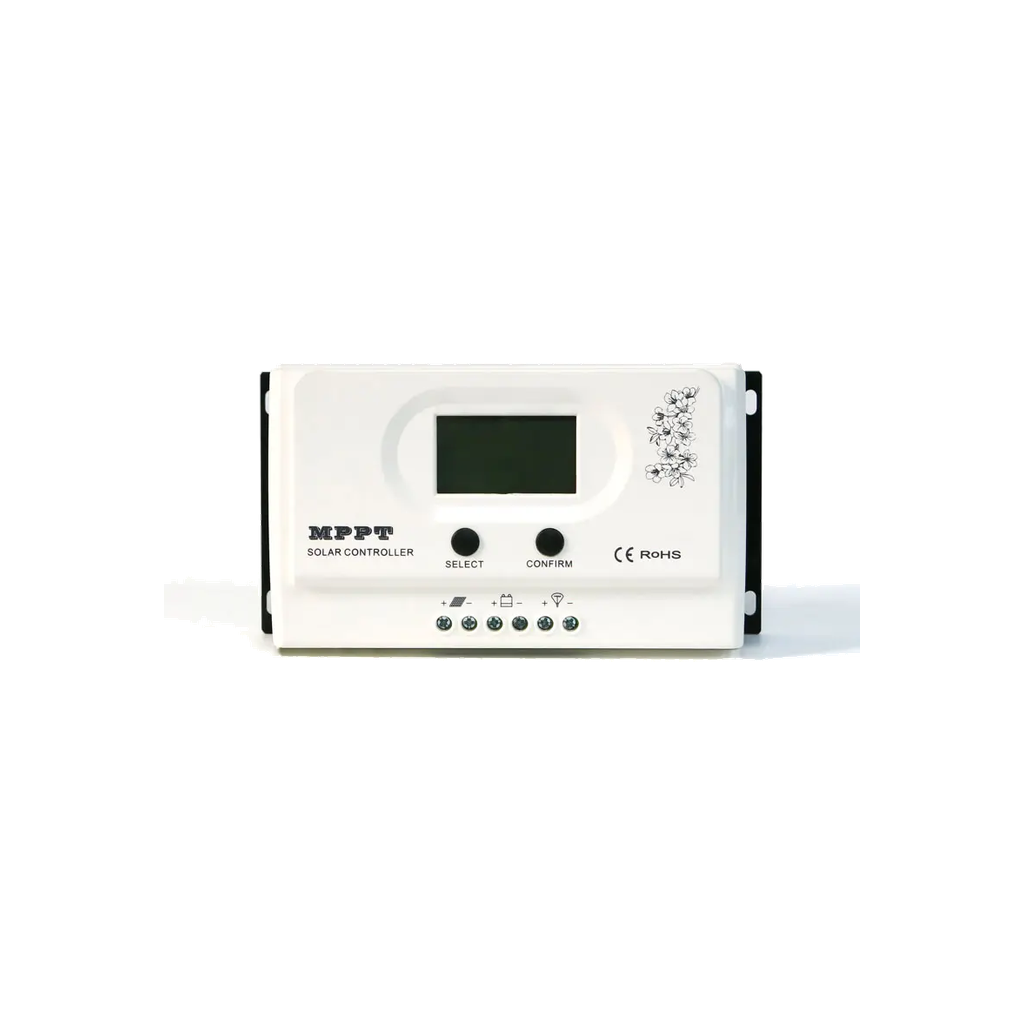
Key Specifications for Wholesale Solar Voltage Regulators Explained

Key Specifications for Wholesale Solar Voltage Regulators Explained

When  evaluating solar voltage regulators, several key specifications should be prioritized:


Voltage  Rating:  Ensure the regulator's voltage rating aligns with your solar panels and battery system. Common ratings include 12V, 24V, and 48V.

Current Rating:  This indicates the  maximum current the  regulator can handle. Calculate  the  total current output of your  solar panels to  select a regulator that can accommodate it without risk of overheating or failure.

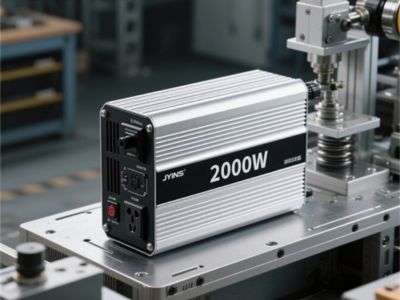
Efficiency: High-efficiency regulators minimize  energy loss during the charging process. Look for models with efficiency ratings above 90%. Consider also using a Pure Sine Wave Inverter to improve overall energy management.

Temperature Range: Know the operational  temperature range of the regulator, especially if  it will be installed in extreme conditions. This specification  helps prevent performance  issues and ensures durability.

Protection Features: Over-voltage, over-current, and short-circuit protection are critical features that  safeguard both the  regulator  and connected components.

Understanding these specifications allows you  to make informed decisions, ensuring compatibility and reliability in your solar energy systems.
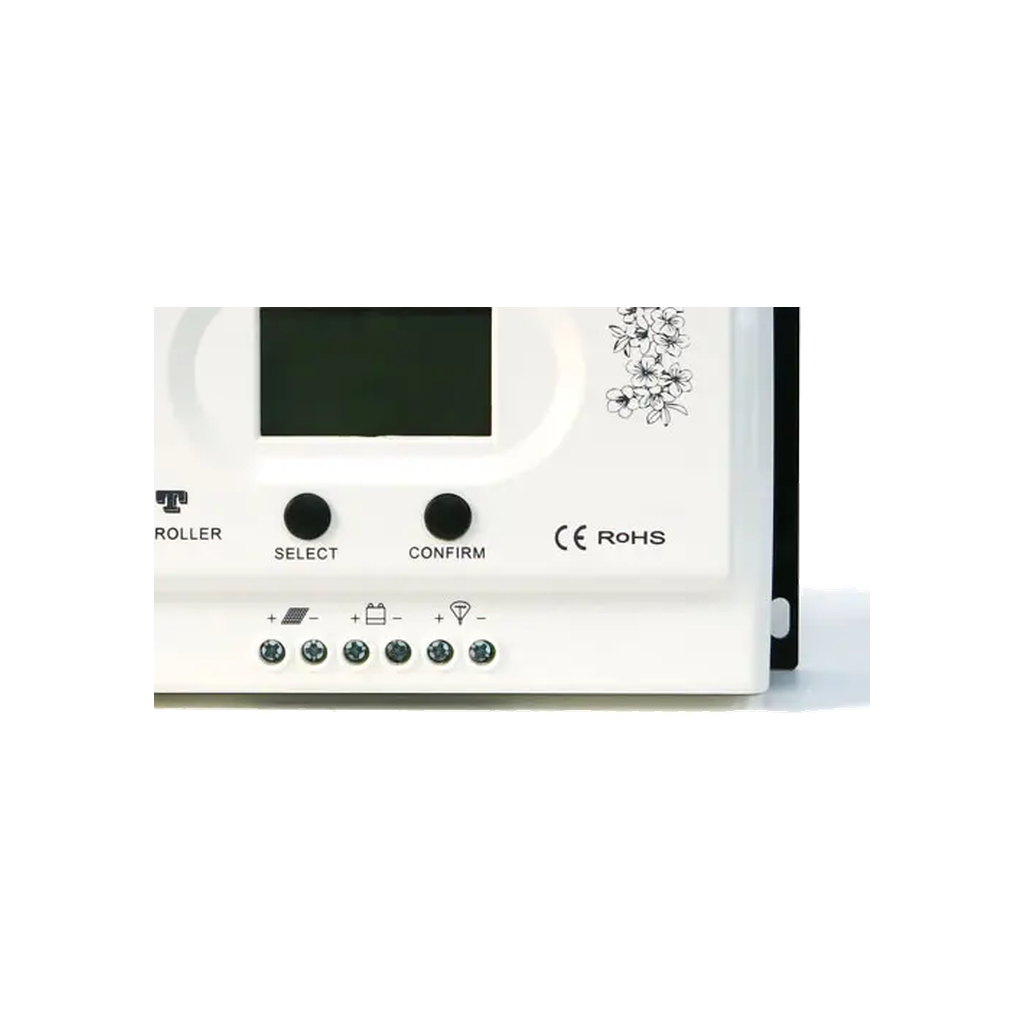
What to Look for in Solar Voltage Regulators

What to Look for in Solar Voltage Regulators

When sourcing  solar voltage regulators, consider the following attributes:

Quality Certifications: Look for regulators that comply with international quality standards, such as ISO9000,  which indicates adherence to quality assurance processes.


Manufacturer  Reputation:  Partnering with well-established manufacturers,  like Zhejiang  Jyins Electrical  Co., LTD, known for their robust quality control and experience in  off-grid solar products, can enhance reliability.

Customization Options: Depending on your project requirements,  you may need regulators with specific features or capabilities. Suppliers that offer customization can better  meet your needs,  whether it’s  adjusting voltage  outputs or adding specific protection features.

After-Sales  Support: Reliable technical support and warranty options are essential. Ensure the supplier provides sufficient resources to  assist with installation,  troubleshooting, and potential repairs.

Focusing on these  aspects can  lead to a more successful integration of  solar voltage regulators into your projects.

Why Buy Solar Voltage Regulators in Bulk?

Why Buy Solar Voltage Regulators in Bulk?

Purchasing solar voltage regulators in  bulk can yield several advantages for businesses:

Cost Savings:  Bulk orders typically  come with  discounts, reducing the unit  price. This can significantly lower project costs, especially for large-scale installations.

Consistent  Supply: Buying in bulk ensures a steady  supply of regulators, minimizing  the risk  of delays in  project timelines due  to stock  shortages.

Quality Control: When ordering in larger quantities, you  can work  closely with manufacturers to establish quality control measures, ensuring that  all units meet your specifications.

Negotiation  Leverage: Bulk purchasing can provide leverage in negotiations with suppliers, potentially securing more favorable terms or  additional  services.

By considering bulk  purchases, businesses can enhance their operational efficiency and overall  project profitability.

Common Problems with Solar Voltage Regulators and Their Solutions

Solar voltage regulators, while generally reliable, can encounter several common issues. Understanding these problems can help you devise  effective solutions:

Overcharging: This can occur if the regulator is  not correctly matched  to the battery  type. Ensure compatibility by selecting a regulator designed  for  your specific battery chemistry. Implementing a regulator with built-in protection features can  prevent  overcharging.

Insufficient Voltage Regulation: If the output voltage fluctuates significantly, this may indicate a malfunctioning  regulator. Regularly inspect the regulator and consider replacing it if performance  issues persist.

Heat Build-Up: Excessive heat can damage the regulator and connected components. Ensure adequate ventilation in the  installation area and select regulators with thermal protection features.

Poor Connections: Loose or corroded connections  can lead to performance issues. Regular  maintenance checks can help identify and rectify bad connections  early.


Incompatibility with Solar Panels: Always ensure that the regulator is compatible with the specifications of your solar  panels.  Mismatched components can  lead to system inefficiencies or failures.

By proactively addressing  these issues, manufacturers and installers can enhance the longevity and efficiency of solar power systems,  maximizing their return on investment.

How to Choose the Right Solar Voltage Regulator for Your Projec

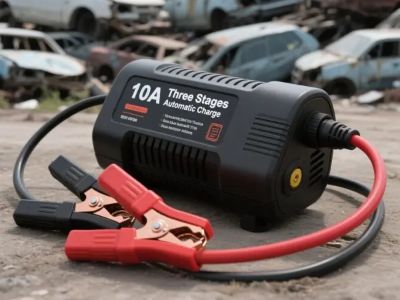
Selecting the  appropriate solar voltage  regulator involves several critical considerations. First, assess your solar panel's  voltage and current output to  determine the regulator's capacity. It's crucial to match the regulator's specifications  with  the solar panel's characteristics to ensure  optimal performance. Additionally,  consider the type  of battery being  used; different batteries (e.g., lead-acid, lithium-ion) have unique charging  requirements. For instance, using a Battery Charger can be beneficial in managing these charging needs.

Next, evaluate  the  environmental  conditions where the regulator will be installed. For  outdoor  applications, choose a regulator with an IP  rating suitable  for weather resistance. Lastly, consider features such as MPPT (Maximum Power Point Tracking) technology, which can optimize energy capture from solar  panels,  enhancing overall system efficiency.

Our Blog Posts

How to Match Inverter Power Rating with Inductive Load Requirements

08

Apr

How to Match Inverter Power Rating with Inductive Load Requirements

Choosing the right inverter for your inductive load is very important thing. Inductive load mean stuff with coils like motors or transformers, they need extra power at starting time. This extra power call starting current or inrush current. If your i...
View More
Bulk Sourcing Benefits for Universal Smart Charger Units

15

May

Bulk Sourcing Benefits for Universal Smart Charger Units

When it comes to smart chargers, Jyins is certainly very distinguished in the industry. Smart chargers is devices that charge phones and tablets quick and safe. Bulk sourcing mean buy lots of these at once. It a smart move for businesses because save...
View More
Vetting the 'Island Detection' safety logic for EU-wide distributed energy resource (DER) standards.

24

Jun

Vetting the 'Island Detection' safety logic for EU-wide distributed energy resource (DER) standards.

The Imperative of Anti-Islanding in European Smart Grids The European Union is leading the global transition toward distributed energy resources (DERs), integrating massive capacities of solar photovoltaics and battery storage systems into the low an...
View More
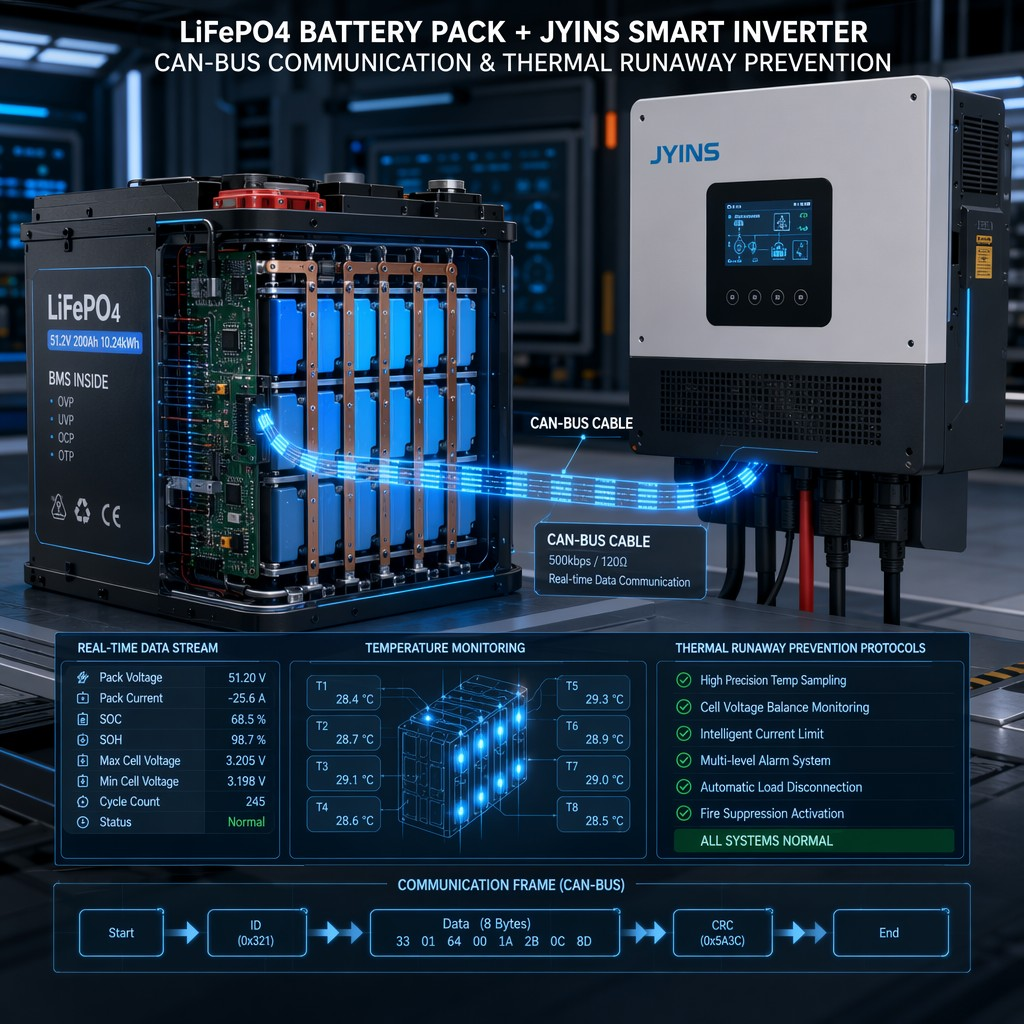
Managing LiFePO4 Battery Pack Thermal Runaway Prevention Through a Smart Inverter and BMS Protocol Handshake

10

Sep

Managing LiFePO4 Battery Pack Thermal Runaway Prevention Through a Smart Inverter and BMS Protocol Handshake

Q: What are the key steps in managing LiFePO4 battery pack thermal runaway prevention through a smart inverter and BMS protocol handshake? A: As lithium iron phosphate (LiFePO4) batteries are widely adopted in B2B energy storage projects, battery saf...
View More

Get a Free Quote

Our representative will contact you soon.
Email
Mobile
Name
Company Name
Products of Interest
Message
0/1000
Choosing the Right Solar Voltage Regulator

Get a Free Quote

Our representative will contact you soon.
Email
Mobile
Name
Company Name
Products of Interest
Message
0/1000