Choosing the Right Pure Sine Wave Inverter

Get a Free Quote

Our representative will contact you soon.
Email
Mobile
Name
Company Name
Products of Interest
Message
0/1000

pure sine wave inverter with battery charger

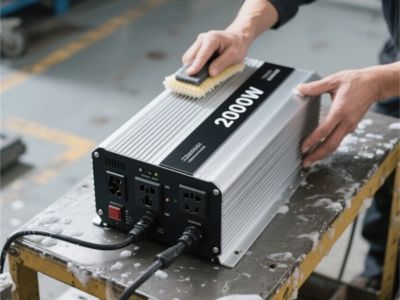
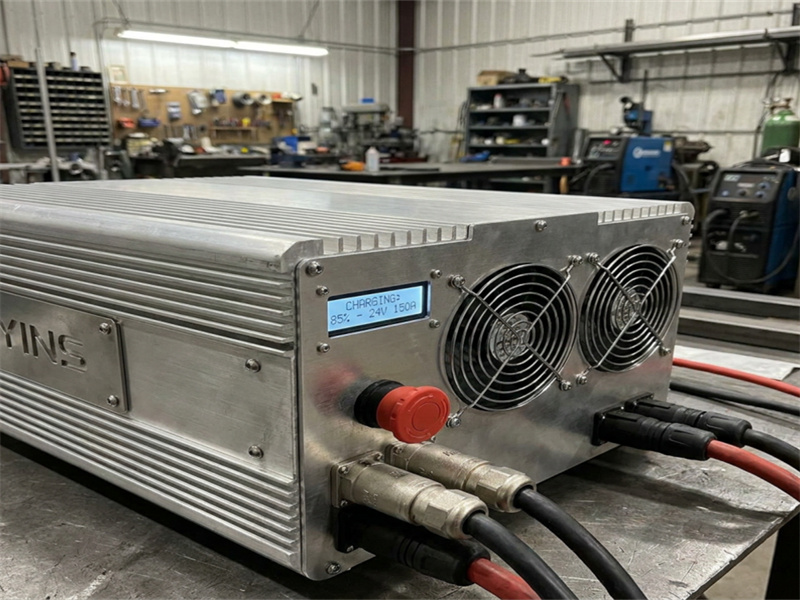
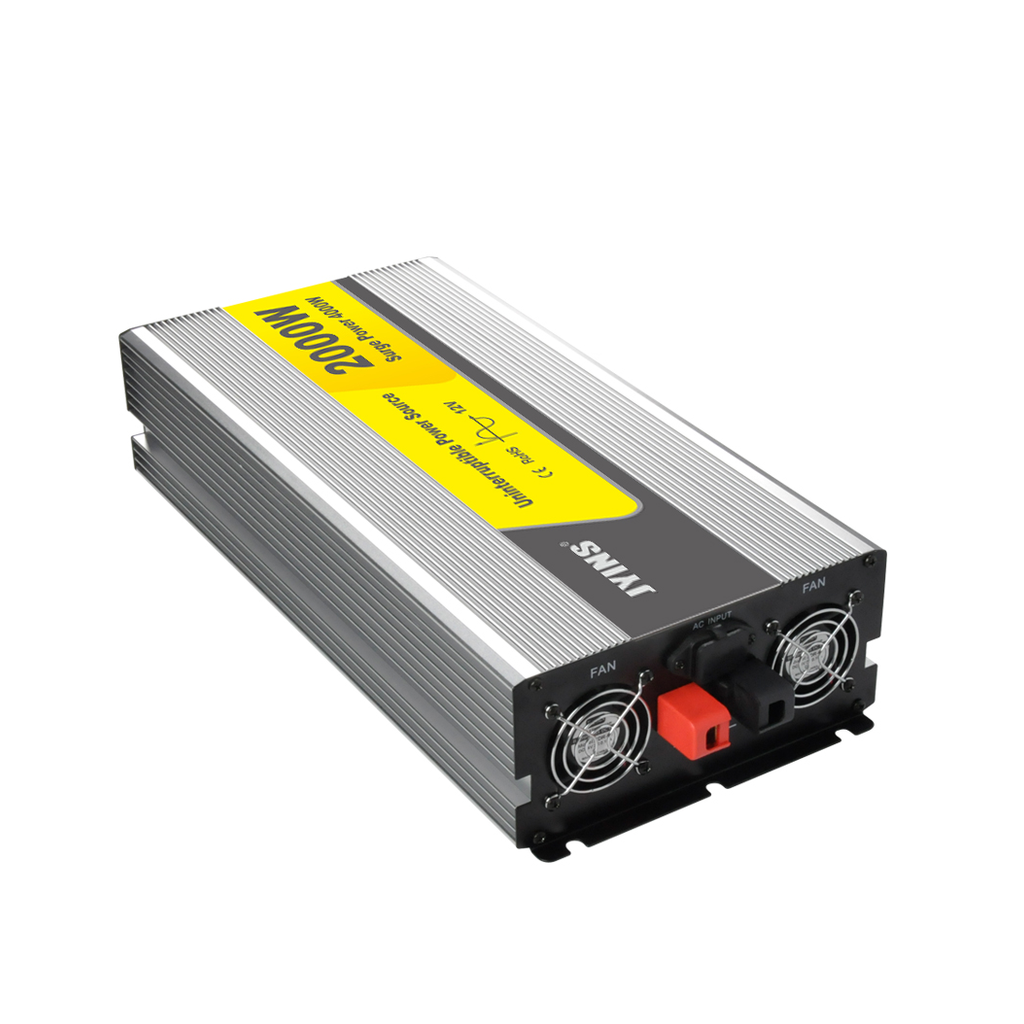
A pure sine  wave inverter with battery  charger is an essential component  for businesses  looking to harness solar energy  efficiently. It not only converts DC power generated from  solar panels  into usable AC  power but also integrates a battery charging  function  to ensure a  reliable energy  supply. For B2B  buyers, key concerns include product specifications, quality assurance, and application suitability. This article will  guide  you through choosing the right  inverter, understanding cost factors, finding  reliable suppliers, evaluating quality, and exploring  various industrial applications of pure sine wave  inverters.
Understanding the Cost Factors of Pure Sine Wave Inverters

Understanding the Cost Factors of Pure Sine Wave Inverters

The cost of pure  sine wave inverters varies based on several factors:

Power Rating: Higher-capacity inverters  typically command higher prices due to the increased complexity in design and manufacturing.

Brand Reputation  and  Quality: Well-established brands like Zhejiang Jyins  Electrical Co., LTD often  provide superior quality assurance and longer warranties, which can  justify a higher cost compared to lesser-known brands.

Features: Inverters with advanced features such as  remote monitoring, integrated battery management systems, or superior thermal  management  will  usually cost more.

Material and Manufacturing Standards: Inverters that adhere  to  international  standards, such as ISO9000, may have higher production costs but offer  better reliability and performance. Ensure that you discuss quality certifications when requesting quotes.

Market Demand and  Supply  Chain Factors: Fluctuations  in demand for solar products and changes in supply chain dynamics can also affect pricing. Buyers should stay informed about market trends  to negotiate better deals.

Understanding these cost factors will help you budget effectively and make informed purchasing decisions.
Where to Find Reliable Suppliers for Pure Sine Wave Inverters

Where to Find Reliable Suppliers for Pure Sine Wave Inverters

Finding a reliable supplier for pure sine wave inverters is crucial  for ensuring product quality and performance. Here are strategies  to identify trustworthy  manufacturers:

Industry Research:  Start  by researching manufacturers that specialize in solar and power  electronics. Companies like Zhejiang Jyins Electrical Co., LTD, known for  high-quality off-grid solar products, can be a good starting point.

Trade  Shows and  Exhibitions: Attend industry trade shows and exhibitions  to meet suppliers  in person, allowing for direct discussions about product capabilities and certifications.

Online Marketplaces: Use B2B platforms like Alibaba or Global Sources, where you can read  reviews and feedback from other buyers. Look for suppliers with verified trade assurance.

Networking: Connect with industry professionals through  forums,  LinkedIn groups, and associations. Recommendations from peers can  lead you to reputable suppliers.

Request Samples: Before committing to large orders, request  samples to evaluate product quality firsthand. This  practice helps verify manufacturer  claims  regarding performance and reliability.

By employing these strategies, you can identify suppliers who meet your quality and service expectations.

Evaluating the Quality of Pure Sine Wave Inverters and Chargers

Evaluating the Quality of Pure Sine Wave Inverters and Chargers

Quality evaluation of pure sine wave inverters should focus on multiple aspects:

Certifications: Confirm that the inverter has necessary certifications, such as CE, UL, or ISO9000 compliance, which indicate  adherence to safety and  performance standards.

Warranty and Support: A good warranty  period reflects the manufacturer's confidence in their product. Look for warranties that cover  both parts and  labor,  ensuring you have support in  case of defects.

Material  Specifications:  Investigate the materials used in the inverter's construction, including the quality  of electronic components. High-quality capacitors and circuit boards  can significantly affect performance and longevity.

Performance Testing: Request data on performance  testing under real-world conditions. This  includes  efficiency ratings, heat dissipation performance, and  load handling capabilities.

Customer Feedback:  Look for reviews  and testimonials from other customers. Positive feedback regarding reliability and customer service can indicate a trustworthy supplier.

By conducting thorough evaluations,  buyers can ensure they select high-quality inverters that meet their operational demands.

Applications of Pure Sine Wave Inverters in Various Industries

Pure sine wave inverters with battery chargers  have diverse applications across multiple industries:

Renewable  Energy Systems: Widely used in  solar  power systems, these inverters convert solar  energy into usable  AC power for residential and commercial applications. For example, the Solar Inverter is specifically designed for such applications.

Telecommunications: In remote locations, pure sine wave inverters provide backup power for telecommunications equipment, ensuring  continuous operation during outages.

Manufacturing: Factories that rely on sensitive machinery  benefit from pure sine wave output, which  prevents damage and operational interruptions.

Healthcare:  Medical equipment that requires stable power sources, such as imaging devices and ventilators, relies on  pure sine wave inverters for safe and effective  operation.

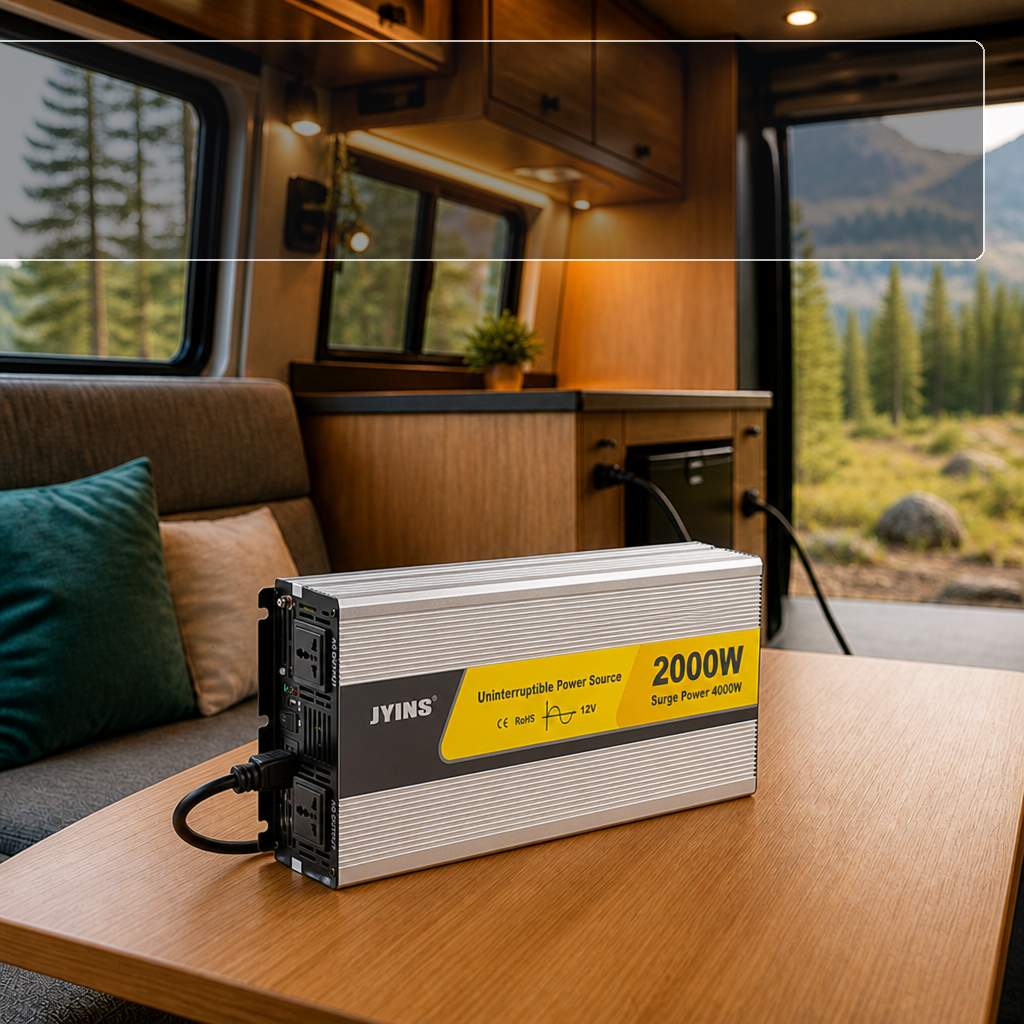
Recreational Vehicles (RVs)  and Marine Applications: Inverters are essential for powering appliances in RVs and boats,  providing the  necessary power quality for sensitive electronics.

By  understanding these  applications, buyers can better assess their specific needs and select suitable  inverters that  enhance operational  efficiency.

How to Choose the Right Pure Sine Wave Inverter for Your Needs

Selecting the right pure sine wave inverter with battery charger begins with understanding your specific requirements. Consider the following factors:

Power Capacity: Determine the total wattage of the devices  you plan to power. Inverters are available in various capacities, typically ranging from 300 watts  to several thousand watts. Ensure the inverter can handle your  peak load, which is often higher than the average  consumption.

Input Voltage: Most solar setups use either  12V or  24V systems.  Ensure that the inverter matches your battery bank voltage to  maximize efficiency and  compatibility.

Waveform Output: Pure sine  wave inverters produce a  smooth,  consistent power output similar to grid electricity, making them suitable for sensitive electronics. If your applications include computers or medical  devices, a pure sine wave output is essential.

Battery Compatibility: Ensure the inverter's battery charger is compatible with  your battery  type, whether lead-acid, lithium-ion, or others. This compatibility affects charging efficiency and battery lifespan. For instance, if you're considering a lithium-ion battery, you might explore options like the Hisolar PEP-S1500 Portable Power Station for enhanced performance.

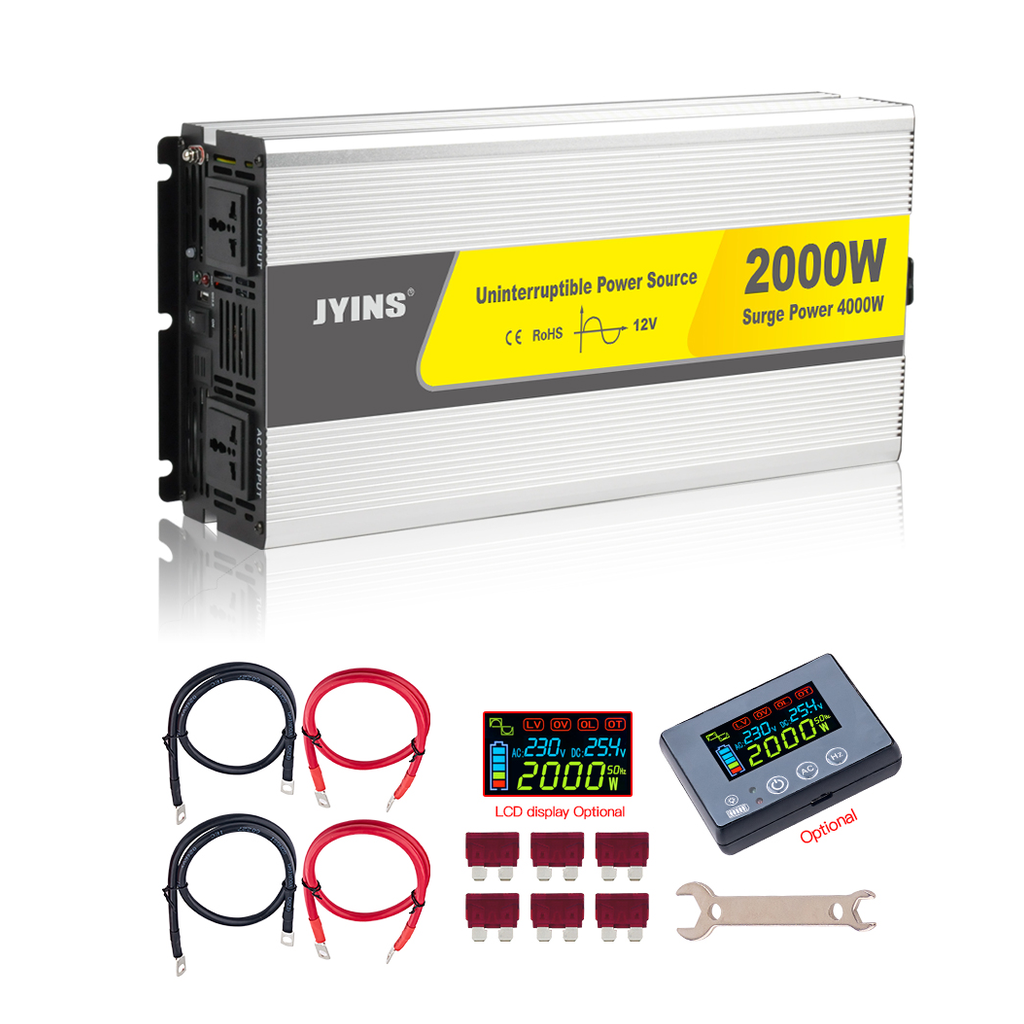
Features and Controls: Look for additional features such as LCD displays for monitoring performance, automatic  restart functions, and protections against overloads, short circuits, and over-temperature conditions.

By carefully  assessing these elements,  buyers can  choose an inverter tailored to their operational needs, ensuring  longevity and reliability in energy supply.

Our Blog Posts

The Impact of Waveform Quality in Power frequency inverters

14

May

The Impact of Waveform Quality in Power frequency inverters

Waveform quality in power frequency inverters are important topic for anyone who into how electricity get made and used. Inverters change DC to AC, and this need because most appliances run on AC power. The waveform they make can affect devices alot,...
View More
The Role of Bidirectional inverter PCB boards in EV Charging Stations

14

May

The Role of Bidirectional inverter PCB boards in EV Charging Stations

Bidirectonal inverter PCB boards plays a big role in electric vehicle (EV) charging stations. They handle how energy move between the station and EV. This mean they send power to EV when charging, and they can send power back to grid from EV too. Thi...
View More
The Industrial Buyer’s Guide to Battery Charger Material Science: Heat Dissipation, Longevity, and Safety

15

May

The Industrial Buyer’s Guide to Battery Charger Material Science: Heat Dissipation, Longevity, and Safety

Introduction: Why Material Science is the Unsung Hero of Power Electronics When industrial procurement teams evaluate battery chargers, the discussion typically centers on electrical specifications: voltage, amperage, and charging algorithms. While t...
View More
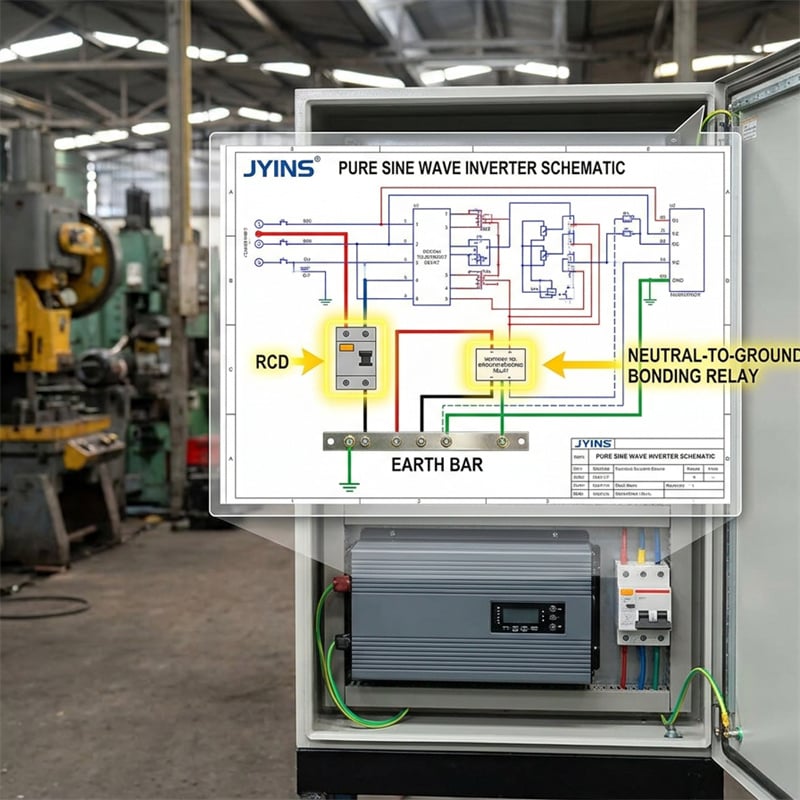
Why is Neutral-to-Ground Bonding often the hidden cause of RCD tripping in off-grid workshops?

25

Jun

Why is Neutral-to-Ground Bonding often the hidden cause of RCD tripping in off-grid workshops?

Introduction to Off-Grid Electrical Grounding In standard grid-connected buildings, electrical grounding and safety protection are managed by the utility provider and strict local building codes. Safety devices like Residual Current Devices (RCDs) or...
View More

Get a Free Quote

Our representative will contact you soon.
Email
Mobile
Name
Company Name
Products of Interest
Message
0/1000
Choosing the Right Pure Sine Wave Inverter

Get a Free Quote

Our representative will contact you soon.
Email
Mobile
Name
Company Name
Products of Interest
Message
0/1000