EN


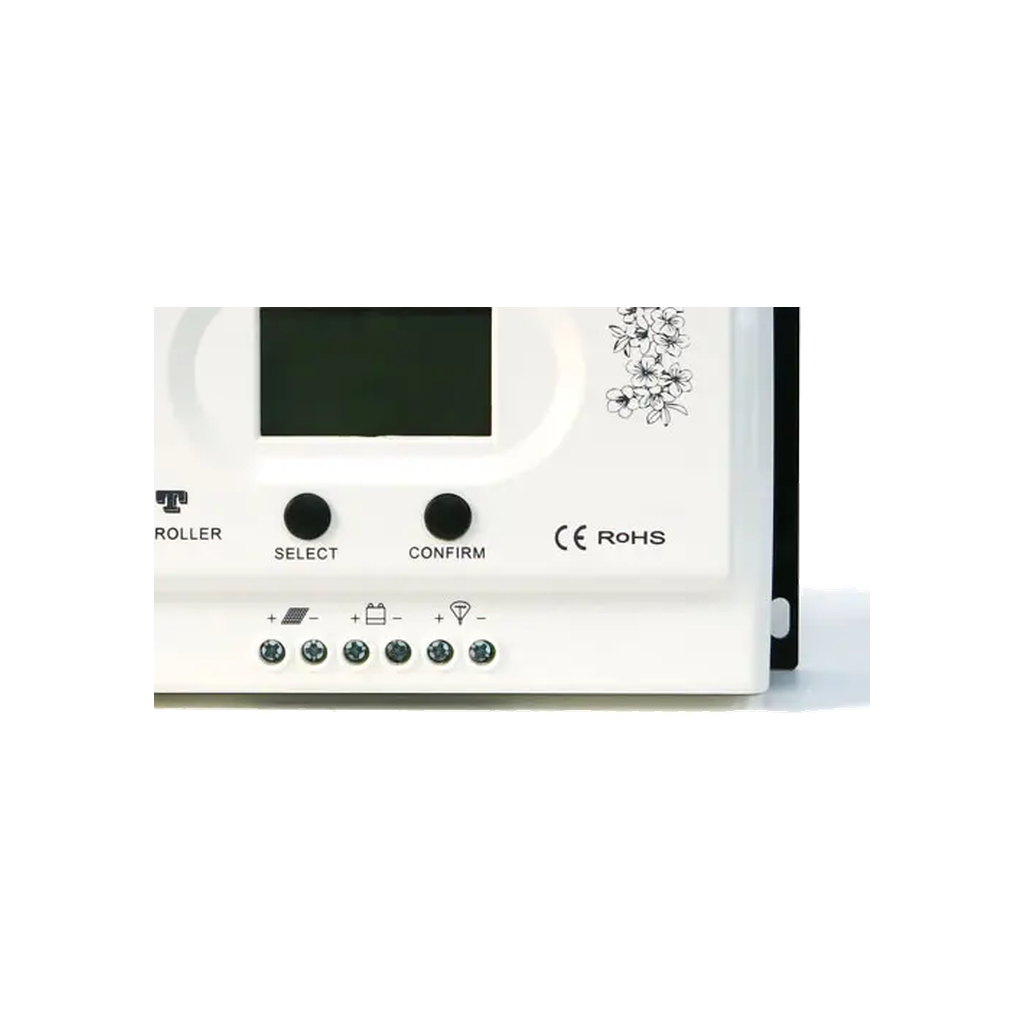
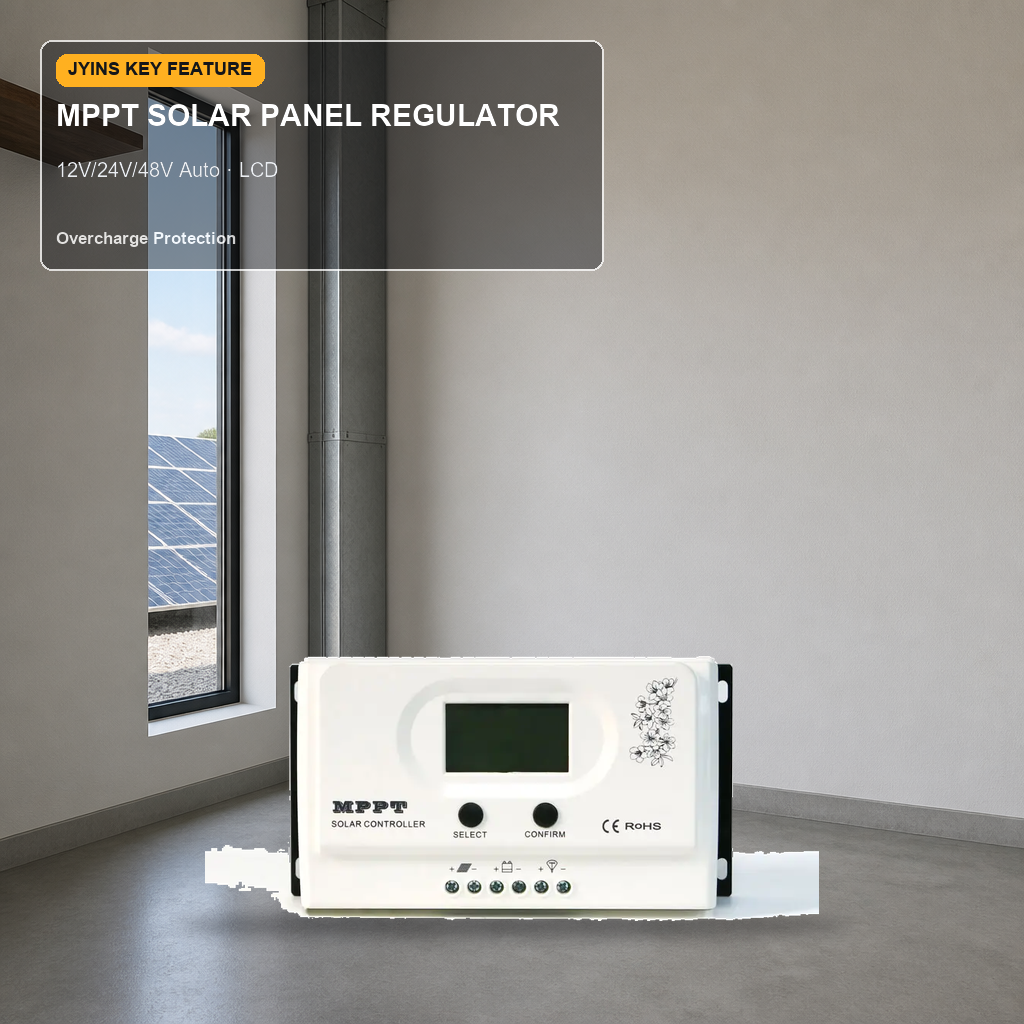
Understanding solar voltage regulators is essential for effective solar power management in various applications. A solar voltage regulator safeguards solar panels and batteries by controlling the output voltage, ensuring that batteries are charged correctly and preventing overcharging or deep discharging. For B2B buyers—such as purchasing managers, engineers, and distributors—key concerns include product reliability, compatibility with existing systems, and the ability to meet specific project requirements. This article aims to help you navigate the selection process, understand critical specifications, and identify common challenges associated with solar voltage regulators.
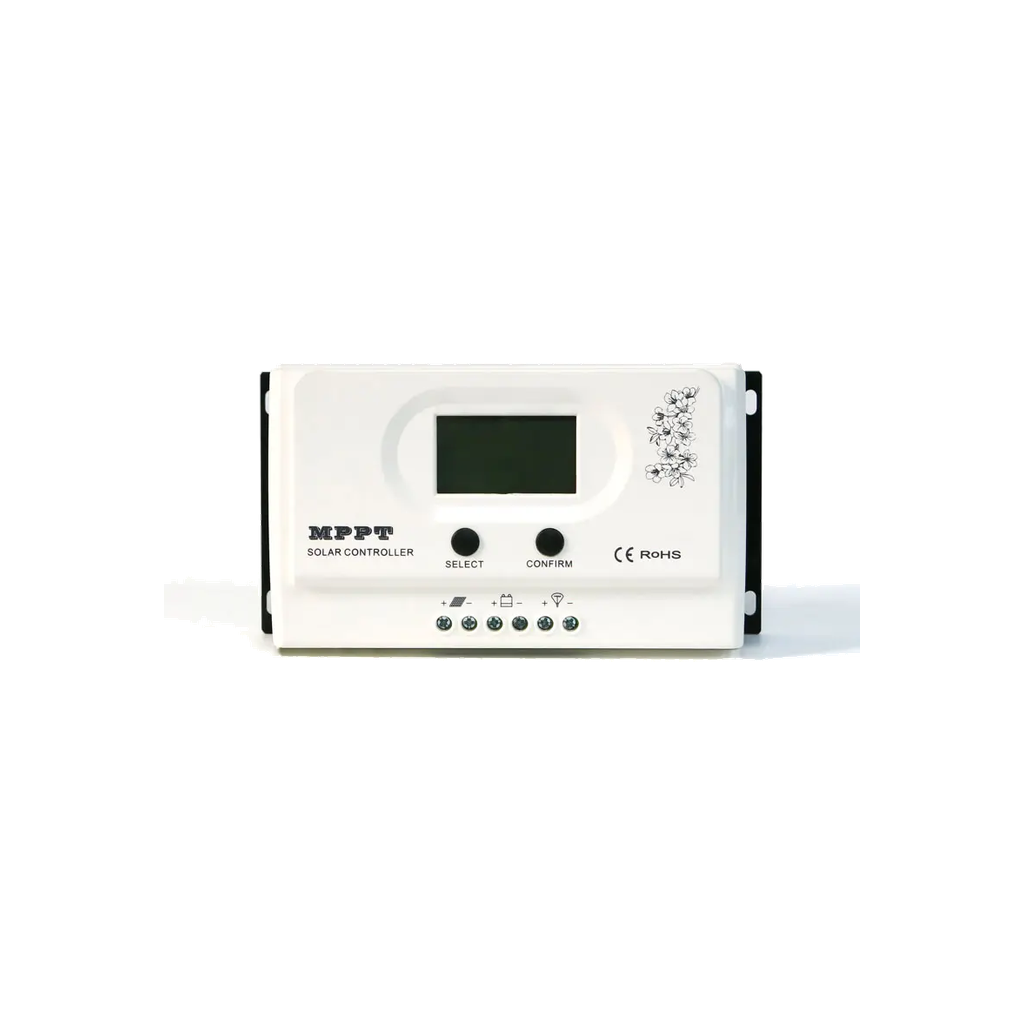
Key Specifications for Wholesale Solar Voltage Regulators Explained
When evaluating solar voltage regulators, several key specifications should be prioritized:
Voltage Rating: Ensure the regulator's voltage rating aligns with your solar panels and battery system. Common ratings include 12V, 24V, and 48V.
Current Rating: This indicates the maximum current the regulator can handle. Calculate the total current output of your solar panels to select a regulator that can accommodate it without risk of overheating or failure.
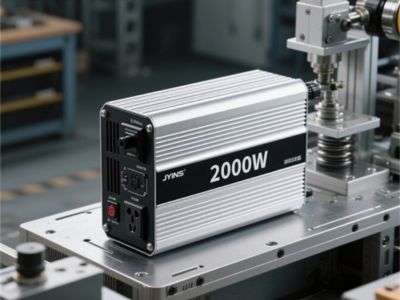
Efficiency: High-efficiency regulators minimize energy loss during the charging process. Look for models with efficiency ratings above 90%. Consider also using a Pure Sine Wave Inverter to improve overall energy management.
Temperature Range: Know the operational temperature range of the regulator, especially if it will be installed in extreme conditions. This specification helps prevent performance issues and ensures durability.
Protection Features: Over-voltage, over-current, and short-circuit protection are critical features that safeguard both the regulator and connected components.
Understanding these specifications allows you to make informed decisions, ensuring compatibility and reliability in your solar energy systems.