Choosing the Right Modified Sine Wave Inverter Charger

Get a Free Quote

Our representative will contact you soon.
Email
Mobile
Name
Company Name
Products of Interest
Message
0/1000

modified sine wave inverter charger

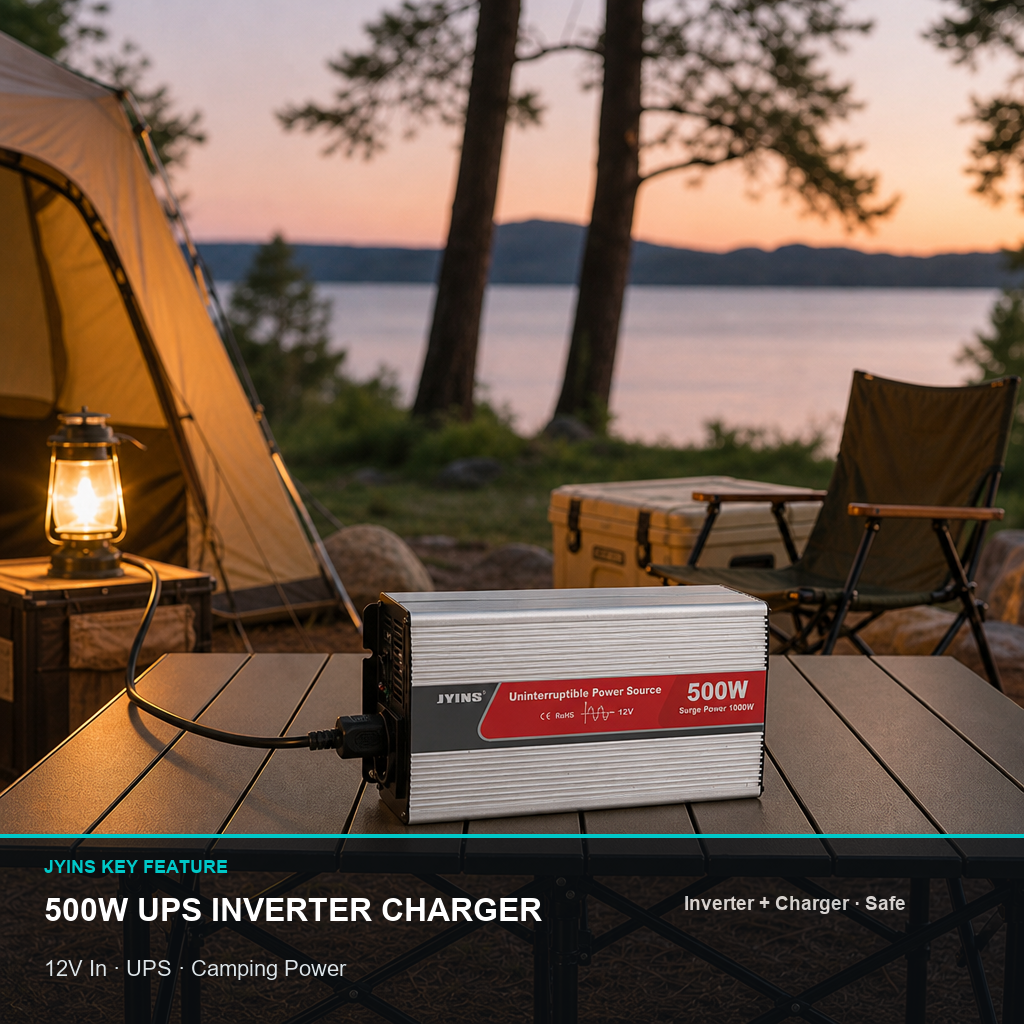
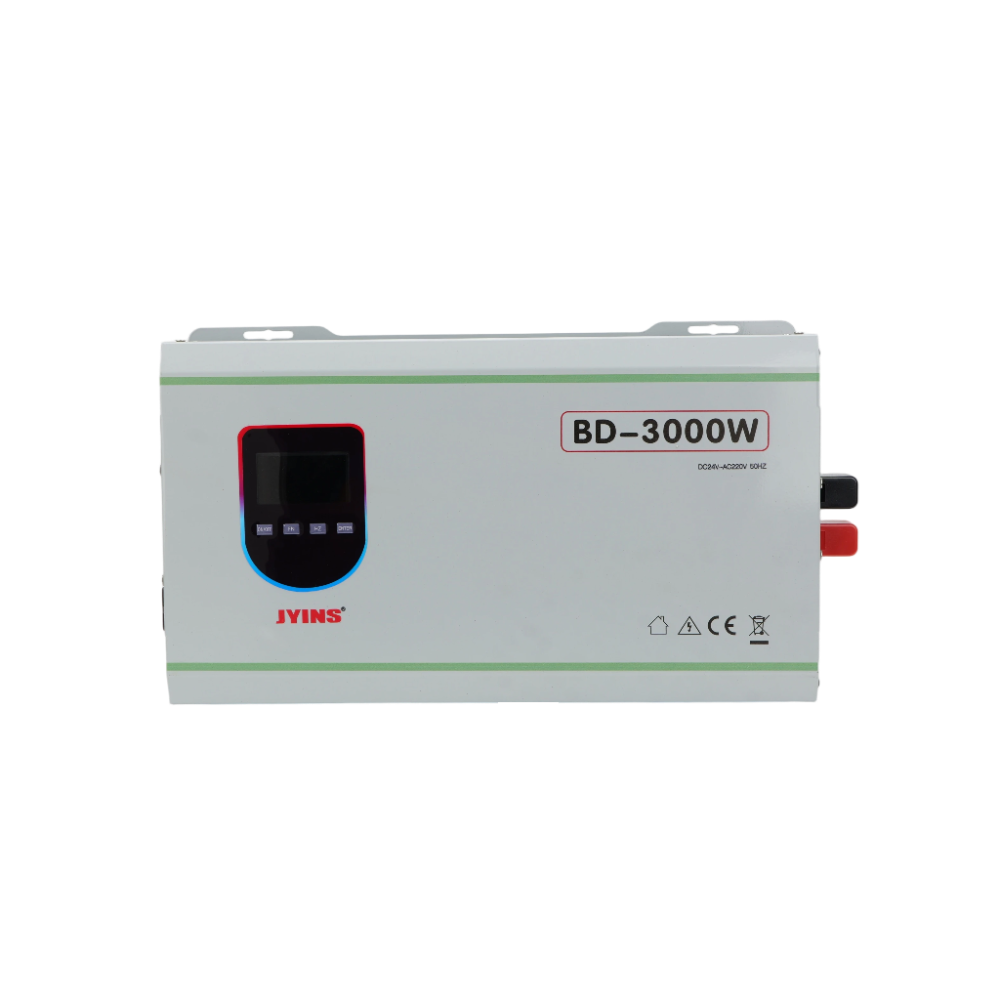
Modified sine wave inverter chargers are essential  components in  off-grid solar systems, providing a reliable source of power by  converting  DC (direct  current) into  AC (alternating current).  For B2B  buyers, such as purchasing managers, distributors,  and engineers, the selection of the  right  inverter charger is  critical,  as it  impacts system performance, efficiency, and overall project success. This article aims to guide you through the  selection process,  sourcing options, cost  considerations, installation  insights, and technical  expertise related  to modified sine wave inverter chargers.
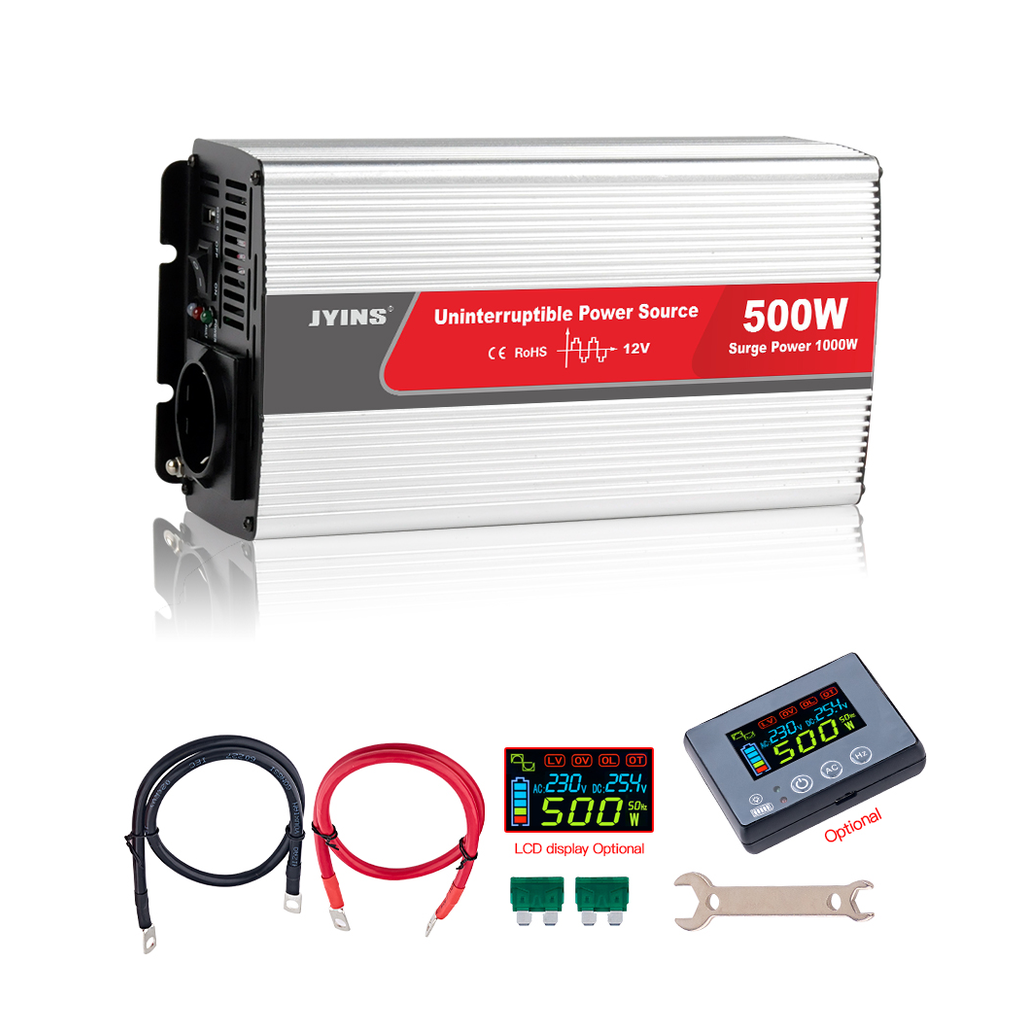
Where to Source Reliable Wholesale Modified Sine Wave Inverter Chargers

Where to Source Reliable Wholesale Modified Sine Wave Inverter Chargers

Finding a dependable  supplier for modified sine wave inverter chargers  can significantly  impact your project’s success and your bottom line. Key sourcing strategies  include:

Established Manufacturers: Partner with reputable manufacturers such as Zhejiang Jyins Electrical Co., Ltd.  With over 30  years of experience in off-grid solar products and adherence to  international ISO9000 standards, they offer quality assurance and optimized  production processes.

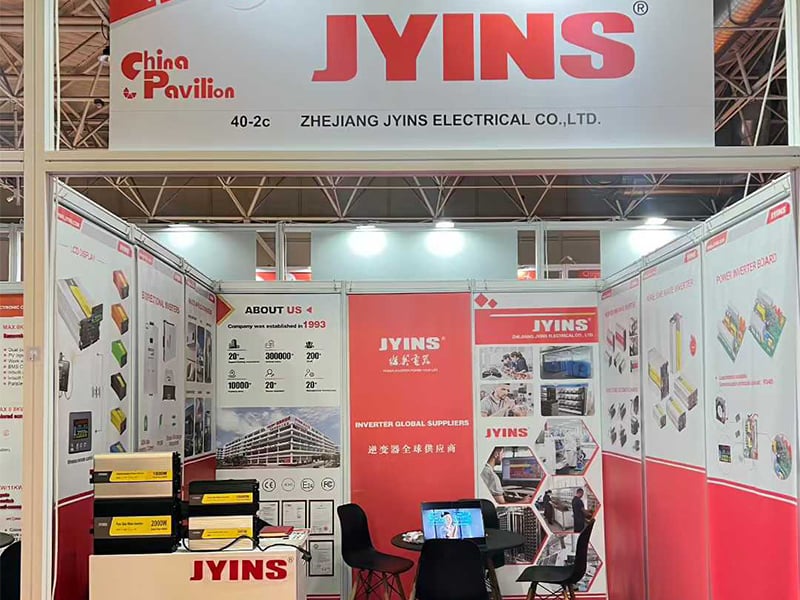
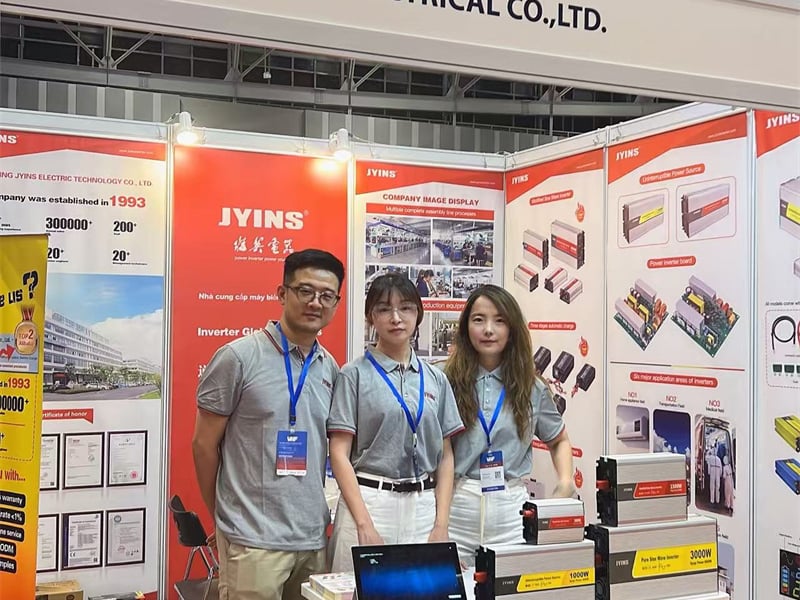
Trade Shows  and Industry Events: Attend trade  shows to meet suppliers, view products  firsthand, and negotiate bulk purchasing options.  This face-to-face interaction can lead to better relationships and more favorable terms.

Online  Marketplaces: Utilize B2B platforms that specialize in industrial  products. Look for suppliers with high ratings and positive  reviews to ensure  reliability.

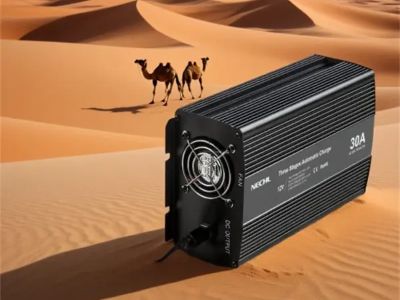
Local Distributors: Consider working with  local distributors that can provide faster delivery  times and support services, which can be crucial for project timelines. For instance, a reliable Battery Charger can enhance your system's overall performance.

When sourcing, ensure to evaluate suppliers based on their production  capabilities, product range, and customer service to  establish a long-term partnership.
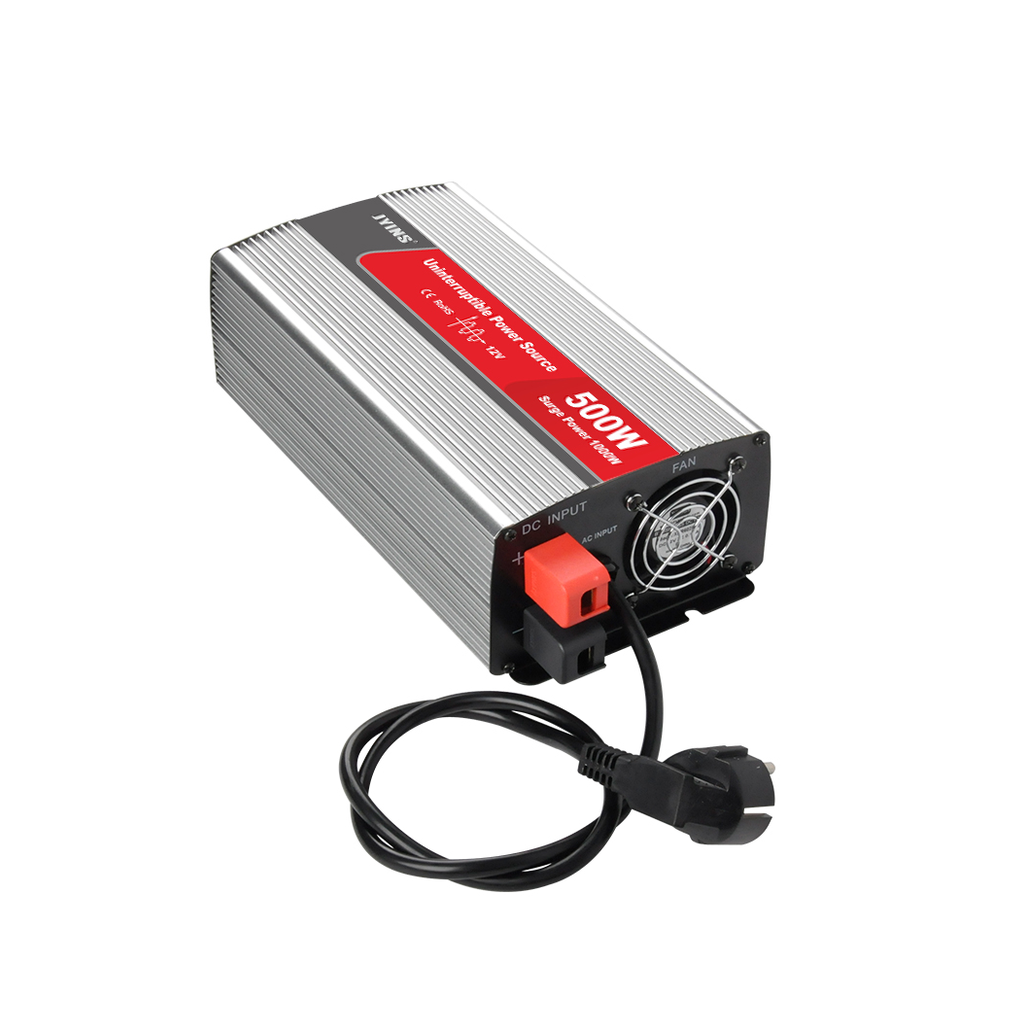
Understanding the Cost Factors of Modified Sine Wave Inverter Chargers

Understanding the Cost Factors of Modified Sine Wave Inverter Chargers

The price of modified sine wave inverter chargers  is influenced by several factors that buyers  should consider:


Specifications: Higher power ratings and advanced  features, such as built-in protections against overvoltage or short circuits, typically increase  costs.  For example, inverters with higher efficiency ratings may carry a premium but offer cost savings in energy consumption over  time.

Material and Build Quality: The materials used in the inverter's  construction affect  both durability  and cost. High-quality components lead to longer-lasting products but can also  raise the initial investment.

Customization Requirements:  If you  require specific modifications or branding on the product, expect additional costs. Custom solutions may involve  longer lead times and higher prices due to  the tailored production process.


Order Volume: Bulk orders often come with discounts. Understanding the minimum order quantity  (MOQ) and negotiating terms based on projected usage can lead to  better pricing.

Market Trends: Stay informed about fluctuations in raw material prices, which  can affect manufacturing costs and, consequently, the pricing of inverter chargers.

By understanding these cost factors, buyers can make  informed decisions and budget effectively for their projects.

Installation Guidance for Modified Sine Wave Inverter Chargers in Projects

Installation Guidance for Modified Sine Wave Inverter Chargers in Projects

Proper installation of modified sine wave inverter chargers  is crucial for optimal performance and safety.  Here  are key points to consider:

Location: Install the inverter in a well-ventilated area to prevent overheating. Avoid placing it in direct  sunlight or damp  environments, as this can degrade performance  and lifespan.

Wiring and Connections: Use appropriately  rated wires to handle the inverter's output current. Ensure all connections are  secure and properly insulated to minimize the risk of  electrical faults.

Integration with Other Components: Confirm compatibility with other system  components, including batteries and solar panels. For  instance, the inverter should match the voltage and current characteristics of the battery bank.

Safety Checks: Implement safety measures, such as circuit breakers and fuses, to  protect  the system from overloads and short circuits. Regularly inspect  connections and components to prevent failures.

Testing: After installation, test the system under load  conditions to ensure it operates correctly.  Monitor for  any  irregularities in power output or heating.

Following these guidelines will help ensure a successful installation and  maximize  the performance of your modified sine wave inverter charger.

Technical Expertise in Manufacturing Modified Sine Wave Inverter Chargers

Manufacturing modified sine wave inverter chargers requires advanced technical expertise and quality control  processes:

Production Equipment: Utilizing state-of-the-art  manufacturing equipment is essential  for ensuring precision in electrical  components. Machines must be regularly calibrated  to maintain accuracy and reduce defects.

Quality Control: Implementing rigorous quality control  measures throughout the production  process helps identify issues early. This includes testing components at various stages and conducting final inspections before shipment.


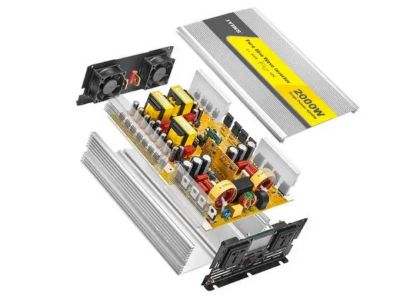
Material  Selection: Choosing high-quality materials is critical for  durability and performance. For example, using premium capacitors  and  transformers can lead to better efficiency and lower failure rates.

Certifications: Ensure the manufacturer adheres  to relevant industry standards and certifications, which can be indicative of product reliability and safety. Compliance  with international standards like  ISO9000 can reinforce trust in the manufacturer's capabilities.

Customization Capabilities: Assess the manufacturer’s ability to provide customized solutions tailored to specific industry needs. This  includes modifications to fit unique applications  or branding requirements.

By  understanding these manufacturing aspects, buyers can better evaluate potential suppliers and ensure they select a partner capable of delivering high-quality  modified sine wave  inverter chargers tailored to their project needs.

Choosing the Right Modified Sine Wave Inverter Charger for Your Needs

When selecting  a modified sine wave inverter charger, consider the specific requirements  of your application. Key factors include the inverter's output power, input voltage compatibility, and the overall system capacity.

Output Power: Assess the total wattage of  the devices  you intend to power. Ensure  the inverter can  handle  peak loads,  which often exceed the average wattage during startup.  For example, if  you plan to power a refrigerator, consider its starting wattage rather than just its running wattage.

Input Voltage Compatibility: Verify the input voltage of  your solar panels or battery bank matches the inverter's specifications. Mismatches can  lead to  inefficiencies or even equipment damage, especially when working with systems that include a Solar Charge Controller.

Efficiency Ratings: Look  for high-efficiency models, as they convert more of the DC power into usable AC power. Higher efficiency  ratings often indicate better performance and lower energy loss.

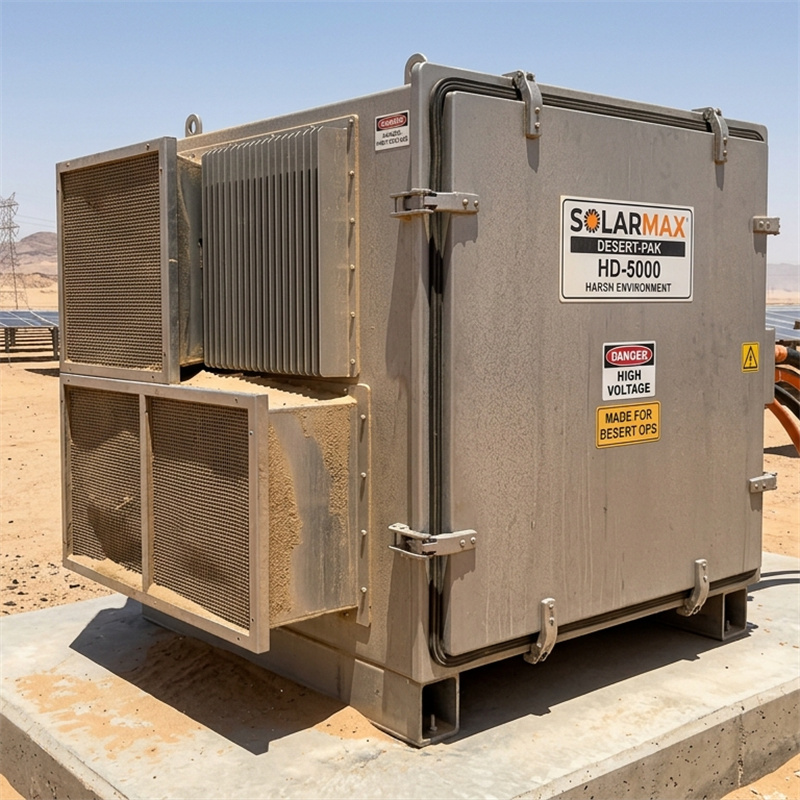
Environmental Considerations: Consider where  the inverter will be installed. Inverters designed for harsher environments may have better cooling systems  or  protective enclosures.


These  considerations will help ensure that the inverter charger meets your operational needs and enhances the reliability of your solar power system.

Our Blog Posts

Comparison of Commercial UPS Performance - Lead-acid versus Lithium-ion

01

Apr

Comparison of Commercial UPS Performance - Lead-acid versus Lithium-ion

Choosing the right uninterruptible power supply (UPS) is really important for businesses. It keep machines going when power cut out. There is two popular battery types for UPS: lead-acid and lithium-ion. Each one got its good points and bad points. A...
View More
Global Standards for Safety and Efficiency in Battery Chargers

07

Apr

Global Standards for Safety and Efficiency in Battery Chargers

Battery chargers is essential for powering devices we use every day. They come in diferent shapes and sizes, but safety and effciency matter most for users. Jyins is a company that make battery chargers meeting global rules. When buyers search for ch...
View More
The impact of Middle Eastern 'Sand-Storm' environments on Inverter Air-Filter and sealing maintenance.

24

Jun

The impact of Middle Eastern 'Sand-Storm' environments on Inverter Air-Filter and sealing maintenance.

The Hostile Solar Environment of the Middle East The Middle East, particularly the Gulf Cooperation Council (GCC) countries such as Saudi Arabia, the United Arab Emirates, Oman, and Qatar, represents one of the world's most attractive regions for uti...
View More
Why Bidirectional DC-DC Converters are the Core of Next-Generation Battery Energy Storage Systems (BESS)

24

Jun

Why Bidirectional DC-DC Converters are the Core of Next-Generation Battery Energy Storage Systems (BESS)

Introduction: The Rapid Scalification of Battery Energy Storage As the global electrical grid transitions toward decentralized renewable energy sources like solar and wind, the need for high-capacity Battery Energy Storage Systems (BESS) has skyrocke...
View More

Get a Free Quote

Our representative will contact you soon.
Email
Mobile
Name
Company Name
Products of Interest
Message
0/1000
Choosing the Right Modified Sine Wave Inverter Charger

Get a Free Quote

Our representative will contact you soon.
Email
Mobile
Name
Company Name
Products of Interest
Message
0/1000