EN
EN


The Decentralization of Energy in Modern B2B Parks
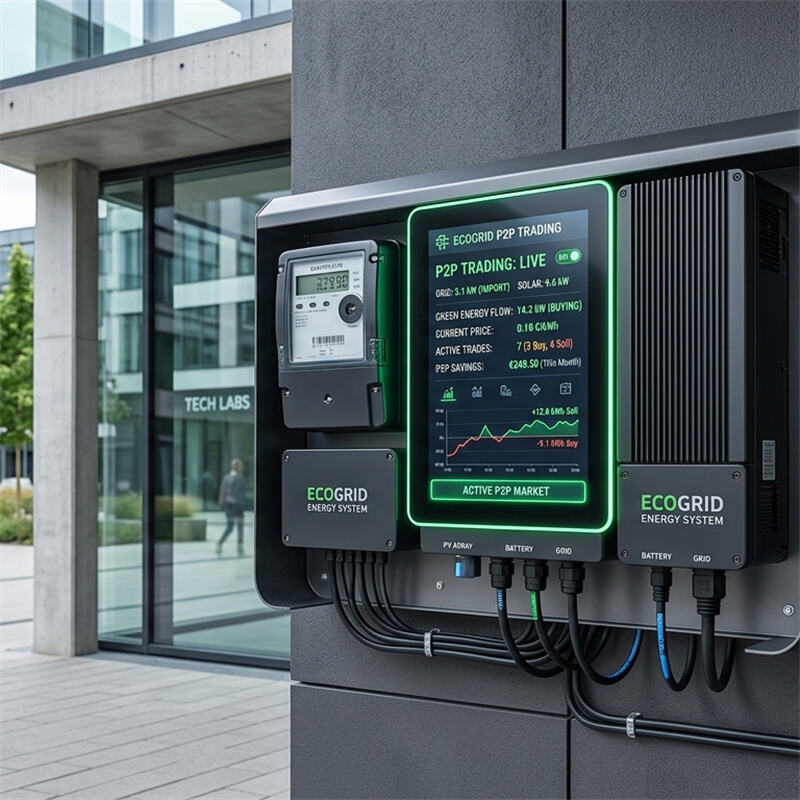
Commercial and industrial (C&I) business parks, technology hubs, and industrial estates have traditionally operated as passive consumers of electricity, drawing power from centralized utility grids. However, the rapid drop in the cost of solar photovoltaics (PV) and battery energy storage systems (BESS) has transformed these B2B parks into active participants in the energy market. Today, many individual enterprises within a business park install their own rooftop solar arrays and hybrid inverters, becoming prosumers (entities that both consume and produce energy). This decentralized generation creates a unique opportunity: instead of exporting excess solar energy back to the utility grid at low feed-in tariffs, or curtailing generation when local batteries are full, businesses can trade electricity directly with their neighbors. This model is known as Peer-to-Peer (P2P) energy trading. Enabling a successful P2P trading network within a B2B park requires a high-tech combination of advanced hybrid inverters, secure transaction platforms (often utilizing blockchain or smart contracts), and, most importantly, highly integrated smart metering systems. This guide explores how smart metering integration acts as the foundational technology that makes B2B peer-to-peer energy trading a reality.
Understanding the Mechanics of P2P Energy Trading
In a standard commercial business park, energy demand profiles vary widely. A manufacturing workshop may experience high power demand throughout the day, while an adjacent office building or logistics warehouse may generate surplus solar power that it cannot consume.
In a peer-to-peer energy trading setup, these imbalances are resolved through a localized digital market:
- Surplus Detection: When the solar array on the office building generates more electricity than the building's instantaneous load, and its battery storage is fully charged, the smart system identifies an exportable surplus.
- Demand Matching: Simultaneously, the neighboring manufacturing workshop's demand exceeds its own solar generation, requiring it to import power.
- Automated Transaction: A localized digital platform matches the buyer (the manufacturing workshop) with the seller (the office building). A smart contract executes a commercial transaction, allowing the surplus solar power to flow physically across the park's internal low-voltage distribution network from the seller to the buyer.
- Financial Settlement: The buyer purchases this clean energy at a price lower than the utility's retail tariff, while the seller receives a price higher than the utility's solar feed-in tariff. This results in a win-win financial outcome for both enterprises within the park.
By keeping energy transactions local, P2P trading maximizes the self-consumption of clean energy within the business park, reduces transmission losses, and relieves stress on the main utility grid.
The Technical Foundation: Integrating Smart Meters with Hybrid Inverters
Executing a localized P2P transaction requires high-speed, secure, and bidirectional energy measurement. Traditional mechanical utility meters or basic electronic meters are completely inadequate for this task. The network requires high-precision Smart Meters that integrate seamlessly with the park's hybrid inverters.
Key integration points and functionalities:
- Bidirectional, Multi-Channel Measurement: Smart meters must measure both active power (Watts) and reactive power (VAr) flowing in both directions (import and export) across all three phases, sampling multiple times per second. This ensures that every watt-hour traded is accurately recorded and billed.
- Sub-Second Data Syncing: The smart meters must communicate with the JYINS hybrid inverters via high-speed interfaces, such as RS-485 Modbus RTU or Modbus TCP over Ethernet. This fast data synchronization allows the inverter's control loop to adjust its output immediately. For example, if a trade is executed, the seller's inverter increases its solar export to the exact level demanded by the buyer.
- Revenue-Grade Accuracy: For financial settlements to be legally binding and trusted by B2B tenants, the smart meters must meet strict accuracy standards (such as ANSI C12.20 Class 0.2 or IEC 62053-22 Class 0.2S), guaranteeing a measurement tolerance of less than 0.2%.
- Time-Synchronized Data Logging: Every energy reading must be stamped with a highly precise cryptographic timestamp. This ensures that energy traded at 2:15 PM is matched and priced correctly according to the real-time tariff active during that specific minute.
- Load Forecasting Integration: High-end smart metering networks can run load-prediction algorithms that analyze historic usage patterns, allowing the JYINS hybrid inverter to preemptively charge or discharge batteries in preparation for scheduled trading windows.
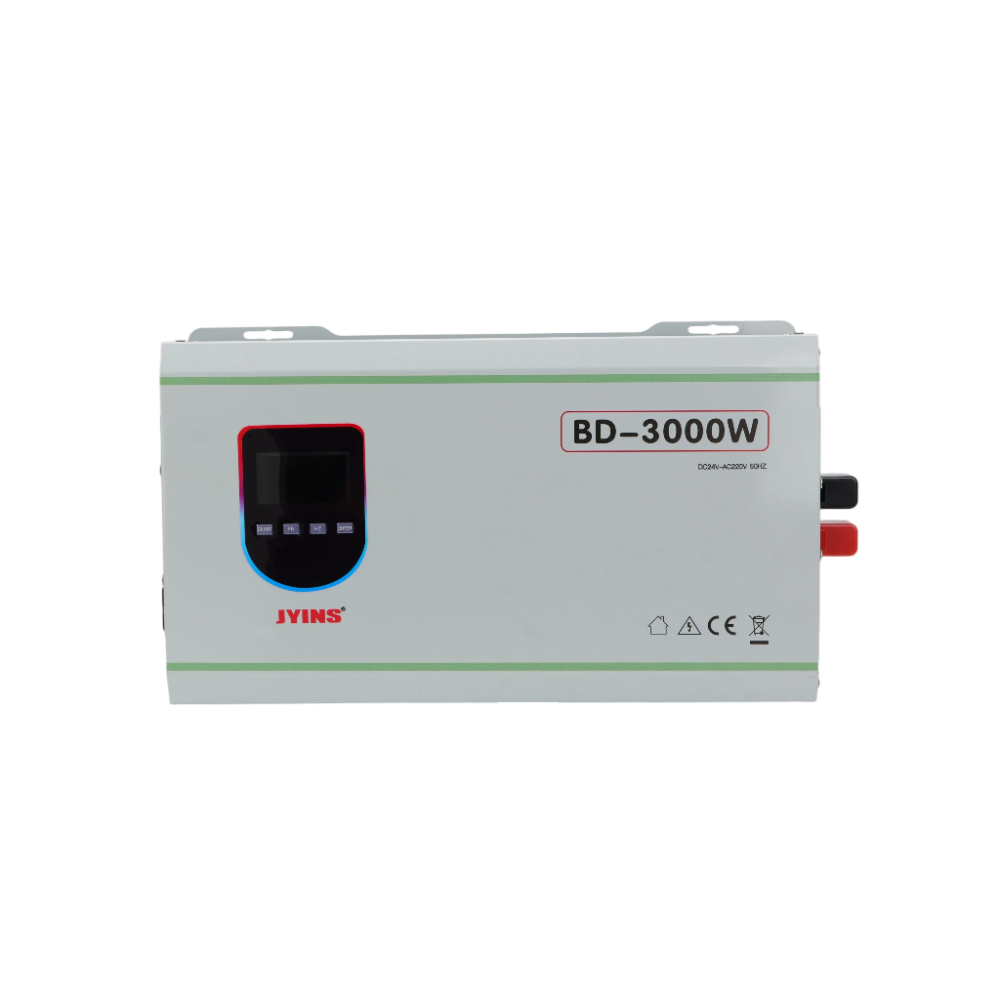
JYINS hybrid inverters are engineered with open communication architectures that support seamless integration with world-leading smart metering and energy management platforms, making them the ideal hardware engine for P2P-enabled microgrids.
Strategic Benefits for B2B Park Developers and Tenants
For real estate developers, property managers, and business park operators, integrating smart metering and P2P energy trading into your infrastructure offers immense strategic value:
- Premium Tenant Attraction: Offering a localized, green energy trading market allows developers to attract forward-thinking corporate tenants who have strict sustainability targets and carbon-reduction mandates.
- Rapid Payback on Infrastructure: Park developers can invest in central solar carports or large utility-scale battery systems, selling the generated energy directly to tenants at competitive rates via P2P channels, creating a lucrative, recurring revenue stream.
- Microgrid Resilience: In areas with weak utility grids or high outage rates, a smart-metered B2B park can operate as an islanded microgrid during a blackout. The JYINS hybrid inverters synchronize with each other, sharing battery and solar assets to keep critical facility services fully operational.
- Avoided Grid Upgrade Costs: By balancing generation and load internally within the park, the net peak demand on the main utility connection is minimized. This allows developers to expand the business park or add high-power electric vehicle (EV) charging stations without paying the utility for costly substation transformer upgrades.
By partnering with JYINS and implementing our high-performance hybrid inverters and integrated smart metering technology, B2B park operators can transition from being simple utility customers to running high-yield, self-sustaining green energy ecosystems. Our systems provide the perfect combination of technical precision, open-source communication, and industrial-grade reliability, guaranteeing a seamless path to successful peer-to-peer energy trading.
As the global energy landscape shifts from centralized generation to decentralized microgrids, B2B business parks that embrace smart metering and peer-to-peer trading will lead the market in both sustainability and operational efficiency. By leveraging integrated power conversion systems and high-precision billing nodes, commercial real estate developers can future-proof their properties, lower tenant utility bills, and unlock new, recurring revenue streams from localized clean energy markets.