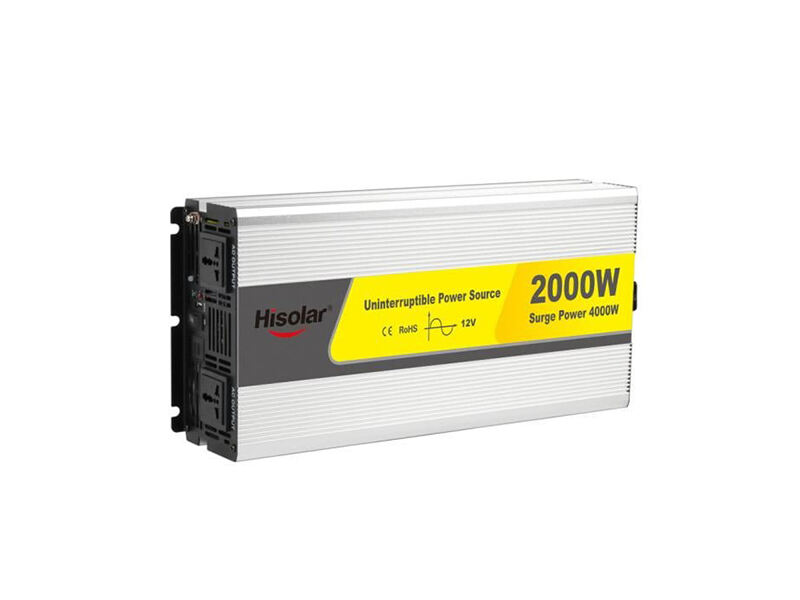
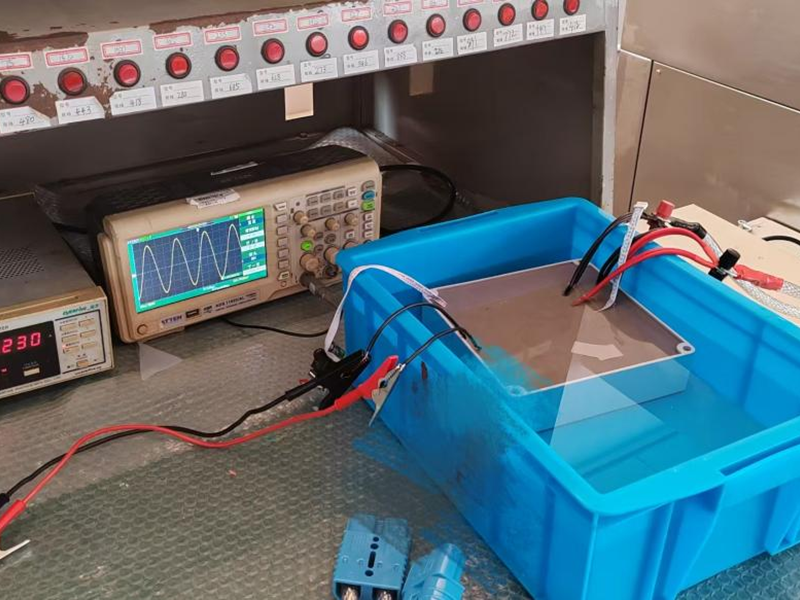
EN
EN


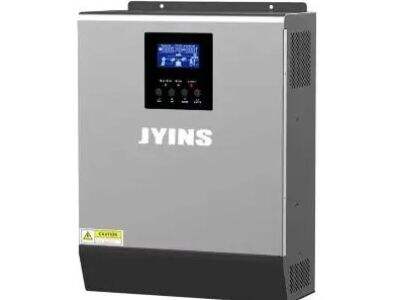
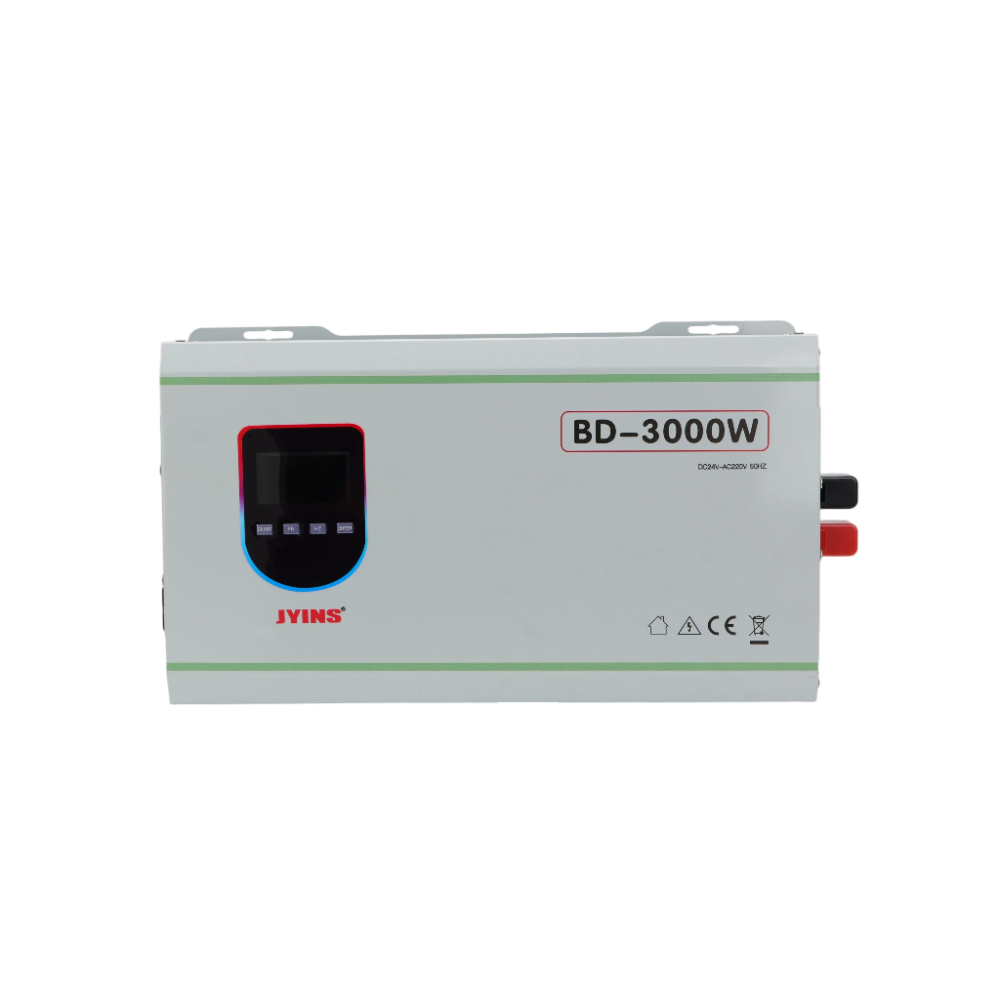
Inverters are critical components that convert a direct current (dc) into an alternating current (ac). They are found in all kinds of things, solar energy systems, electric vehicles and home appliances. There are two types of main inverters, which include, power frequency inverter and high-frequency inverter. Knowing the differences between these two types can help you decide which is better for your needs. But here comes a brand like Jyins which provides both types of inverters after thorough checking quality and maximum efficiency
What You Need to Know
Power frequency inverters operate at lower frequencies, commonly 50 to 60 Hertz. That is to say, they are suitable for heavy duty purposes. When you have a big machine in a factory, a power frequency inverter is capable of carrying the load with no problem at all. They also are usually heavier and bulkier than high frequency converters. This is because to accommodate the lower frequency they require larger components. In contrast, high-frequency inverters function with a frequency of greater than 20 kHz. They are also smaller and lighter, so they are easier to fit in small spaces. These are what you might get in solar panels, a small electrical ones
There is one interesting thing with power frequency inverters they are often more robust. They are capable of handling high-power loads and preventing overheating. This is especially important when the equipment needs to be run around the clock. For example, High frequency inverters are naturally very efficient devices,... however they can sometimes run into a brick wall at high loads. But they are useful for applications that require fast switching, such as in computer power supplies. And high-frequency inverters can also convert power with higher efficiency, so less energy is frittered away. This may mean reduced electricity bills in the long run
So, in brevity, if you need something for heavy lifting reach for a power frequency inverter. But if you desire something more compact, and efficient for powering smaller devices then a high-frequency inverter is the best choice. Jyins offers both choices so you can find the inverter that will work for your needs
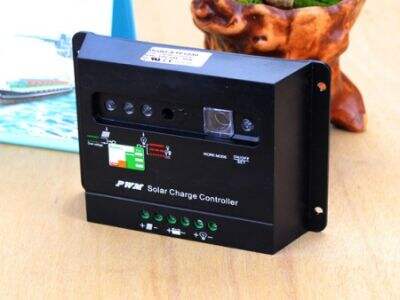
How to Decide Between Power Frequency and High-Frequency Inverters for Wholesale Buyers
The most important thing when wholesale buyers are thinking about inverters is knowing their needs. And it isn’t just about the inverter, it’s how the system will be used in real-world conditions. For example, if you are using it to power large appliances or industrial equipment then a power frequency inverter by Jyins would be ideal. These strong and efficient machines are designed to use load after load. They are not just dependable but also built to operate in the harshest of conditions
If you need to provide inverters for consumer electronics and small appliances, on the other hand, high-frequency inverters are ideal. They are lighter and therefore much easier to install, a boon for customers who may not have much space. They are great for when speed and efficiency matter. For instance, if you are dealing with solar energy systems, high frequency inverters can effectively convert the sun’s energy to electricity that you can use
And energy efficiency is not to be overlooked. These high-frequency inverters can also save on electric bills because they consume less energy. But so-called Power frequency inverts are made to be able to work longer and two or three times the duty cycle! Consider the long-term costs compared with those up-front fees. Jyins does competitive prices on either variety so you can find these without spending a bomb
Understanding the application, space limitations and efficiency requirements are key considerations in choosing between power frequency versus high-frequency inverters. Jyins is ready to help find the ideal inverter for your needs and specifications; performance without compromising value
Main Differences between Power Frequency and High-Frequency Technology
Inverters are crucial mechanisms that convert direct current (DC) power to alternating current (AC) power. This is handy because lots of the gadgets and appliances that we use in our homes and businesses require AC electricity to operate. Inverters are typically of two types that is power frequency inverters & high frequency inverters. The primary difference between the two is how often they work. Power frequency inverters usually operate at a relatively low frequency of approximately 50 or 60 Hz. That makes them slower and able to lift a larger load but less efficient. High frequency inverters, on the other hand, will operate at a much higher frequency, typically in the kilohertz. That means they can be smaller and lighter, which is great when you’re on the go
Another fundamental difference is in how they turn electricity into light. It is also a method closer to typical power frequency inverters, with some advantages for larger systems. But high-frequency inverters employ a more complicated process that takes longer and can yield cleaner, more stable electricity. This is crucial for devices with sensitive electronics which require constant power supplies. Furthermore, high frequency inverters tend to be more efficient due to the way they are designed. They use less energy, so it’s better for both the environment and your electricity bill than power frequency inverters. So, if you need something for heavy duty application then power frequency inverter may be the right one for you. But if you need something that is portable and highly efficient, high-frequency inverters like Jyins can be another option
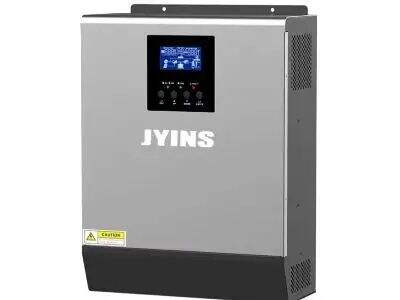
Why Are High Frequency Inverters More Suitable for Wholesale Applications
There are high frequency-type inverters that have good efficiency particularly in quantity production. They do it, in part, by converting energy more efficiently. When DC power is inverted to AC, some energy can be dissipated in the form of heat. High frequency inverters, that work at higher frequencies do not suffer this loss. That’s because smaller parts allow them to work at scales that not only lets them save space but also cut down on the loss of energy. For large businesses such as wholesale, every small amount of energy saved can eventually cost a large amount less
In addition, high frequency inverters are frequently constructed for multiple output operation. That has them able to run multiple devices at the same time without losing beat. If you’re going wholesale and have many devices moving at the same time, having an inverter than can handle this load is essential. Jyins HF (High frequency) DC / AC inverter Technology enabling multiple devices being powered efficiently with a stable power output. This is particularly true for corporate working environments as every second of system downtime can equate to lost revenue
The lightweight and compact structure is another reason responsible for the workability of high frequency inverter. Not only does this make them easier to install, it also means they are easy to position. Personal/family, household Spaces saved by businesses and better utilization of facilities. In addition, many high-frequency inverters are equipped with greater functionality such as built in smart technology which can assist to monitor energy usage and improve efficiency. Wholesale businesses can therefore monitor how much energy they consume, and make the necessary adjustments. high-frequency inverters are the perfect choice for wholesale applications due to their high efficiency, capability of supplying power to several devices and innovative structure
Where to Purchase High-Quality Power Frequency and High-Frequency Inverters for Your Company
If you want to purchase inverters for your business, you will need a reliable supplier. Jyins supplies from low price power frequency inverter to high frequency inverter with good quality. When shopping for inverters, try to find an online marketplace or a local electronics store specializing in electrical equipment. You should also read through the reviews and know more about these vibes, to make sure they do what you need them to
Good customer service and support are guaranteed when you purchase from Jyins. They also understand the importance of selecting an inverter for your business and can advice you accordingly. Call their team to discuss how power frequency and high-frequency inverters differ, and what would suit your application best. Also, Jyins typically offers some warranties on their products, so you can have peace of mind that in the end you’re getting a good investment
Or seek out distributors or wholesalers who have a line in electrical equipment. These suppliers are going to be able to quote you relatively competitive rates, particularly partnered with spare the expense when buying in bulk. Always inquire about the inverter ratings to make sure they are large enough for your intended use. And, of course, remember to look for any promotions or deals that may help you save more money. In brief, when it comes to high-quality power frequency and high-frequency inverters, think Jyins as your preferred choice, while at the same time researching for the best products that are suitable for your business
Table of Contents
- What You Need to Know
- How to Decide Between Power Frequency and High-Frequency Inverters for Wholesale Buyers
- Main Differences between Power Frequency and High-Frequency Technology
- Why Are High Frequency Inverters More Suitable for Wholesale Applications
- Where to Purchase High-Quality Power Frequency and High-Frequency Inverters for Your Company