EN
EN


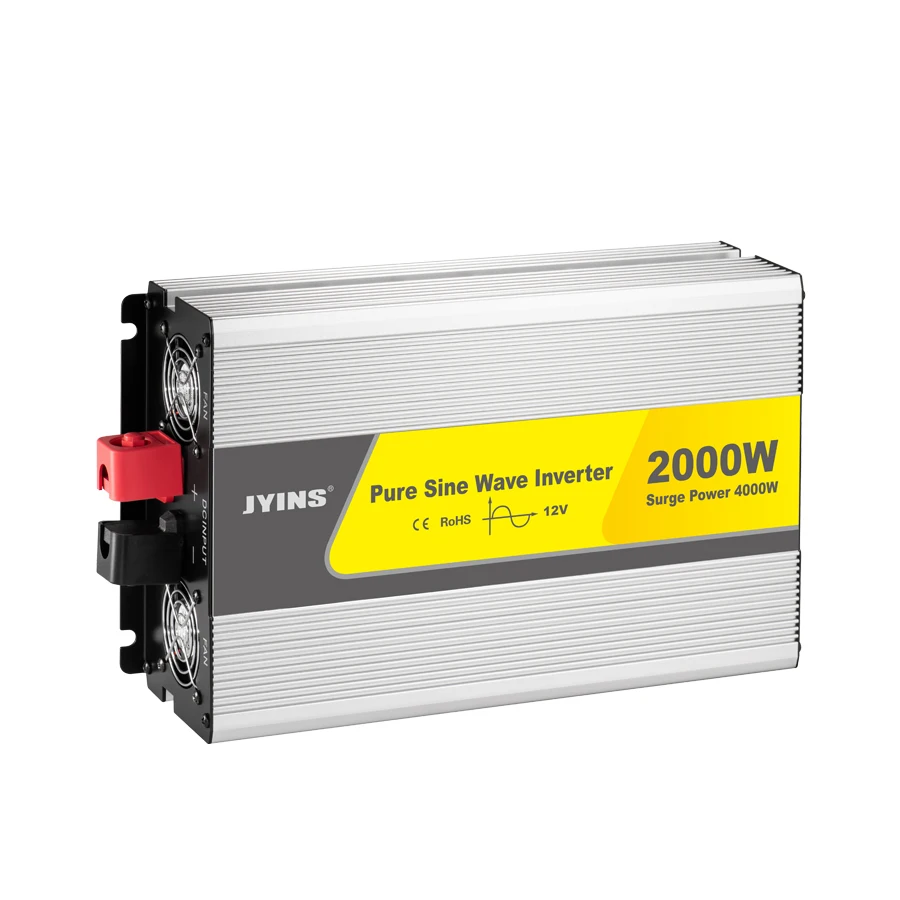
High-power inverters are crucial machinery which convert between DC (direct current) electricity and AC (alternating current) electricity. They are found in many places, including solar energy systems, electric vehicles and industry. With these inverters, one of the big problems we have is heat. When they finally put in the effort, they are incredibly hot. If the heat is not handled properly, it has the potential to lead to inverter failure or less than optimal performance. Which is why it’s extremely crucial that R&D focuses on ways to maximize heat dissipation. Here at Jyins we know the importance to keep those machines cool so that they could be in top performance.
For High-Power Inverters, How to Economically Dissipate Heat?
There are a several best practices to keep high-power inverters cool. For one, it helps to use good inverter materials. Metals such as aluminum and copper are good at conducting heat, which means they can help transfer the heat away from hot stuff. Second, good call on the heat sinks. Heat sinks are chunks of metal with a lot of surface area. They can help diffuse the heat so that it cools down more quickly. To further help with heat dissipation, make sure that the inverter has good airflow around it. This may involve putting the inverter in a place with good airflow, or using fans to blow air over it. The architecture of the inverter too should be checked. To the extent it has a small package and little space for air flow, it’s liable to get too hot. The key is designing the inverters with enough space for air to move around.
It is equally important to keep the inverter clean. Dirt and dust can obstruct airflow, making it more difficult for heat to dissipate. Regular maintenance also ensures inverter are operate efficiently. Thermal Paste Thermal paste can help to transfer heat between hot surfaces. This paste bridges crevices between surfaces, letting heat more easily flow between them. And finally, keeping an eye on the inverter’s temperature is a must. You can watch how hot it gets with sensors and make adjustments as necessary. Follow these best practices to ensure high-power air-cooled inverters can be cooler, and last longer something Jyins designs for.
Where to Source Efficient Heat Dissipation Solutions for Inverters?
If you need a reliable inverter cooling source, we have you covered. First, there are many companies that sell heat management specific products such as Jyins. These could be in the form of high end heat sinks, fans for cooling and thermal interface materials. These items can be located at travelling merchant websites or industrial supply catalogs. You should definitely be getting advice from experts working at these companies. They can also assist you in selecting the appropriate products to address whatever issues may be ailing your hair.
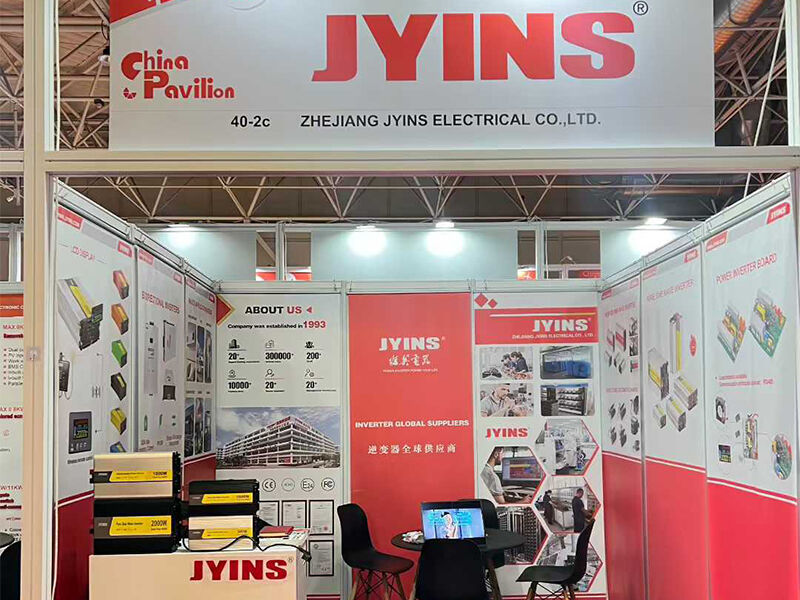
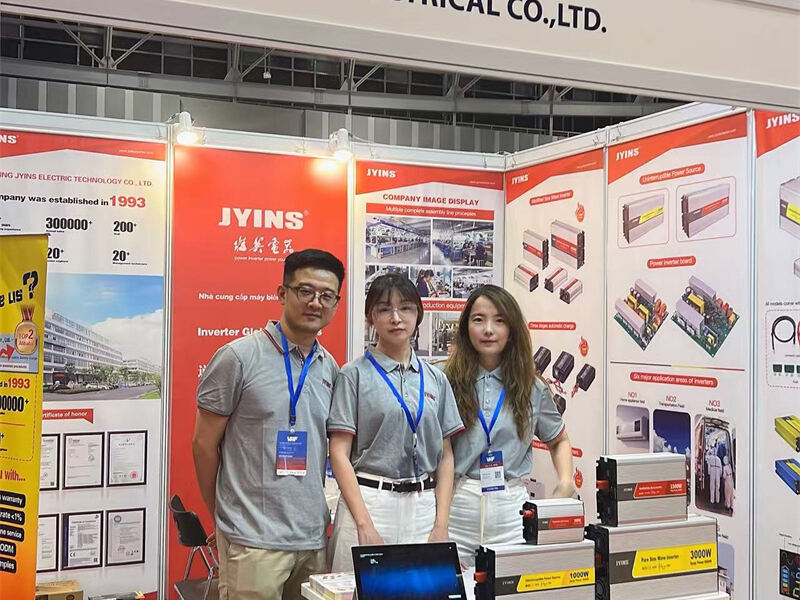
You might want to check out online discussion forums and communities as well. There are several home brewers that have documented and discussed options for heating. Sites such as these can offer inspiration and great ideas for designing your site. Also worth considering are trade shows and industry events. Manufacturers will be available for discussions and to check out the newest heat technologies at these shows.
If you want to pursue the matter read white papers and articles. There are many studies from universities and research centers on heat management methods. It can help you learn more about how heat dissipation works and what solutions might be most appropriate for your applications. Finally, design engineers working in power electronics can help guide you to a more specialized solution. They can give you advise about the best way to dissipate that heat in your personal situation. At Jyins we are always available to assist you in choosing the proper solution for high-power inverters.
What Are The Problems of Heat Dissipation in High-Power Inverters?
High-power inverters are significant apparatuses that turn power from one form to another for example from direct current to alternating current. But these inverters can become quite hot in operation. When they get too hot, they may break or function poorly. There are a number of problems with these inverters that can impact the efficiency at which heat is dissipated. One major issue is the lack of ventilation. If the inverter is located in a small, enclosed space with no air circulation to carry the heat away, there’s nowhere for the heat to escape. This has a potential to make the inverter over-heat. Another problem arises when low-grade materials are used. If the components within the inverter are poorly-made, they may even trap heat, rather than allowing it to vent. Also, the quality of the inverter matters. And if the components are too close together, heat can accumulate in an area, which is unhealthy for the power inverter. Finally, you can have issues with the cooling itself fans or heat sinks simply not doing their job. If the fan is too small or weak, that might not provide enough of a push to cool down our inverter. At Jyins, we know it may amount to serious issues. That’s why we’re focused on good design and high-quality materials to help our inverters absorb as much heat as possible and be long lasting.
Where to Get the Good Quality Heat Dissipation Components for Inverters?
Discovering quality parts to help cool high-power inverters is key for ensuring a smoothly functioning inverter. You can find excellent heat sink stuff in a few places. One of the more reliable methods is to locate electronic parts distributors. These vendors typically offer an array of cooling options, such as heat sinks, thermal pads and fan. You should ensure that they have a good reputation. Read reviews, and ask other engineers where they purchase their parts. This will enable you to locate reliable sources. Another option is to go visit a trade show or exhibition and concentrate on the electronics sector. These are also fantastic opportunities to meet with manufacturers and suppliers in-person. You can look at the products and ask questions about how they work. An alternative is shopping online. There are lot of website where you would find number of cooling fans. Just be sure to pick a reputable site that has good customer service and at Jyins we are always searching for the finest parts and suppliers to achieve that premium heat management. This is how we can provide dependable inverters to our clients.
What Are The Best Materials For Inverter Cooling?
The correct materials are important for controlling heat in high-power solar inverter. Some things are better at conducting heat than others. Metals such as aluminum and copper for instance make great options. These can rapidly draw away heat from hot parts in the inverter and distribute it around to cooler areas. Aluminium is light and therefore relatively cheap, so it is a favoured medium. Copper, meanwhile, is pricier but a superior conductor of heat even than aluminum. This all makes it ideal for high-end uses. In addition to metals, there are other materials thermal pastes and pad used to fill the gaps between surfaces. They make the heat exchange process more efficient and prevent pockets of air from becoming trapped with heat. In addition, certain plastics and composites can be formulated to be heat-resistant and therefore used in applications that do not require heat conduction. The thermal resistance of the materials is also to be taken into account. The less thermal resistance they offer, the better they are able to move heat away. A combination of these efficient components is what we use in our inverters at Jyins. Through careful selection we can be certain that products stay cool and do the job well even at high powers.
Table of Contents
- For High-Power Inverters, How to Economically Dissipate Heat?
- Where to Source Efficient Heat Dissipation Solutions for Inverters?
- What Are The Problems of Heat Dissipation in High-Power Inverters?
- Where to Get the Good Quality Heat Dissipation Components for Inverters?
- What Are The Best Materials For Inverter Cooling?