EN
EN


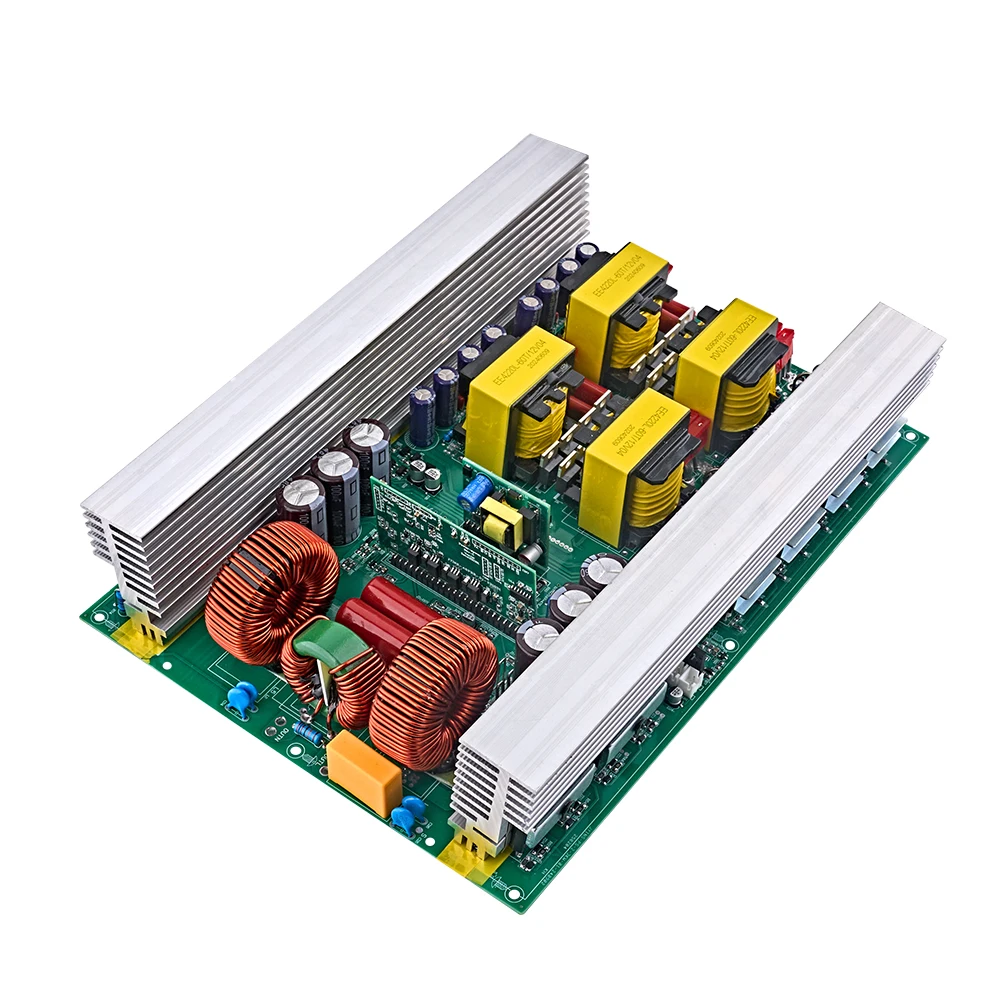
Knowing how bidirectional inverters operate can reduce the cost for businesses and make stored energy more useful. A bidirectional inverter is something that lets energy move in both directions. It can draw power from a battery and put it on the grid, or it can flow power out of the grid to charge the battery. For businesses like Jyins looking to optimize how they use energy and cut costs, this is a big win. Being able to calculate return on investment (ROI) of these inverters is an essential skill for any wholesaler. By quantifying those benefits, organizations can determine how much to invest in energy storage systems.
Bidirectional Inverter ROI Calculator For Your Wholesale Business
Determine the ROI of bidirectional inverters It's no too complex if you consider it step by step. First, you must know the maximum amount of money you spend on the inverter (including installation). But let’s put it this way: You buy an inverter for $5,000 and then another $1,000 is spent to install it. Your total cost is $6,000. Then you have to consider how much money you will save. If the inverter saves you $1,200 per year on your energy bills, that would indicate to you how many years you could go with massive changes in annual savings. In other words, $6,000 divided by $1,200 is 5. That means you’ll get your money back after about five years. But there’s more to consider than just that. Also take into account any additional money you can earn from selling energy back to the grid. If you can sell $300 worth of energy each year, that adds to your savings. So now, you have a total annual savings of $1,200 plus $300, or $1,500. Running the numbers again, you are spending $6,000 / $1,500 for 4 there it is your ROI is faster than previously. One other thing to check, is how long that inverter’s going to last. It’s there for 10 years, so you can continue to save money long after you’ve gotten your initial investment back. This is how bidirectional inverters can benefit your business.
Where To Buy Best Bidirectional Inverter For Energy Storage System
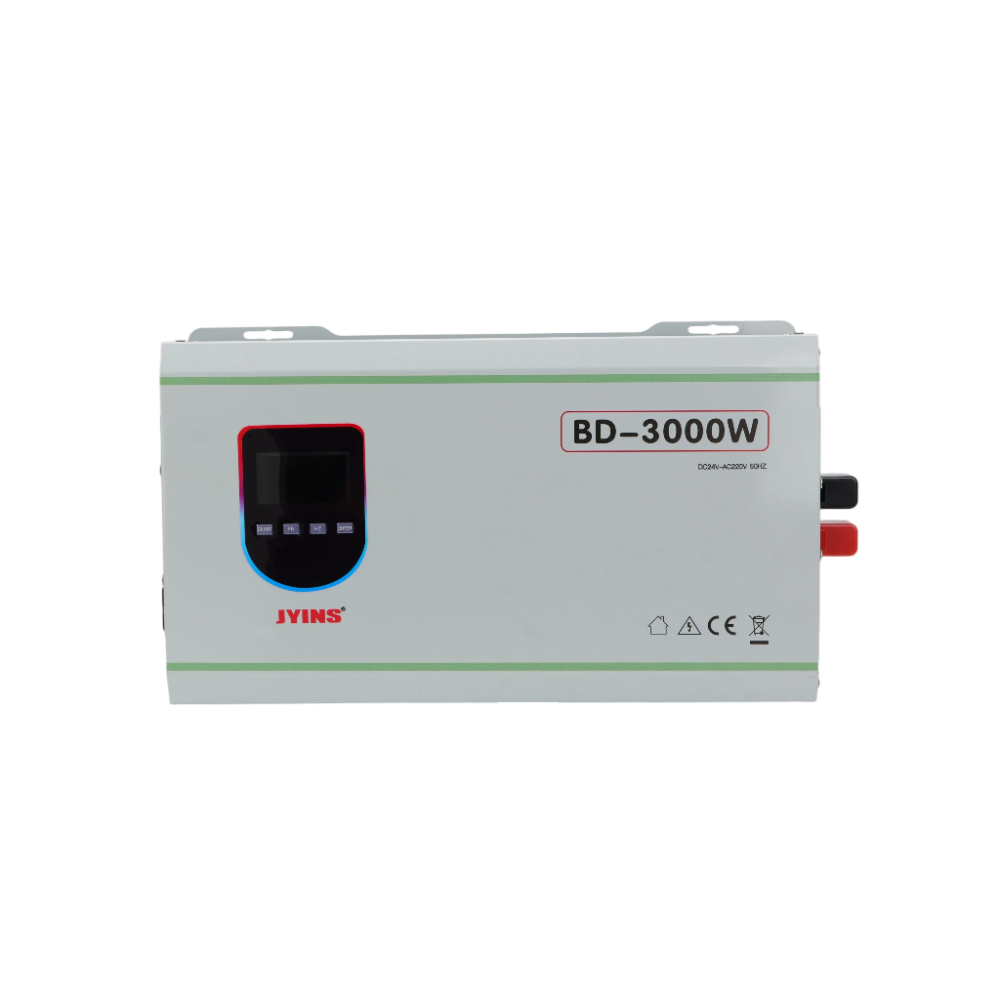
The right-bidirectional inverter can be hard to find though, but there are a few tricks to help. The starting point is to ponder what you need. Inverters are not all created equal. Some of them are better for larger businesses, while others do a great job in smaller setups. One good way to identify the best models is to look at your local suppliers. That means you usually have room for some options, and can also ask which inverters other companies are using. You may also want to search online for reviews. Websites can display consumer comments about the various inverter brands, so you can determine what works easiest on. Do check for the specifications as well. You need an inverter that fits your power demands. Jyins provides different model suit for your business size and power needs. Be sure to ask about the warranty, too. A longer warranty might help with peace of mind. And don’t forget to shop around for prices. Other suppliers may have better offers than others. Contact them for quotes and ask if they have any good promotions. Finally: Ask for help. Plenty of businesses, like Jyins, have experts who help you navigate the process. They may also help explain which inverter is best for your battery system.
A Bidirectional Inverter ROI Calculation That Can Increase Your Energy Savings
It is common knowledge that bidirectional inverters, compared to traditional inverters, have greater flexibility because energy can flow in both directions. Bidirectional inverters are crucially important devices that allow people to save money on energy. An inverter is a device that converts direct current (DC) electricity, such as that produced by batteries, into alternating current (AC) electricity, the type of power that nearly all households and businesses are wired to use. (432) A bidirectional inverter may operate both ways. It can draw energy from, and sell it back to the grid, and also take energy from the grid and store that in batteries. Here’s where this starts being interesting from a financial point of view. Using a bidirectional inverter, you can recharge your home battery system when electricity is cheaper (typically at night or during off-peak periods). Then, when electricity costs more during the day, you can draw on your stored energy or sell it back to the grid for a profit. This is where a Return on Investment (RoI) comes into the picture. When you figure out the ROI, it is basically how much money you spend on purchasing and installing your inverter as well as batteries, and how much amount of money can you earn back by using them properly. If you see that you save (or even better make) more money than what you contributed, then it was a good investment. Jyins can even help you understand this process. They offer calculators and other information to help you figure out how much money you can save with a bidirectional inverter. We hope that this makes the advantages of having an energy storage installation for both your business and home easier to understand. So with a little foresight and crunching of numbers, you can maximize savings and ensure that you get the most bang for your energy buck.
What Determines the Return on Investment (ROI) of Energy Storage Systems with Bidirectional Inverters?
When considering the ROI of energy storage systems that utilize bidirectional power inverter there are a number of key considerations. For one, electricity is a very big deal. If peak hours are when electricity is expensive, then using your batteries to draw on cheaper energy during that time can save you money. On the other hand, if energy is much cheaper the majority of the time, you may not see as big savings. Another factor is the amount of that manageable energy that you can store in your batteries. The bigger the battery you have, then the more energy you can store and hence save when prices are high. Optimization of the bidirectional inverter is also important. An effective inverter will waste less power converting, which can save you more money. Jyins offers software that it says can help customers wrap their heads around these considerations. They show you how each variable can make a difference in your savings and ROI. Local ordinances and incentives can also impact ROI. In some areas, there are rebates or tax credits for installing energy storage systems. And these kickbacks can reduce what you have to invest upfront, which makes your ROI appear more favorable. Finally, weather can sometimes be a factor. In sunny locations, solar panels can generate quite a bit of energy, and if you add a bidirectional inverter, you may be able to store that surplus energy as well. So, with all the things to consider like these it provides you a clear view of how to maximize the ROI on your energy storage.
How Valuable are Energy Storage Systems in Wholesale Markets?
There are some incremental benefits of energy storage systems with bidirectional portable rower inverters, particularly in wholesale markets where electricity is purchased and sold at scale. One of the primary benefits is that they can be used to smooth out the supply and demand for energy. For instance, when there is an excess of energy, as on sunny days with abundant solar power, the surplus energy can be stored in storage systems. They can then inject that stored energy back into the market during times of peak demand. This juggling can help keep prices down for everyone by preventing shortages. Energy storage systems can also aid in the need to reduce expensive peak plants. These are power plants that operate only during peak demand periods and are frequently extremely expensive to run. With stored energy, we can better get along without these plants, which is healthier for the environment and can even help drive down electricity prices. Jyins stressed the importance of knowing these benefits. They demonstrate how energy storage systems can get involved in wholesale markets where customers make purchases (and sales) at the regional level, not for retail service, according to the report. Energy storage can also offer grid support services, such as frequency regulation, which helps keep the supply of electricity steady. This can open new sources of revenue for owners of energy storage systems. In summary, marginal sources of welfare from storage systems in global markets contribute to developing a more effective energy system and an optimization of resources that benefits both individual consumers and society.
Table of Contents
- Bidirectional Inverter ROI Calculator For Your Wholesale Business
- Where To Buy Best Bidirectional Inverter For Energy Storage System
- A Bidirectional Inverter ROI Calculation That Can Increase Your Energy Savings
- What Determines the Return on Investment (ROI) of Energy Storage Systems with Bidirectional Inverters?
- How Valuable are Energy Storage Systems in Wholesale Markets?