Understanding Pure Sine Wave Inverter Circuit Boards

Get a Free Quote

Our representative will contact you soon.
Email
Mobile
Name
Company Name
Products of Interest
Message
0/1000

pure sine wave inverter circuit board

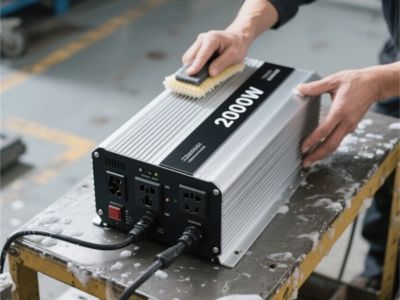
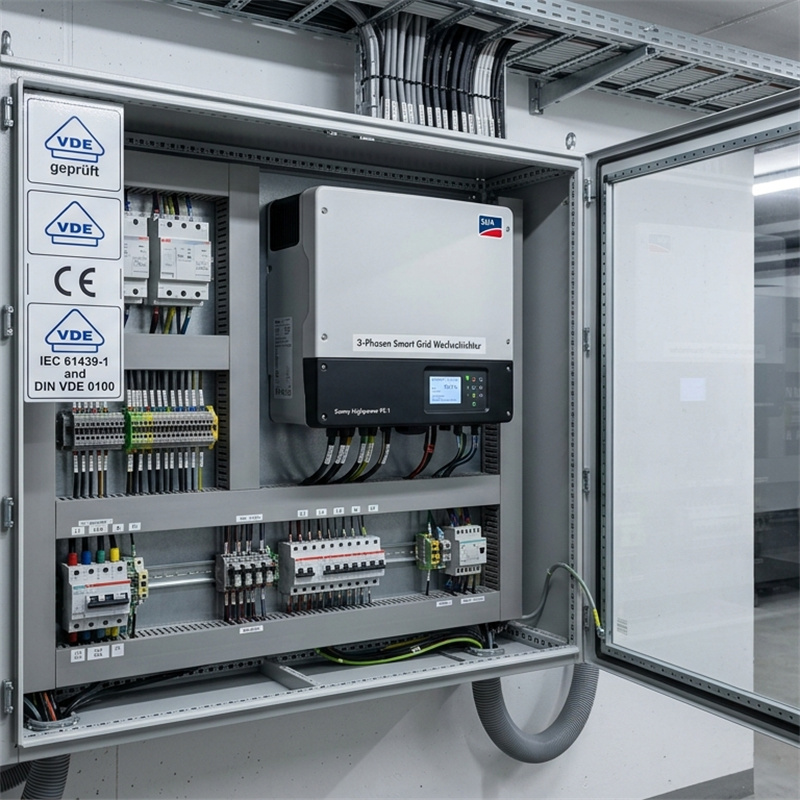
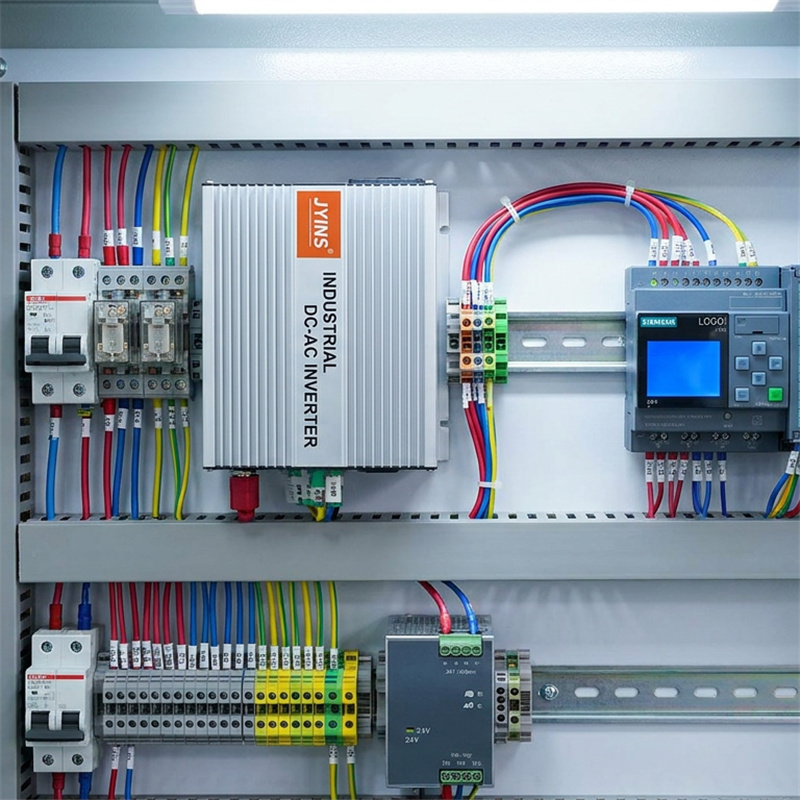
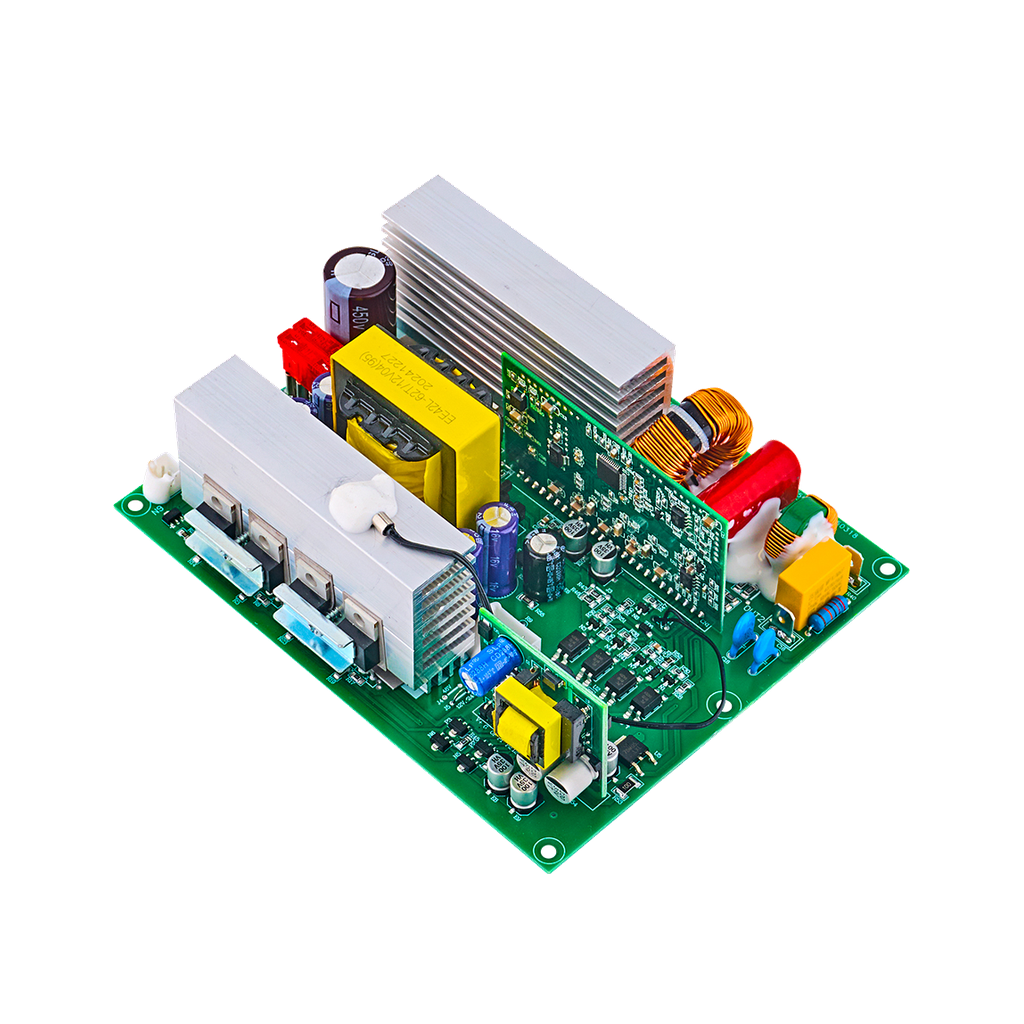
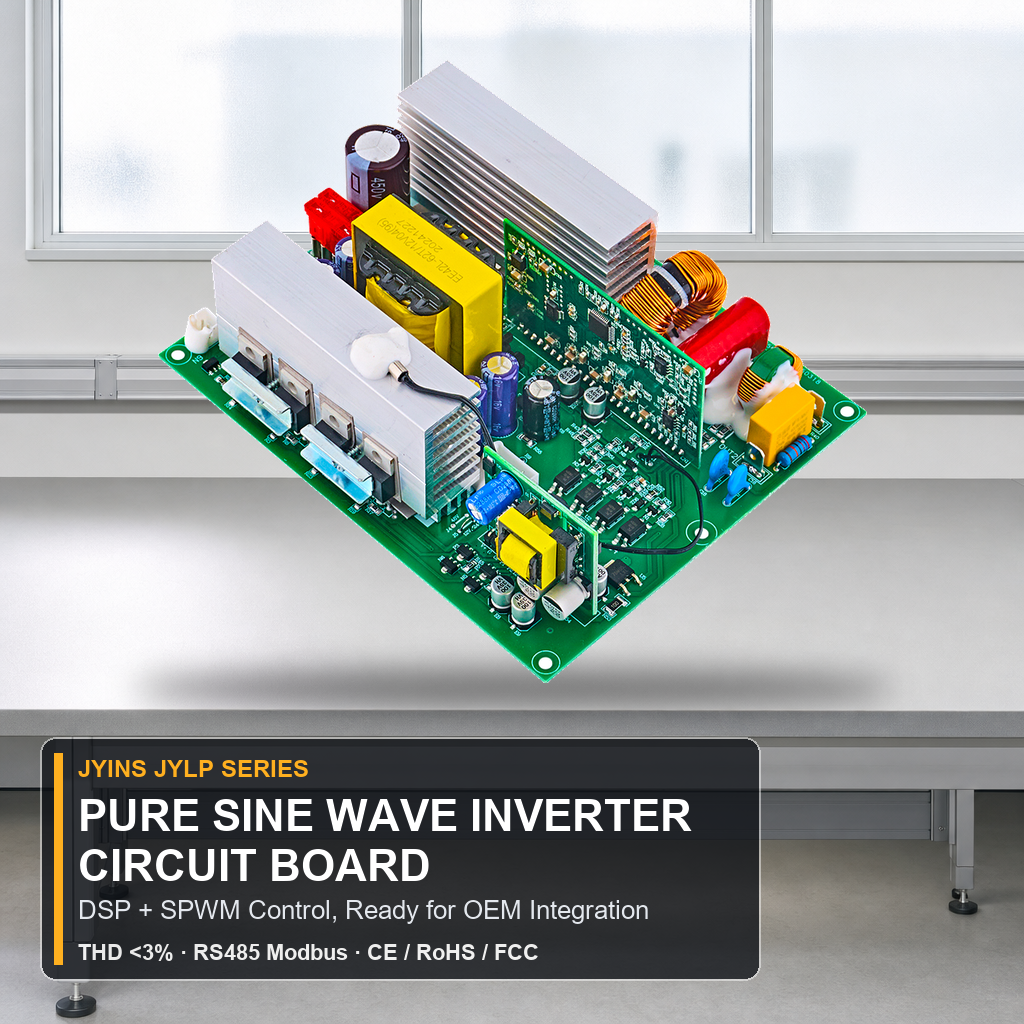
Pure sine wave  inverter  circuit boards are essential components in  off-grid solar systems, converting  direct current (DC) from solar panels or  batteries into clean alternating current (AC) suitable for powering various  appliances. For B2B buyers like purchasing managers and engineers, understanding  the specifications and sourcing  high-quality circuit boards is critical to  ensure  reliable performance and longevity in applications. This  article  will  delve  into the specifications of  pure sine wave inverter circuit boards, sourcing options,  installation guidance,  common issues, and the  importance of materials  used  in their production. For example, when looking to power off-grid systems, one might consider using a Solar Inverter for efficient energy conversion.
Where to Source Reliable Pure Sine Wave Inverter Circuit Boards Wholesale

Where to Source Reliable Pure Sine Wave Inverter Circuit Boards Wholesale

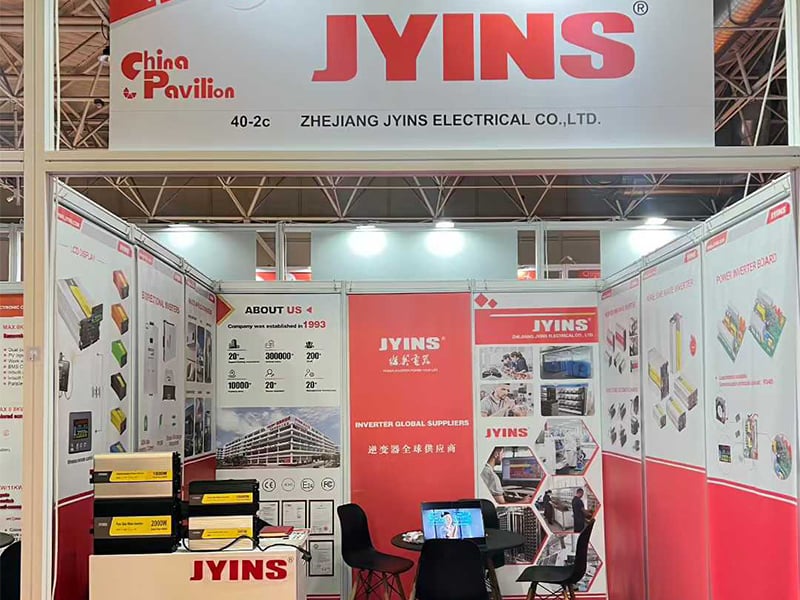
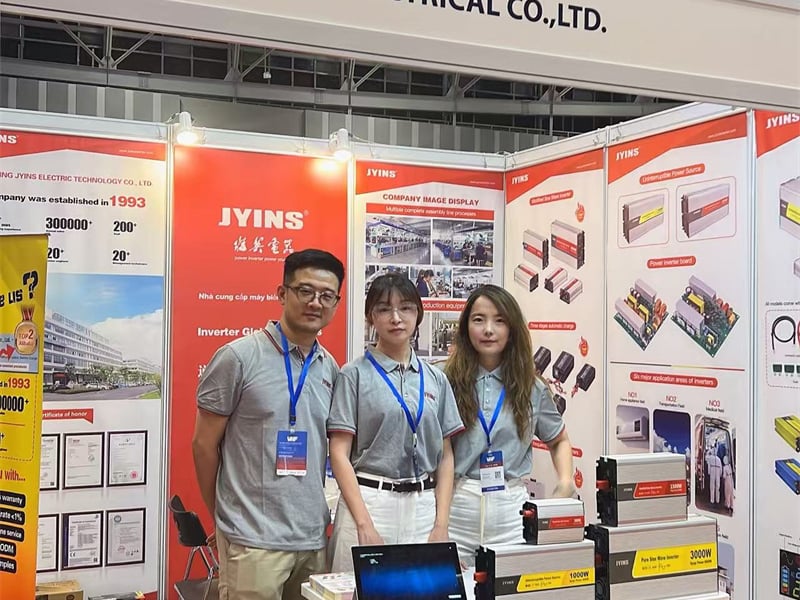
Sourcing high-quality pure sine wave inverter circuit boards requires evaluating potential suppliers  carefully. Manufacturers like Zhejiang Jyins Electrical Co., LTD, which specializes in  off-grid solar products, adhere to international ISO9000  standards for quality  assurance, making them a  reliable option for wholesale procurement.

Buyers  should consider  several  factors when sourcing these circuit boards. First, assess the supplier's manufacturing  capabilities and experience in producing inverter circuit boards. Look for suppliers who can provide detailed information  about their production processes, certifications, and quality  control  measures.

Another factor is the  supplier’s  ability to customize products based on specific requirements. For instance, if a project demands unique voltage specifications or specific  component materials, a manufacturer  capable of custom solutions will  be  beneficial.

Additionally, establishing communication lines with suppliers to discuss minimum order quantities  (MOQ) and lead times is essential.  Understanding these elements will help buyers align their inventory management strategies and project timelines effectively.
Installation Guidance for Pure Sine Wave Inverter Circuit Boards in Various Applications

Installation Guidance for Pure Sine Wave Inverter Circuit Boards in Various Applications

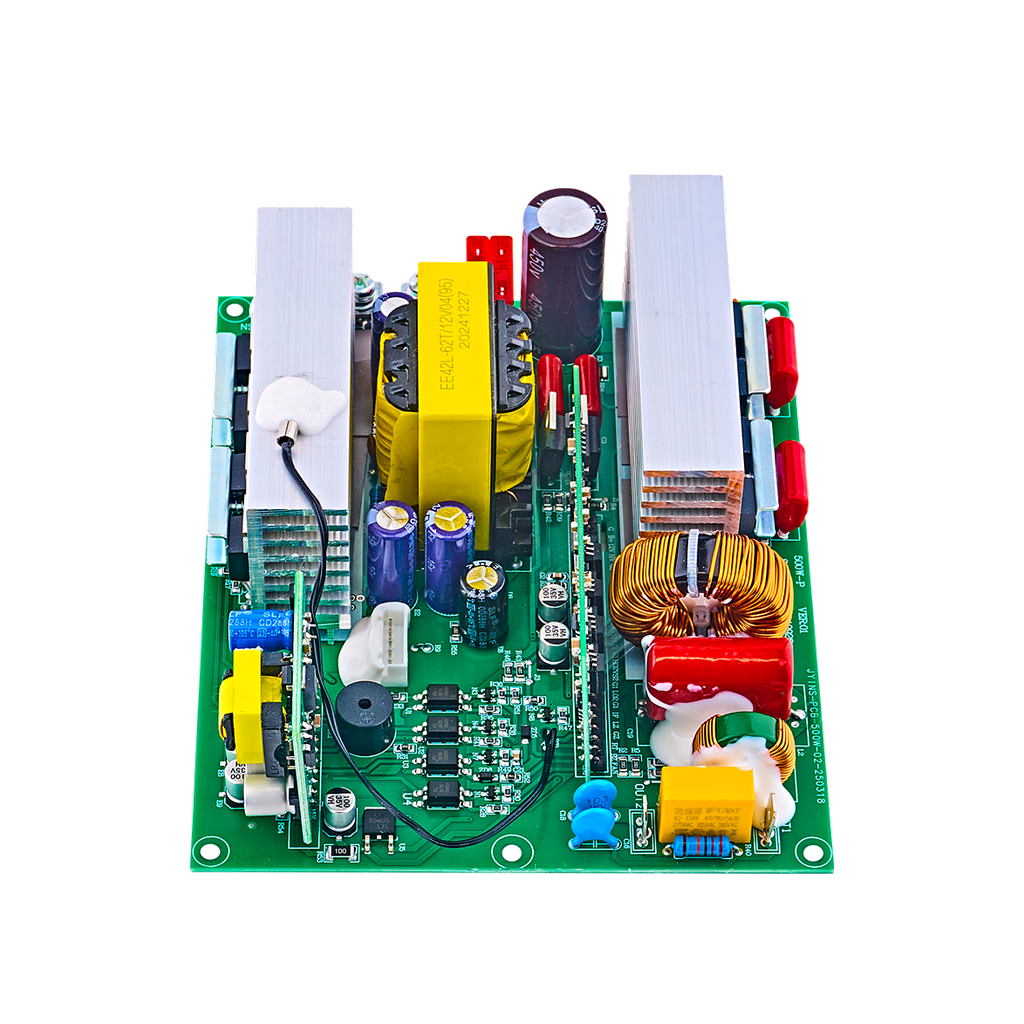
Proper installation of  pure sine wave  inverter circuit boards is crucial  for optimal performance. One of the first steps is  ensuring compatibility  with the existing electrical system, including input voltage and current ratings.

When installing, it’s important to use appropriate mounting methods and materials to ensure stability and heat dissipation.  For example,  circuit boards should  be mounted in a well-ventilated area to prevent overheating, which  can  lead to premature failure. 

In  applications such as RVs or remote solar  setups, buyers should pay attention to wiring practices. Using the correct gauge of wire and ensuring secure connections will minimize voltage drop and prevent electrical fires.

Lastly,  conducting a thorough test of the installation before full deployment  is advisable. This includes  checking all connections, ensuring the inverter responds correctly to load changes, and confirming  that all protective features, such  as overload protection and temperature monitoring, are functioning as  intended.

 
Common Problems with Pure Sine Wave Inverter Circuit Boards and Their Solutions

Common Problems with Pure Sine Wave Inverter Circuit Boards and Their Solutions

Pure sine wave inverter circuit boards can experience several  common issues that buyers should  anticipate. One frequent problem  is  overheating, which can occur due to inadequate ventilation or excessive load. Ensuring that the installation is in a  well-ventilated area and  that  the inverter is not overloaded  can mitigate this risk.

Another issue  is failure to start, which might be caused by insufficient input voltage or faulty connections. Buyers should verify  that the  input voltage matches the specifications of the inverter  and that all connections are  secure and properly insulated.

Additionally, buyers should  be aware of  potential waveform distortion, which can affect  the performance of connected devices. This could arise from a fault in  the inverter or poor connections. Regular maintenance checks and ensuring that the inverter is  from a reputable manufacturer can help prevent these issues.

Buyers should also consider implementing monitoring systems that provide real-time  data on inverter performance, allowing for  early detection of any anomalies.

Benefits of Using High-Quality Materials in Pure Sine Wave Inverter Circuit Boards

The materials used  in the construction of pure sine wave inverter circuit boards significantly impact their performance and reliability. High-quality  circuit boards often utilize advanced materials like FR-4  glass epoxy  for their substrates, which provides excellent thermal and electrical insulation properties.

Using quality components, such as capacitors and transistors, enhances the durability and efficiency of the inverter. For instance, high-grade capacitors can ensure stable operation and reduce  the risk of failure  due to high  temperatures or voltage spikes. Battery Charger options can also be considered to support the overall system's performance.

Furthermore, the manufacturing process plays  a  critical role in the quality  of the final product. Advanced techniques,  such as automated soldering and rigorous quality control, ensure that circuit  boards meet the necessary performance standards.

Investing in high-quality  materials and processes can lead to longer-lasting products, reduced maintenance costs, and increased  customer  satisfaction, making them  a worthwhile  consideration  for B2B buyers  in  the solar energy sector.

Understanding the Specifications of Pure Sine Wave Inverter Circuit Boards

When evaluating pure sine wave inverter circuit boards, several  key specifications should be considered. The output  waveform is the first critical factor; it should produce a clean sine wave that mimics the power supplied by the grid. This is vital for sensitive electronics which may not  function properly with  modified sine waves.

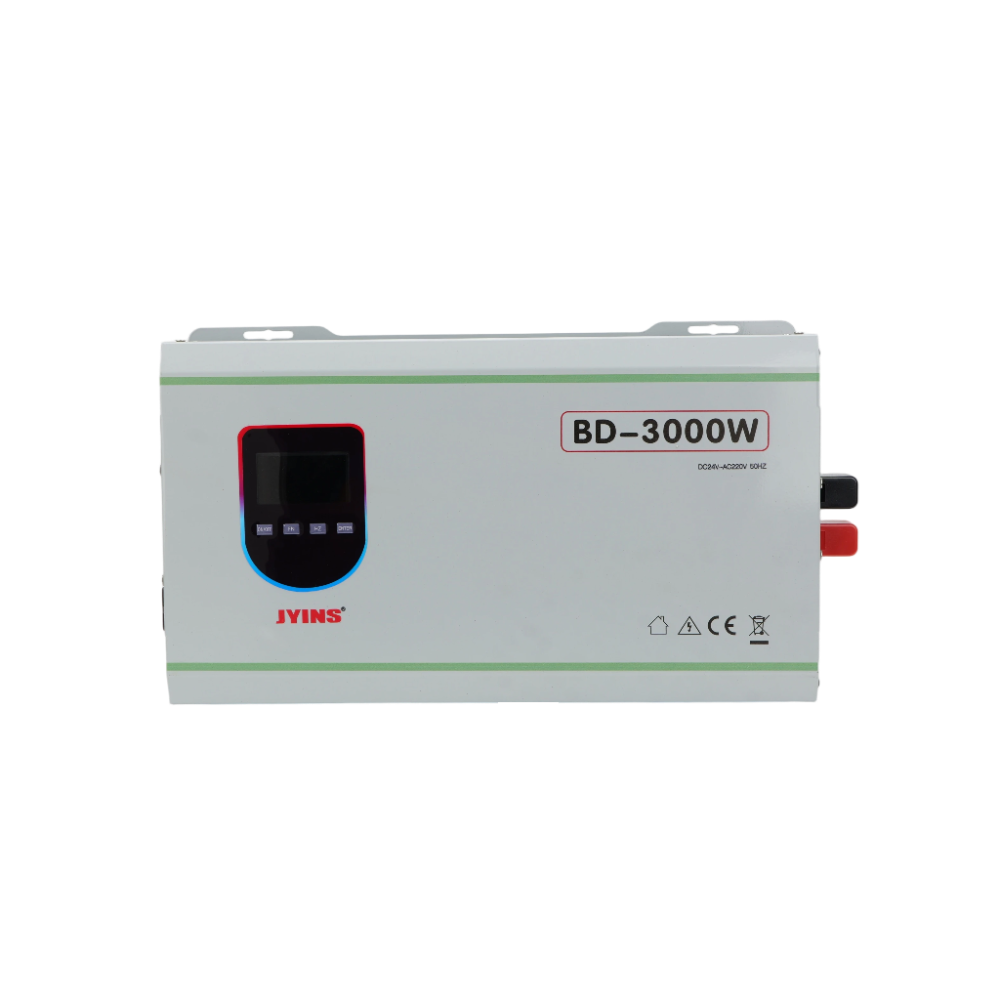
Another important specification  is the output power rating, typically measured  in watts (W). It indicates the maximum load the inverter can handle. Buyers should assess their intended  applications to ensure the inverter  can support the  cumulative wattage of all devices being powered. For those needing more power, options like a Hisolar Wholesale JYMU 3000W Uninterruptible Power System may be suitable.

Additionally,  the efficiency rating is crucial—it reflects how well the inverter converts DC power to AC. Higher efficiency means lower energy losses during conversion, which is especially  important in solar applications where every watt counts. For instance, an efficiency rating of 90% means that 90% of the DC power  is  effectively converted to AC, while 10% is lost as heat.


Buyers  should also consider other technical  parameters, such as the input voltage range, surge capacity (the ability to handle short bursts  of high power), and temperature  range. These specifications will guide buyers in selecting a product that meets their operational needs and  environmental conditions.


Our Blog Posts

The Impact of Waveform Quality in Power frequency inverters

14

May

The Impact of Waveform Quality in Power frequency inverters

Waveform quality in power frequency inverters are important topic for anyone who into how electricity get made and used. Inverters change DC to AC, and this need because most appliances run on AC power. The waveform they make can affect devices alot,...
View More
How to manage 'Three-Phase Unbalance' limits in German VDE-AR-N 4105 compliant industrial setups?

24

Jun

How to manage 'Three-Phase Unbalance' limits in German VDE-AR-N 4105 compliant industrial setups?

The German Low-Voltage Grid Standard: VDE-AR-N 4105 Germany is home to one of the most sophisticated and highly regulated electricity networks in the world. As the country pushes toward its Energiewende (energy transition), the integration of distrib...
View More
How to design a 'Micro-UPS' system for industrial PLC control panels using DC-AC inverters?

25

Jun

How to design a 'Micro-UPS' system for industrial PLC control panels using DC-AC inverters?

Q: How to design a 'Micro-UPS' system for industrial PLC control panels using DC-AC inverters? Introduction: The Vulnerability of Industrial Automation In modern manufacturing plants, petrochemical facilities, and municipal water treatment works, Pro...
View More

Get a Free Quote

Our representative will contact you soon.
Email
Mobile
Name
Company Name
Products of Interest
Message
0/1000
Understanding Pure Sine Wave Inverter Circuit Boards

Get a Free Quote

Our representative will contact you soon.
Email
Mobile
Name
Company Name
Products of Interest
Message
0/1000