EN


Portable auto battery chargers are essential tools for maintaining battery health and ensuring uninterrupted power supply in vehicles and equipment. These devices are particularly important for B2B buyers such as purchasing managers, engineers, and product managers who need reliable solutions for their operational needs. This article will address key considerations for selecting portable auto battery chargers, including supplier options, specifications, common issues, installation guidance, and industry applications, helping you make informed purchasing decisions.
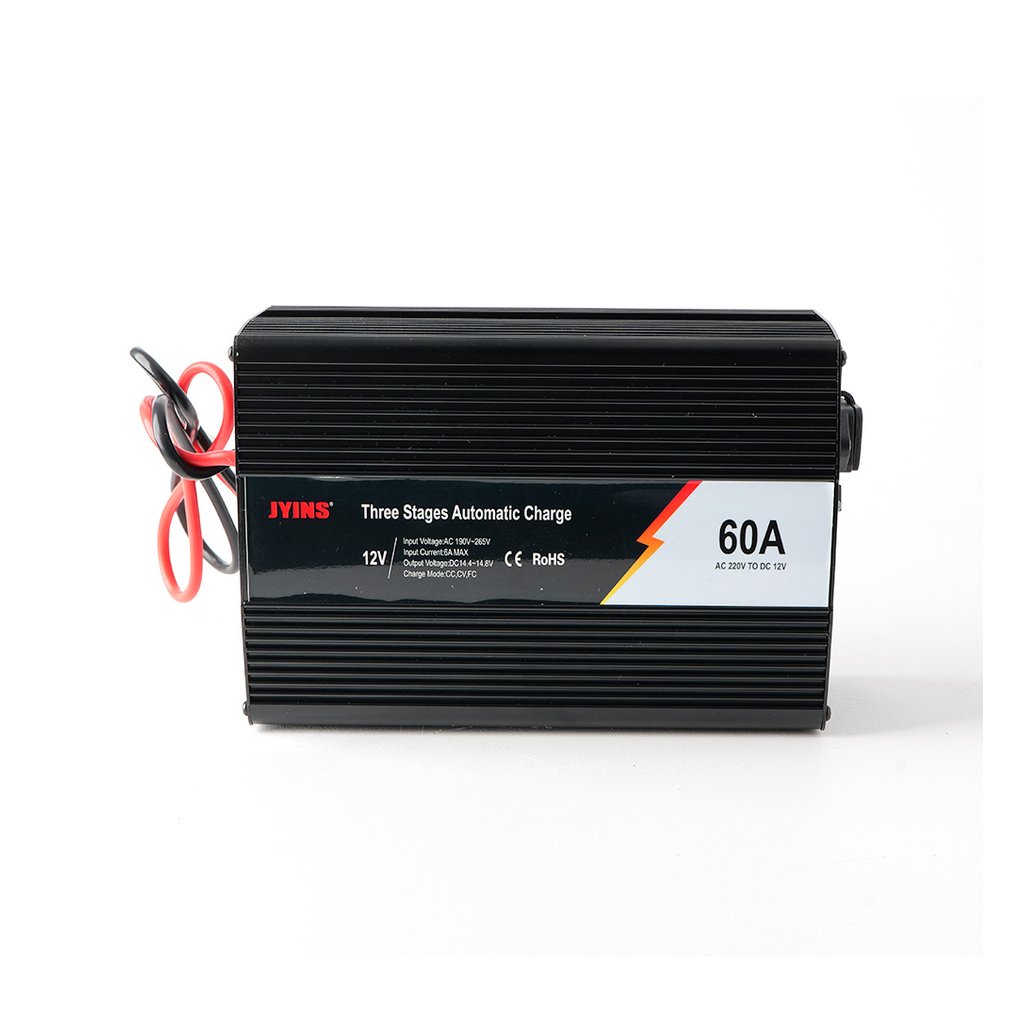
Key Specifications to Consider in Portable Auto Battery Chargers
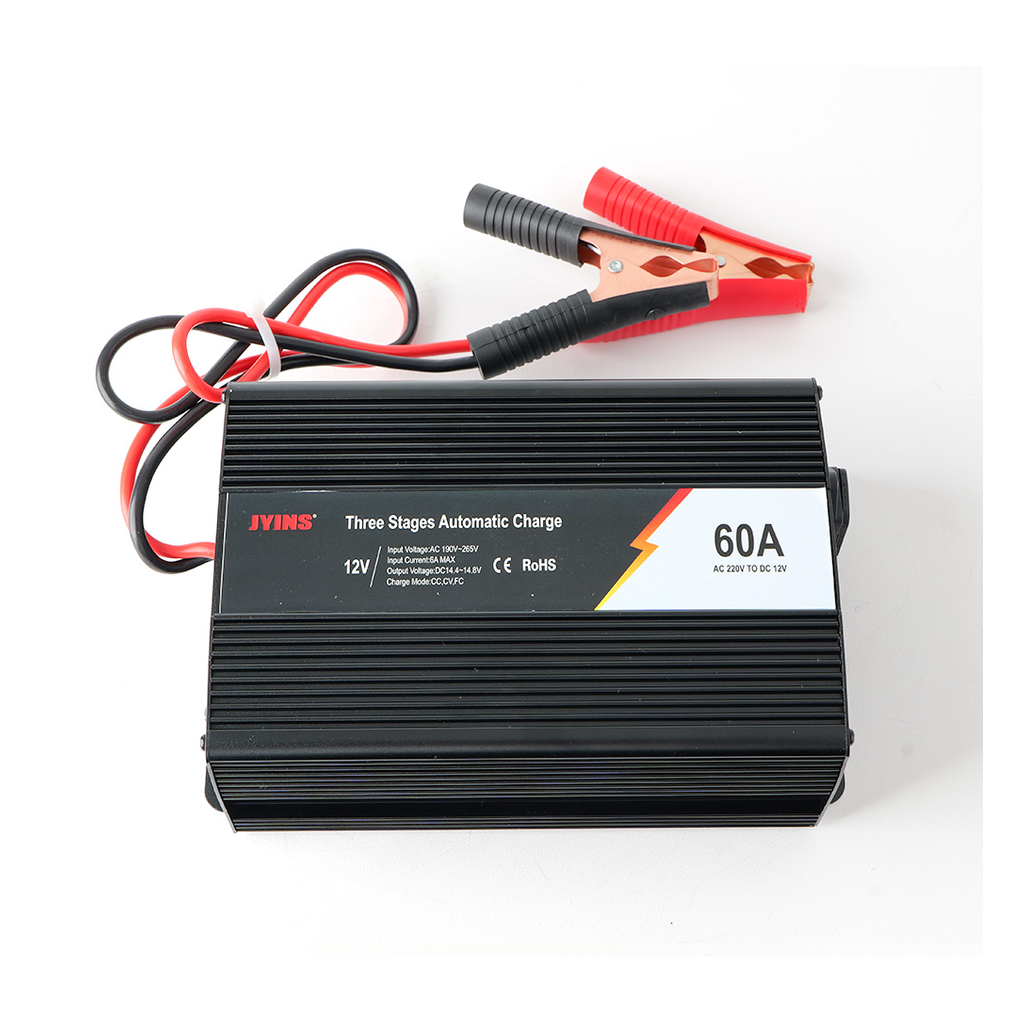
When selecting a portable auto battery charger, several key specifications should be evaluated to ensure the product suits your specific needs:
Voltage Compatibility: Most chargers are designed for 12V or 24V systems. Ensure the battery charger matches the voltage of the batteries you intend to charge.
Amperage Rating: This indicates the current output of the portable auto battery charger. A higher amperage can reduce charging time but may not be suitable for all battery types, especially sensitive ones.
Charging Technology: Look for chargers that use advanced technology, such as smart or automatic charging systems. These can adjust the charging process according to the battery's needs, preventing overcharging and extending battery life.
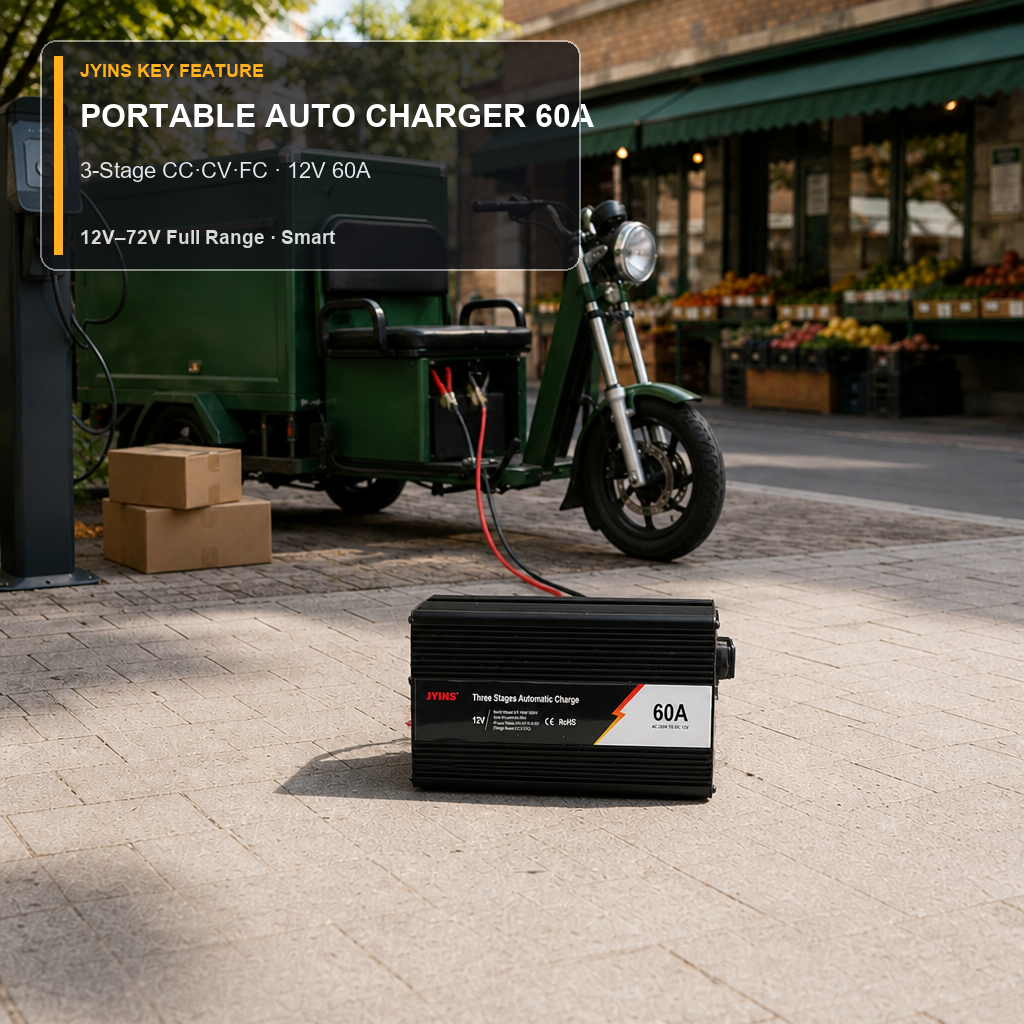
Portability Features: Consider weight, size, and built-in safety features like reverse polarity protection, short circuit protection, and thermal protection for safe handling.
Durability: Materials used in construction should withstand harsh environments, particularly for industrial applications.
Understanding these specifications helps ensure the selected battery chargers provides optimal performance and longevity, reducing the risk of operational disruptions.