Best Automotive Power Inverter for Reliable Performance

Get a Free Quote

Our representative will contact you soon.
Email
Mobile
Name
Company Name
Products of Interest
Message
0/1000

best automotive power inverter

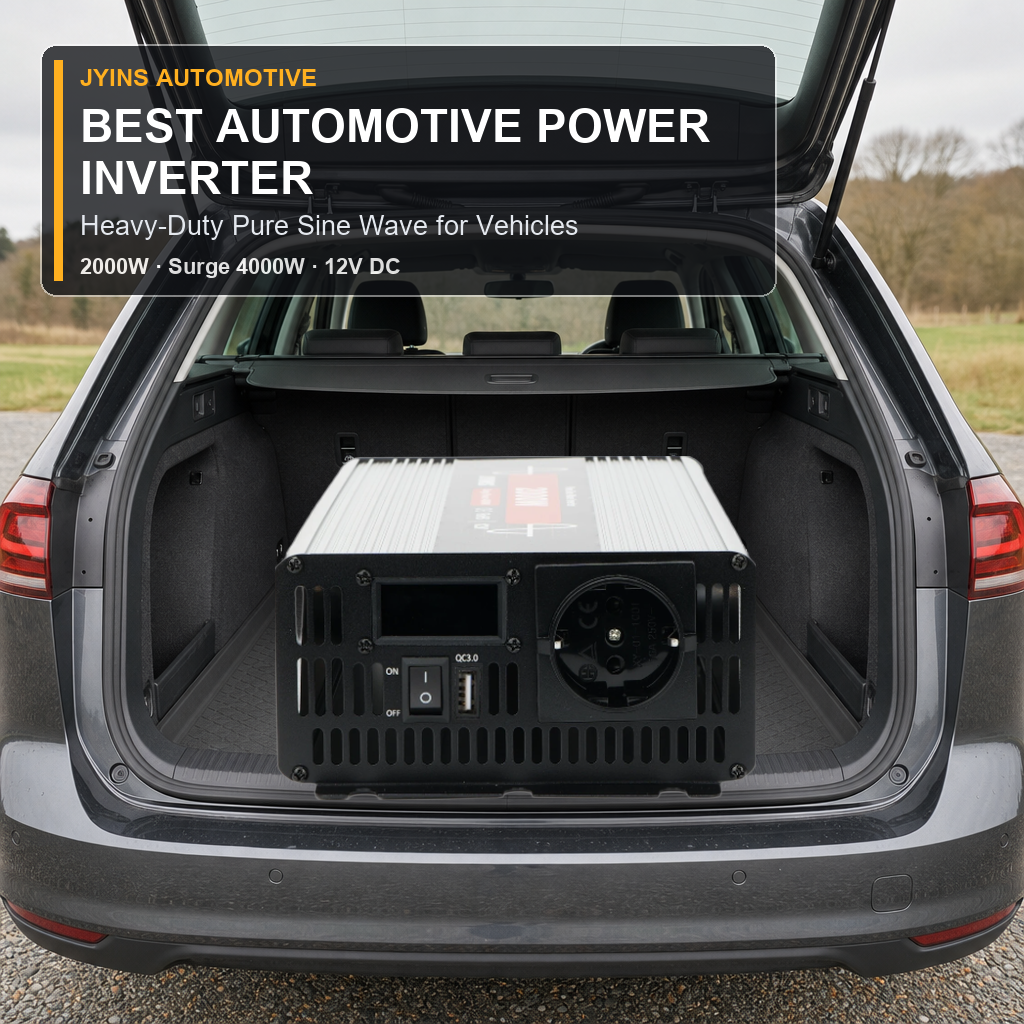
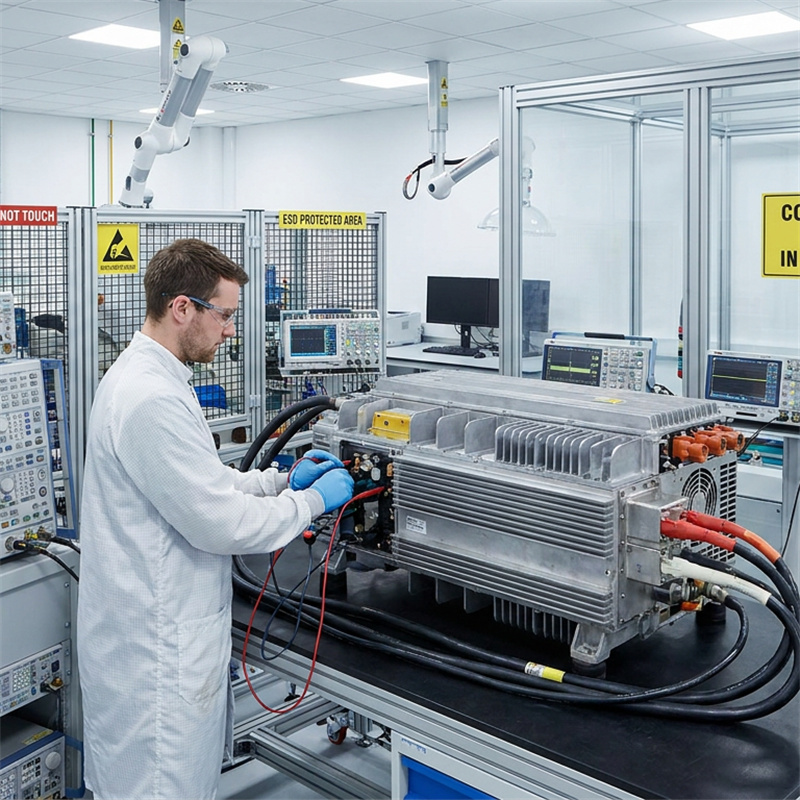
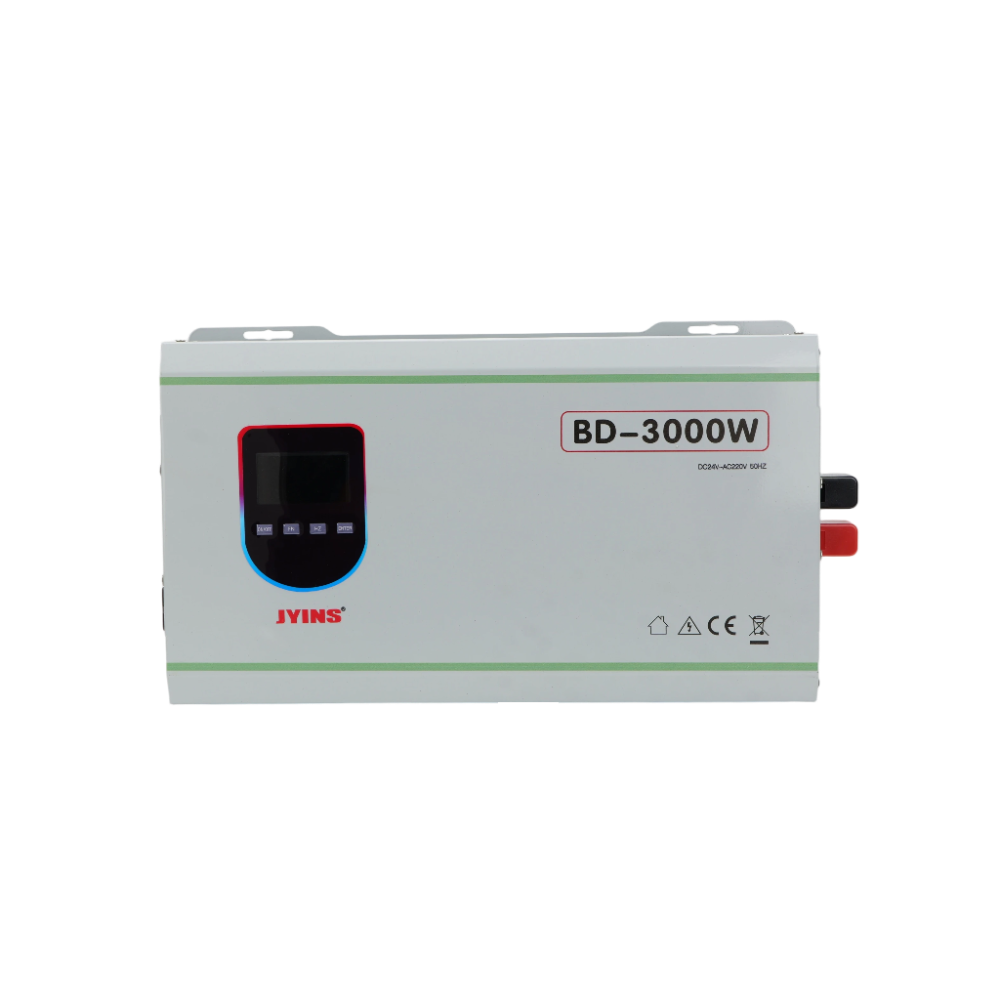
Automotive power  inverters are essential devices that convert DC power from a vehicle's battery into  AC  power,  allowing various electronic devices  to operate  while  on the go. For B2B buyers, such as  distributors, purchasing managers, and engineers, selecting the best  automotive  power  inverter involves understanding product specifications,  reliability, and application  suitability. This article  will  provide  insights into key  specifications, sourcing options, cost factors, applications,  and  common issues related to automotive power inverters, helping  you make informed purchasing decisions.
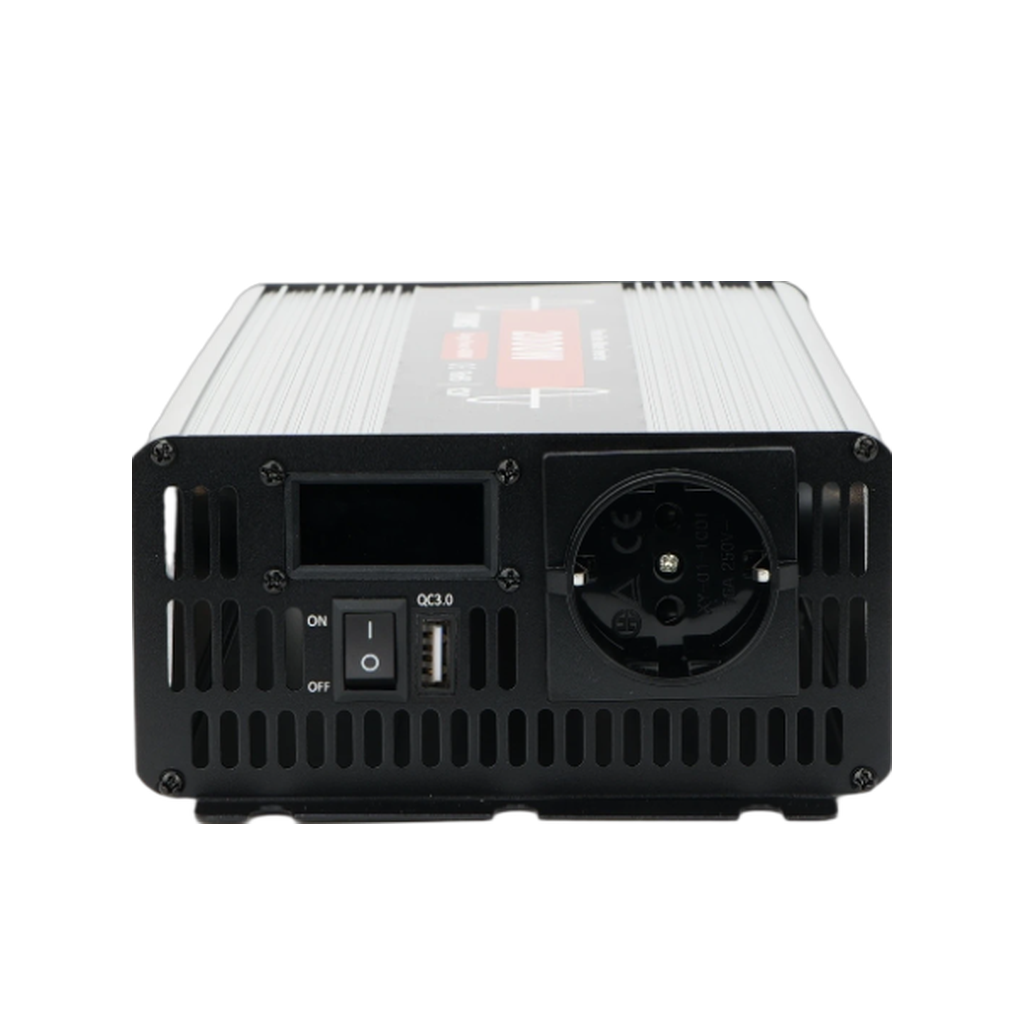
Where to Source Reliable Automotive Power Inverters for Distribution

Where to Source Reliable Automotive Power Inverters for Distribution

Sourcing high-quality automotive power inverters  requires working with reputable manufacturers and suppliers.  Here  are some strategies:

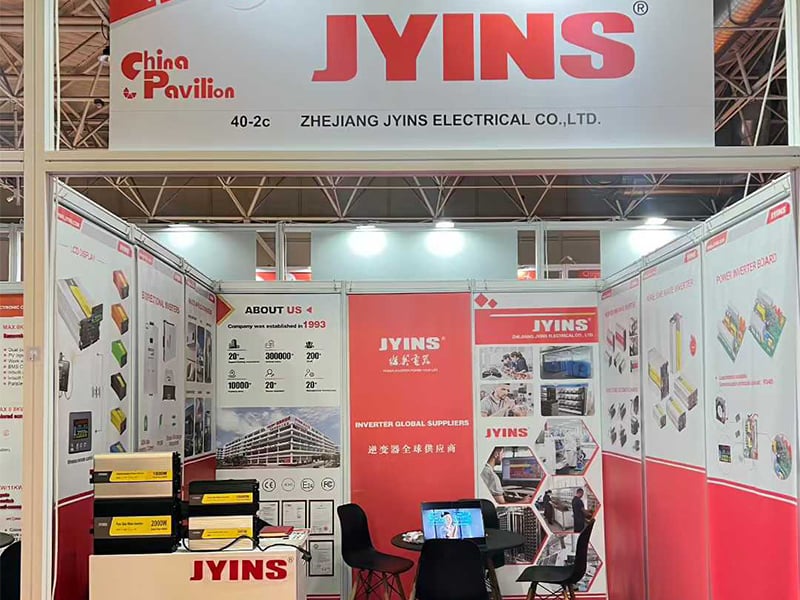
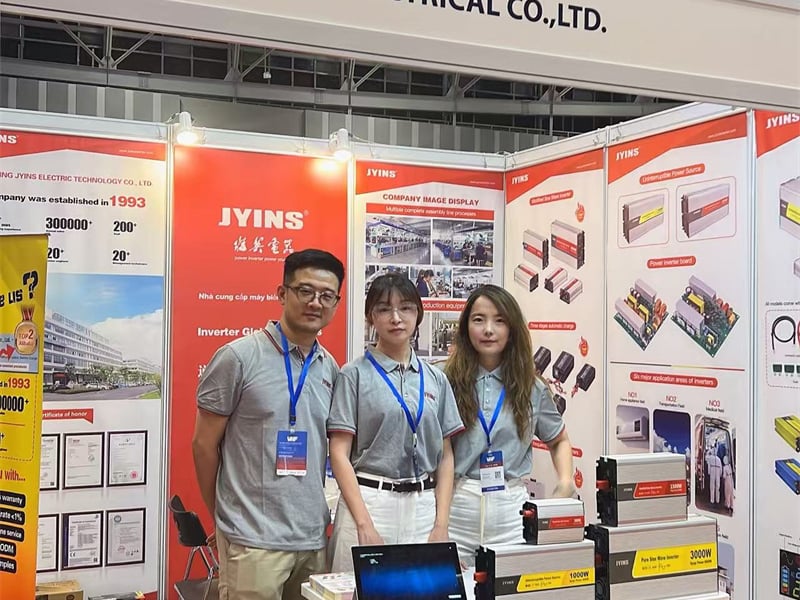
Industry  Trade  Shows: Attending automotive and electronics trade  shows can provide direct access to manufacturers, allowing  you to evaluate products firsthand and discuss specifications in detail.

Online Marketplaces and Directories: Utilize platforms that specialize in B2B  transactions,  such as Alibaba or ThomasNet, to  find verified suppliers. Check ratings and reviews  to ensure  reliability.

Manufacturer Relationships: Establish  direct relationships with manufacturers  like Zhejiang Jyins Electrical Co., LTD, known for  their commitment  to quality and ISO9000 standards. This relationship can lead to better pricing and customization options. For instance, exploring options like Battery Charger may provide additional benefits.

Networking with Industry Peers: Engaging with industry contacts can provide insights into  trusted suppliers and recommendations based on firsthand  experience.

Requesting  Samples: Before placing bulk orders, request samples to evaluate the inverter’s performance and compatibility with your  intended applications.
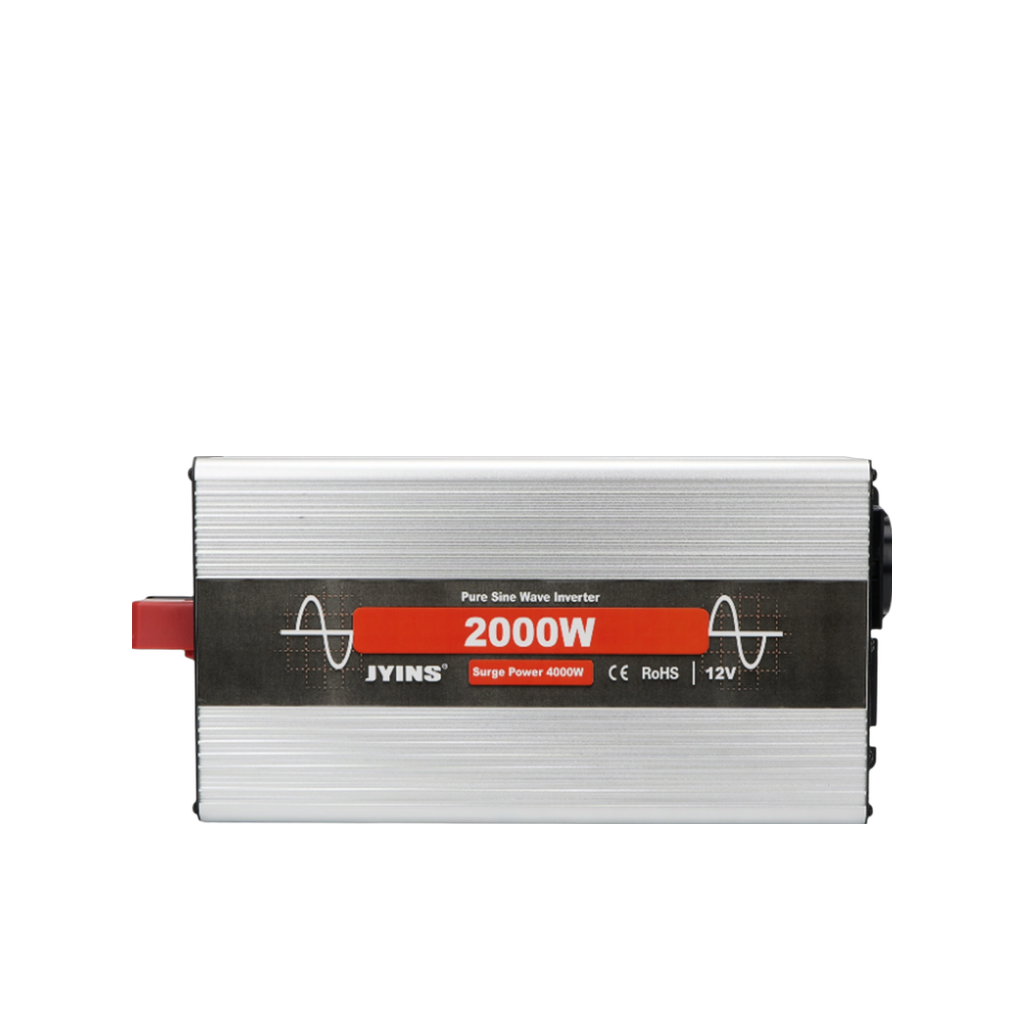
Understanding the Cost Factors of Automotive Power Inverters

Understanding the Cost Factors of Automotive Power Inverters

The price of automotive power inverters can  vary significantly based on several factors:

Specifications and Features: Inverters with higher wattage, pure sine wave output, and multiple  safety features will typically cost more. Clearly define your requirements  to avoid overpaying for  unnecessary features.

Manufacturing Quality: Manufacturers who follow strict quality  assurance protocols, like Zhejiang Jyins Electrical Co., LTD, may charge a premium, but this  often translates to  better performance and longevity.

Customization Needs: If you require specific features or modifications,  this may affect the price. Discuss customization options early in the  sourcing process to understand  potential cost implications.

Order Volume:  Purchasing in bulk can lead  to significant  cost savings. Many manufacturers offer discounts based on order quantity, so consider your long-term  needs  when negotiating prices.

Shipping  and Import Duties: Factor in shipping costs and any applicable import duties, as  these can impact  the overall price. Evaluate local suppliers to reduce shipping costs and lead times.

Applications of Automotive Power Inverters in Various Industries

Applications of Automotive Power Inverters in Various Industries

Automotive power inverters  have diverse applications across  numerous industries:

Transportation: In trucks and vans, inverters allow drivers to  power GPS systems,  laptops, and other  electronic  devices necessary for logistics and  navigation.

Construction: Power tools on  construction sites often require AC power. Inverters enable workers to use tools such as  drills, saws,  and generators  directly from their vehicles.

Emergency Services: First responders utilize inverters to power medical equipment, communication devices,  and lighting in emergency situations, ensuring operational  readiness.

Recreational Vehicles: RV owners frequently use inverters to  power appliances, entertainment systems, and other electronics, enhancing  their travel experience.

Marine Applications: Boats and  yachts utilize inverters to operate onboard equipment and appliances, providing convenience  and comfort while out on the water.

Understanding these applications can  help buyers  select  inverters that best meet their specific industry needs.

Common Problems with Automotive Power Inverters and Their Solutions

Buyers should be aware  of common issues that  can arise with automotive power  inverters and their potential solutions:

Overheating: Inverters can overheat if overloaded or  inadequately ventilated. Ensure proper installation with adequate airflow and avoid exceeding the inverter’s wattage capacity.

Incompatibility with Devices:  Some  sensitive electronics may not function  properly with modified sine  wave inverters.  For critical  applications, invest in pure sine wave models to ensure compatibility.

Poor Connections: Loose  or corroded connections can lead to  performance issues. Regularly  check wiring and terminals to ensure secure and  clean connections.

Battery Drain: Inverters draw power from the vehicle’s battery, which can lead  to depletion. If using the inverter for extended periods, consider using an  auxiliary battery system to prevent draining the primary battery.

Inconsistent Power Supply: Sudden fluctuations in power may disrupt connected devices. Look for inverters with built-in voltage regulation to maintain a steady output.

By being aware  of  these  common problems and  their solutions, buyers can ensure smoother operations and longer-lasting performance from their automotive power inverters.

Key Specifications of High-Quality Automotive Power Inverters

When evaluating automotive power inverters, several key specifications should be considered:

Power Output: The inverter's wattage rating is  critical. Higher wattage allows for  more devices to  be powered simultaneously. It's essential to match the inverter’s output  with the  total wattage of the  devices you plan to use.

Input Voltage: Most automotive inverters are designed to operate at 12V DC,  but some may support 24V  systems. Ensure the inverter matches  the vehicle’s electrical system to avoid operational  issues.

Output Waveform: Inverters can output either pure  sine wave or modified sine wave. Pure sine wave inverters are preferable for sensitive electronics, providing cleaner power, while modified sine wave inverters  are  typically less expensive and suitable for  less sensitive devices. If you are considering a Solar Inverter, it’s important to note that pure sine wave models are often recommended for optimal performance.

Efficiency Rating: The efficiency of an inverter indicates how well it converts DC to AC power. A higher efficiency rating means less energy loss. Look for inverters with efficiency ratings above 90%.

Safety Features: Features  such as short circuit protection, overload  protection, and  thermal shutdown are essential for preventing  damage to both the inverter and connected devices.

Selecting an  inverter that meets these specifications will ensure reliable performance and compatibility with  your applications.

Our Blog Posts

How to Match Inverter Power Rating with Inductive Load Requirements

08

Apr

How to Match Inverter Power Rating with Inductive Load Requirements

Choosing the right inverter for your inductive load is very important thing. Inductive load mean stuff with coils like motors or transformers, they need extra power at starting time. This extra power call starting current or inrush current. If your i...
View More
The Impact of Waveform Quality in Power frequency inverters

14

May

The Impact of Waveform Quality in Power frequency inverters

Waveform quality in power frequency inverters are important topic for anyone who into how electricity get made and used. Inverters change DC to AC, and this need because most appliances run on AC power. The waveform they make can affect devices alot,...
View More
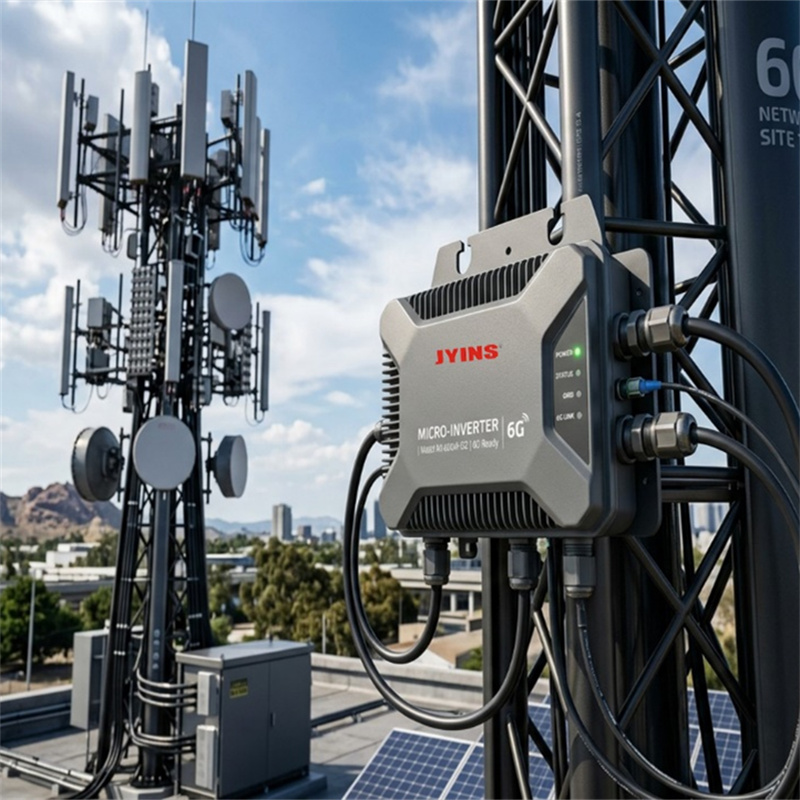
The impact of '6G Telecom' infrastructure on the technical specs of future outdoor micro-inverters.

24

Jun

The impact of '6G Telecom' infrastructure on the technical specs of future outdoor micro-inverters.

The Impending Arrival of 6G and the Power Challenge While the deployment of 5G telecommunication networks is still ongoing worldwide, researchers, standardization bodies, and leading technology firms are already laying the technical foundations for t...
View More
Why is IEC 62109-1/2 certification the gold standard for global inverter safety?

25

Jun

Why is IEC 62109-1/2 certification the gold standard for global inverter safety?

Introduction: The Imperative of Safety in High-Voltage Electronics In the world of B2B electrical procurement, safety is not merely a box to be checked; it is the cornerstone of project viability and corporate risk management. Power inverters are com...
View More

Get a Free Quote

Our representative will contact you soon.
Email
Mobile
Name
Company Name
Products of Interest
Message
0/1000
Best Automotive Power Inverter for Reliable Performance

Get a Free Quote

Our representative will contact you soon.
Email
Mobile
Name
Company Name
Products of Interest
Message
0/1000