Choosing the Right 12V Auto Battery Charger

Get a Free Quote

Our representative will contact you soon.
Email
Mobile
Name
Company Name
Products of Interest
Message
0/1000

12v auto battery charger

The  12V  auto battery charger  is an essential tool  for maintaining  and charging  automotive batteries, particularly in  off-grid applications where solar products  are  prevalent. For B2B buyers, such as purchasing managers and engineers, understanding how to select the  right charger,  evaluate suppliers, and  ensure quality is  critical to avoid costly mistakes. This  article will guide you through  choosing  the  right 12V auto battery charger for bulk orders, sourcing  reliable suppliers, understanding cost factors,  and emphasizing quality control  in manufacturing. You may also want to consider using a Battery Charger that suits your specific needs.

Where to Source Reliable Suppliers for 12V Auto Battery Chargers

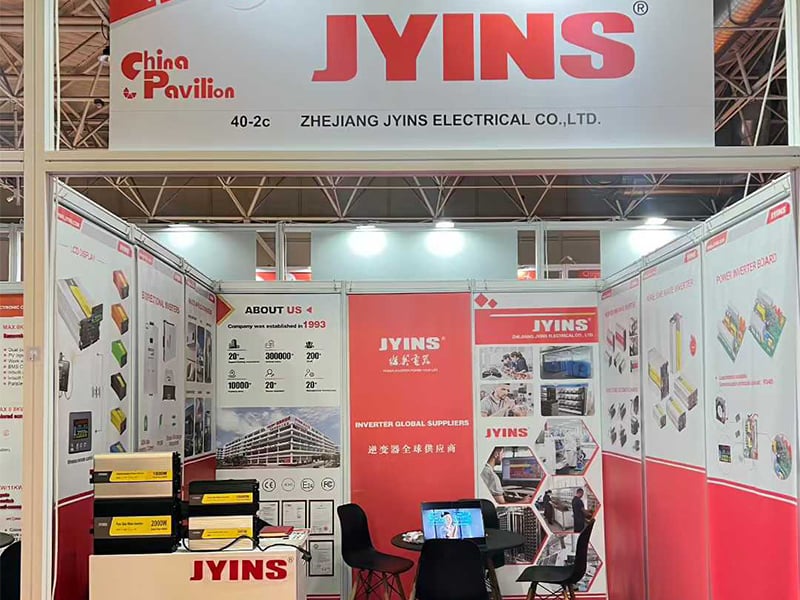
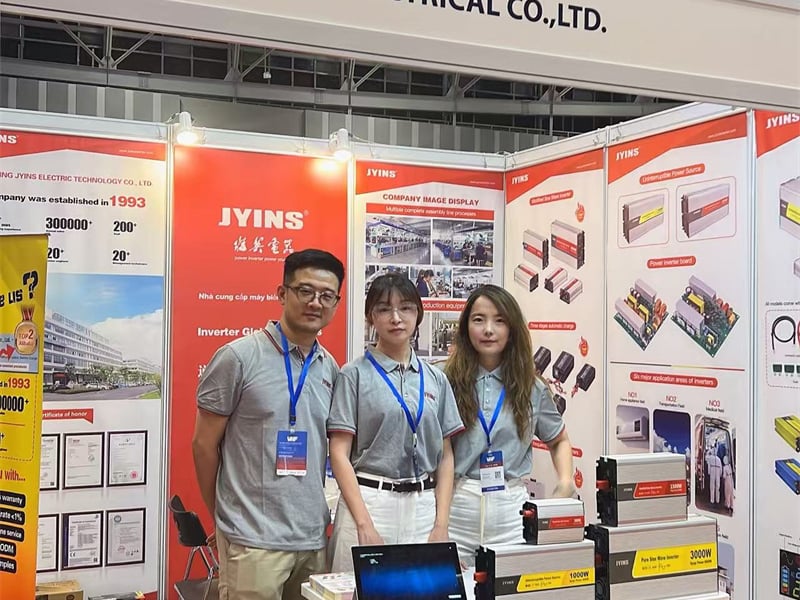
Finding reliable suppliers for  12V  auto battery chargers involves evaluating potential manufacturers based on their experience, certifications, and production capabilities. Start by considering suppliers like Zhejiang Jyins Electrical Co., LTD, known for producing high-quality off-grid solar  products  and adhering to international ISO9000 standards.


Key  steps to identify dependable suppliers include:

Research and Reviews: Look for suppliers with positive reviews and a  strong  track record in the industry.  Trade  shows and industry publications can provide  insights into reputable manufacturers. Certifications: Verify that the supplier holds relevant certifications, such as ISO9001, indicating a commitment to quality management. Production Capabilities: Assess the supplier’s  manufacturing capabilities, including their use of modern production  equipment and quality control processes.  This ensures they can meet your volume and quality requirements.  Communication:  Effective communication is vital. A supplier who is responsive  and willing to provide detailed  information about their products and processes  can help establish a strong working relationship.

By diligently vetting potential suppliers,  you can mitigate risks associated with quality and delivery timelines.
Understanding the Cost Factors of 12V Auto Battery Chargers

The cost of 12V auto battery chargers can vary significantly based on several  factors, impacting your purchasing decisions. Understanding these elements will help  you negotiate better and make informed decisions:

  Material Costs: The choice of materials used  in the charger's construction,  such as plastics,  metals, and electronic components, has a direct impact on cost. Higher-quality materials may  increase the initial price but  can lead to better  durability and performance. Production Volume: Manufacturers often offer  lower prices for bulk orders. Understanding the minimum order quantities (MOQ)  and negotiating bulk pricing  can lead to significant cost savings. Customization and Features: Chargers with advanced  features  like  smart technology or  specific certifications may come at  a premium. Assessing whether these features are necessary  for your application can help manage costs. Shipping and Import Fees: Depending on your location and the supplier’s base, shipping costs can vary.  Consider these additional expenses when budgeting for your  orders.

By analyzing these factors, you can better predict your total costs and align them with your budget and operational needs.

Why Quality Control Matters in 12V Auto Battery Charger Manufacturing

Quality  control is paramount in the  manufacturing  of  12V auto battery chargers,  as poor-quality products can lead to performance issues and customer dissatisfaction. Implementing rigorous quality assurance processes helps ensure that each charger meets industry standards and performs reliably.

Key quality control measures include:

Material Inspection: Before production, raw materials should undergo thorough inspection to ensure they meet specified standards.  This includes checking for defects or inconsistencies that could affect  the final product. In-Process Testing:  Regular testing during the manufacturing process helps identify issues early, reducing waste  and  rework. This can include checking electrical performance  and safety features. Final Product Testing: Once assembled, each charger should be tested for compliance with performance specifications. This includes verifying that safety features  function correctly and  that the charger operates as intended under various conditions. Feedback Loop: Establishing  a  feedback loop  with customers  can help identify areas for  improvement in both product design and  manufacturing processes.

By prioritizing quality control, manufacturers can enhance product reliability and foster trust among B2B buyers.


Best Practices

To effectively procure 12V auto battery chargers, consider the  following best practices:

Request Samples: Always request samples before placing bulk orders. This  allows you to evaluate the product's  performance and compatibility  with your requirements. Detailed RFQs: Provide detailed specifications in your RFQs, including desired  features, expected performance, and  any customization needs.  This helps suppliers provide accurate quotes and reduces misunderstandings. Visit Manufacturing Facilities: If possible, visiting the supplier's manufacturing facility  can provide firsthand  insight into their production capabilities and quality control processes.  Review  Warranty and Support: Understand the warranty terms and  after-sales support offered by the supplier. This can  be crucial if any issues arise post-purchase. 

By  following these best practices, you can enhance your procurement process  and ensure that  you acquire high-quality  12V  auto battery chargers that  meet your operational needs. Additionally, considering a Solar Inverter could greatly benefit your solar energy needs.

How to Choose the Right 12V Auto Battery Charger for Bulk Orders

Selecting the right 12V auto battery charger requires a thorough understanding of  your specific requirements and the preferences of your target market. Key considerations include the charger's output current,  compatibility  with different battery types  (e.g., lead-acid, lithium-ion), and any special features such as solar compatibility or smart  charging  technology.

When placing bulk orders, it’s essential to confirm the  following specifications:

Output Current: Higher output current can charge batteries faster but may not be  suitable for all battery types. Buyers should assess  the charging needs of the batteries they intend to use. Safety Features:  Overcharge and short circuit protection are crucial for preventing battery damage. Ensure the charger is compliant with safety standards. Durability: For  commercial use, especially in demanding environments, the charger  should be robust  and potentially weather-resistant. Customization Options: Some manufacturers offer customization in terms of branding  or specific functionality. Understanding your  needs in this area can lead to better alignment with your company’s requirements.

By specifying  these points clearly in your  requests for quotations (RFQs), you can streamline the procurement process and ensure that the  chargers  you receive meet  your operational needs.

Our Blog Posts

Why Power frequency inverters are Preferred for Inductive Load Stability

14

May

Why Power frequency inverters are Preferred for Inductive Load Stability

Power frequency inverters are handy devices in many industries. They help control electric machines that use magnets, like motors and transformers. These is called inductive loads. When machines run, they can cause issues like voltage drops or spikes...
View More
The RV Manufacturer’s Engineering Guide: Optimizing Power Conversion Systems for High-Vibration Environments

15

May

The RV Manufacturer’s Engineering Guide: Optimizing Power Conversion Systems for High-Vibration Environments

The RV Manufacturer’s Engineering Guide: Optimizing Power Conversion Systems for High-Vibration Environments For Recreational Vehicle (RV) manufacturers, the challenge of electrical system design is fundamentally different from residential or i...
View More
Why Bidirectional inverter PCB boards are Key to Smart Grid Integration

15

May

Why Bidirectional inverter PCB boards are Key to Smart Grid Integration

PCB boards used in bidirectional inverters are important for enabling the smooth functioning of smart grids. Smart grids are an improved type of power distribution system designed to manage supply and demand more efficiently, and integrate energy fro...
View More

Get a Free Quote

Our representative will contact you soon.
Email
Mobile
Name
Company Name
Products of Interest
Message
0/1000
Choosing the Right 12V Auto Battery Charger

Get a Free Quote

Our representative will contact you soon.
Email
Mobile
Name
Company Name
Products of Interest
Message
0/1000