EN


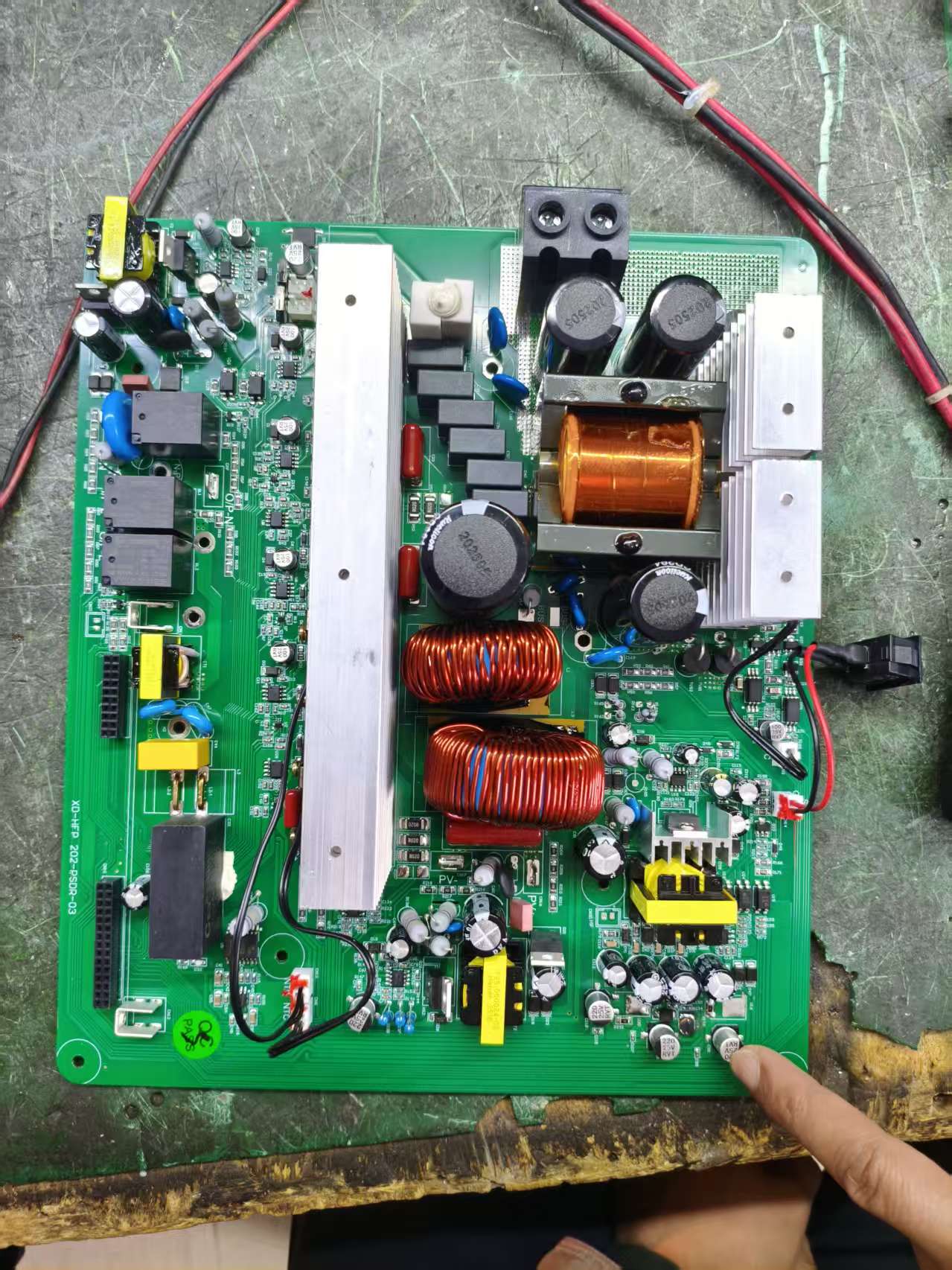
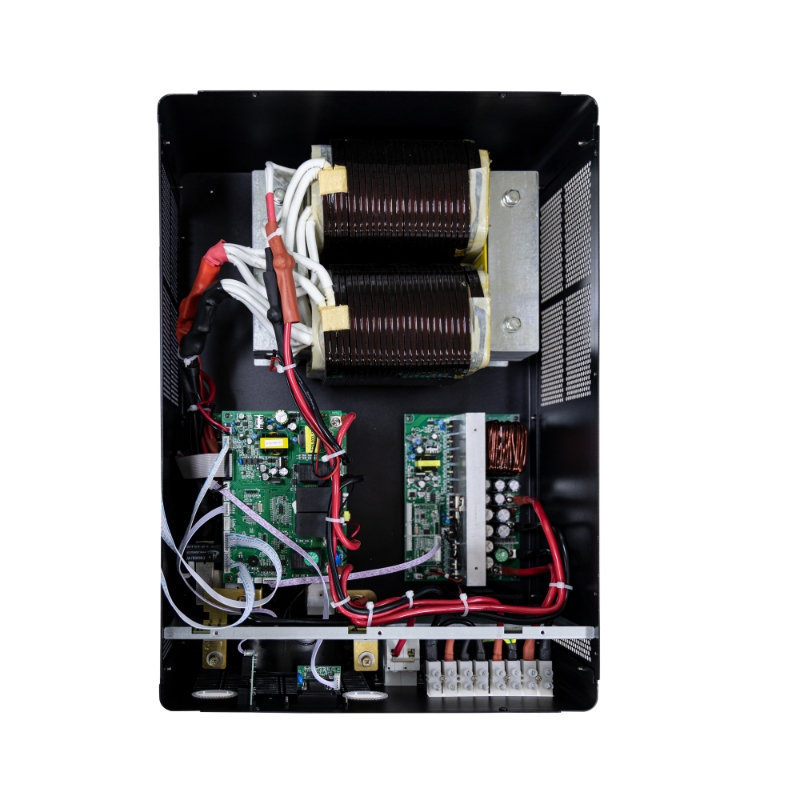
Choosing the right solar inverter PCB can be a critical decision for businesses involved in off-grid solar energy systems. A solar inverter PCB (printed circuit board) is essential for the functionality of solar inverters, which convert the direct current (DC) produced by solar panels into alternating current (AC) usable by homes and businesses. Buyers often have concerns about quality, compatibility, and cost when sourcing these components. This article aims to provide practical guidance to help purchasing managers, engineers, and product managers make informed decisions while selecting solar inverter PCBs.
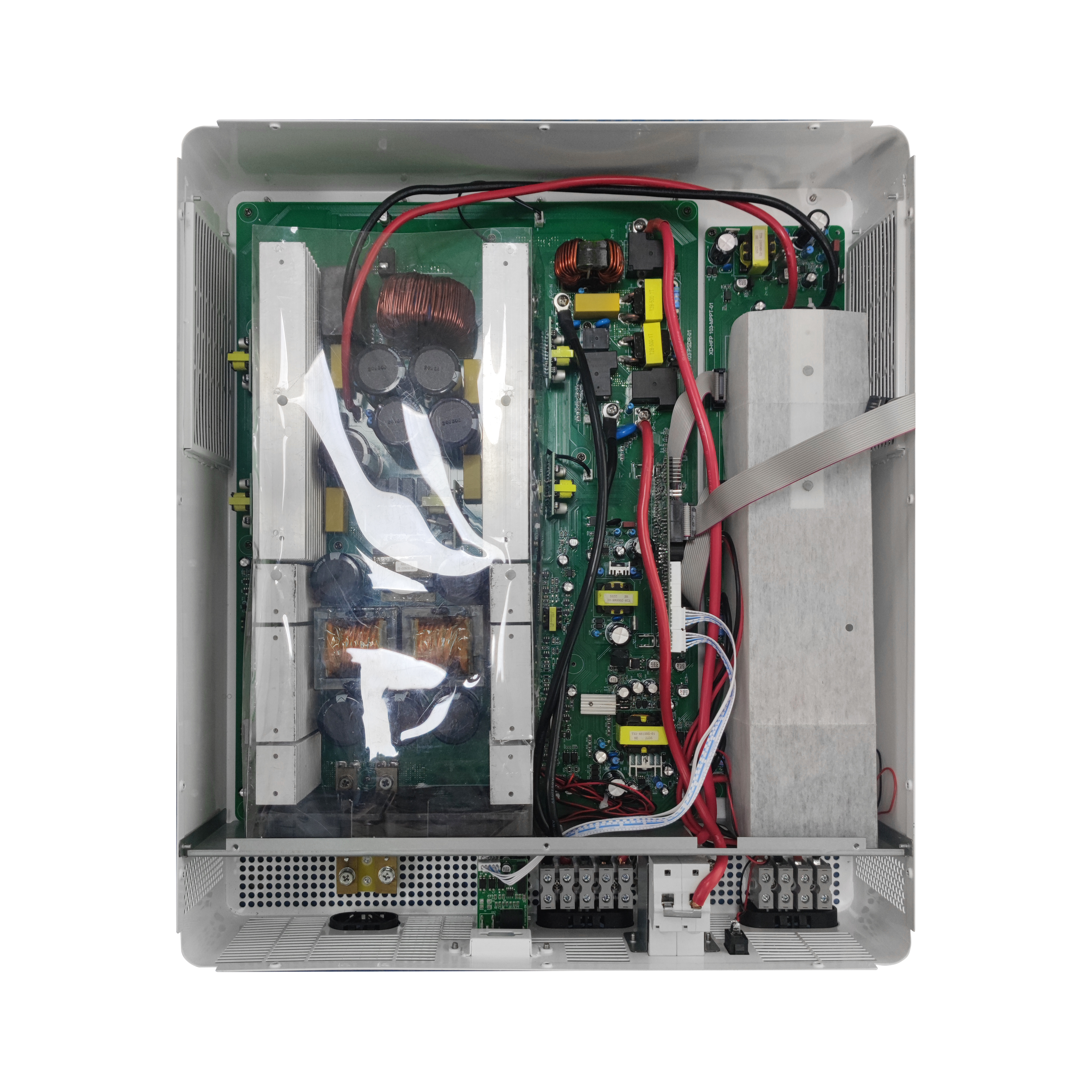
Specifications to Review for Solar Inverter PCB Selection
When reviewing specifications for solar inverter PCBs, several key parameters must be considered to ensure compatibility and performance. These include:
Material and Thickness: The material used in the PCB affects its durability and thermal conductivity. Common materials include FR-4 for general applications and aluminum for better heat dissipation. Thickness can impact both performance and cost, so it's essential to align these properties with your application requirements.
Layer Count: Solar inverter PCBs can have multiple layers (1 to 4 or more), which influence the complexity of the circuit design and the space available for components. More layers can allow for more sophisticated designs but may increase production costs.
Component Placement: Ensure that the PCB design accommodates the necessary electronic components such as capacitors, resistors, and connectors. The layout should facilitate efficient heat dissipation and minimize signal loss, which is crucial for inverter efficiency.
Quality Control Standards: Confirm the supplier’s quality assurance processes. Look for certifications that demonstrate their commitment to quality, such as IPC-A-610 for electronic assemblies, which ensures that PCBs meet industry standards for reliability.
Testing and Validation: Discuss the testing protocols the supplier follows to validate the performance of their PCBs. This includes thermal cycling tests and stress tests, which can give you confidence in the product's reliability.