Power Inverter PCB: Key Specifications and Quality

Get a Free Quote

Our representative will contact you soon.
Email
Mobile
Name
Company Name
Products of Interest
Message
0/1000

power inverter pcb

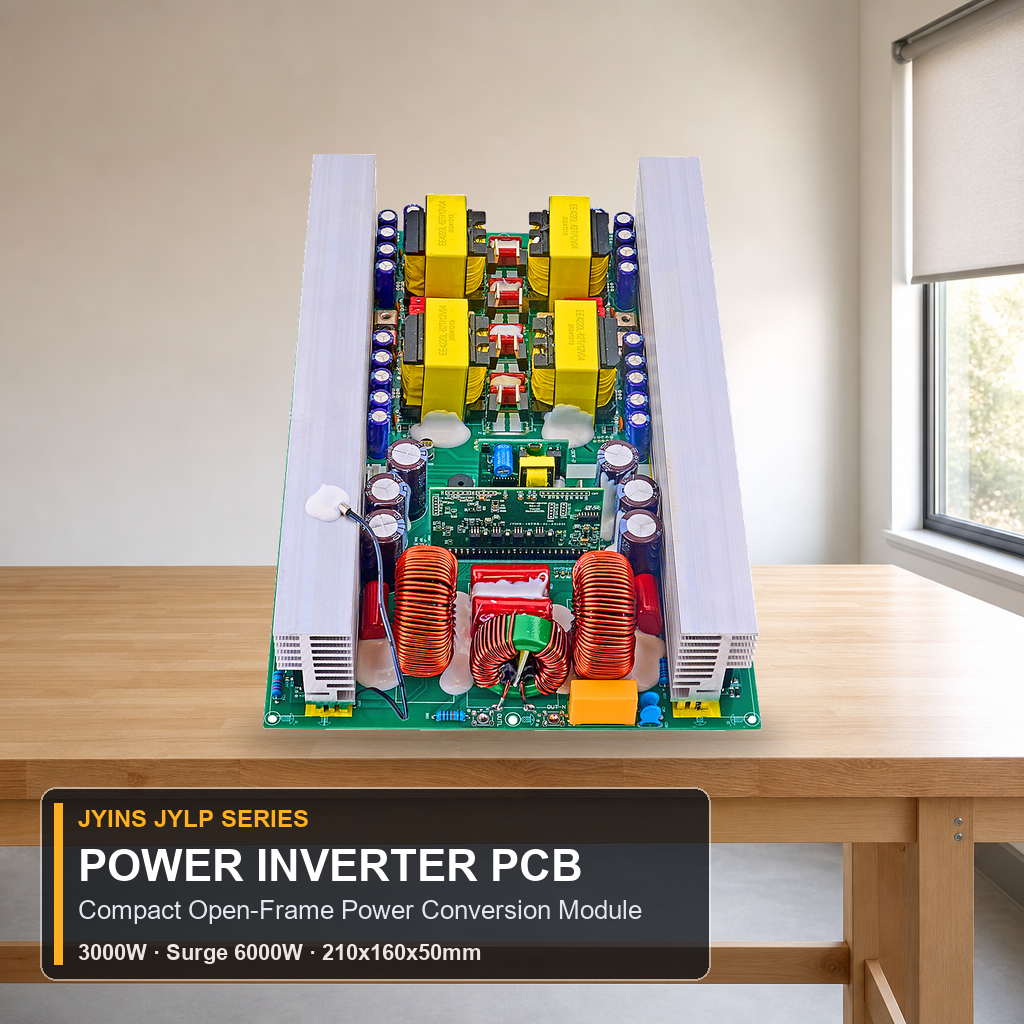
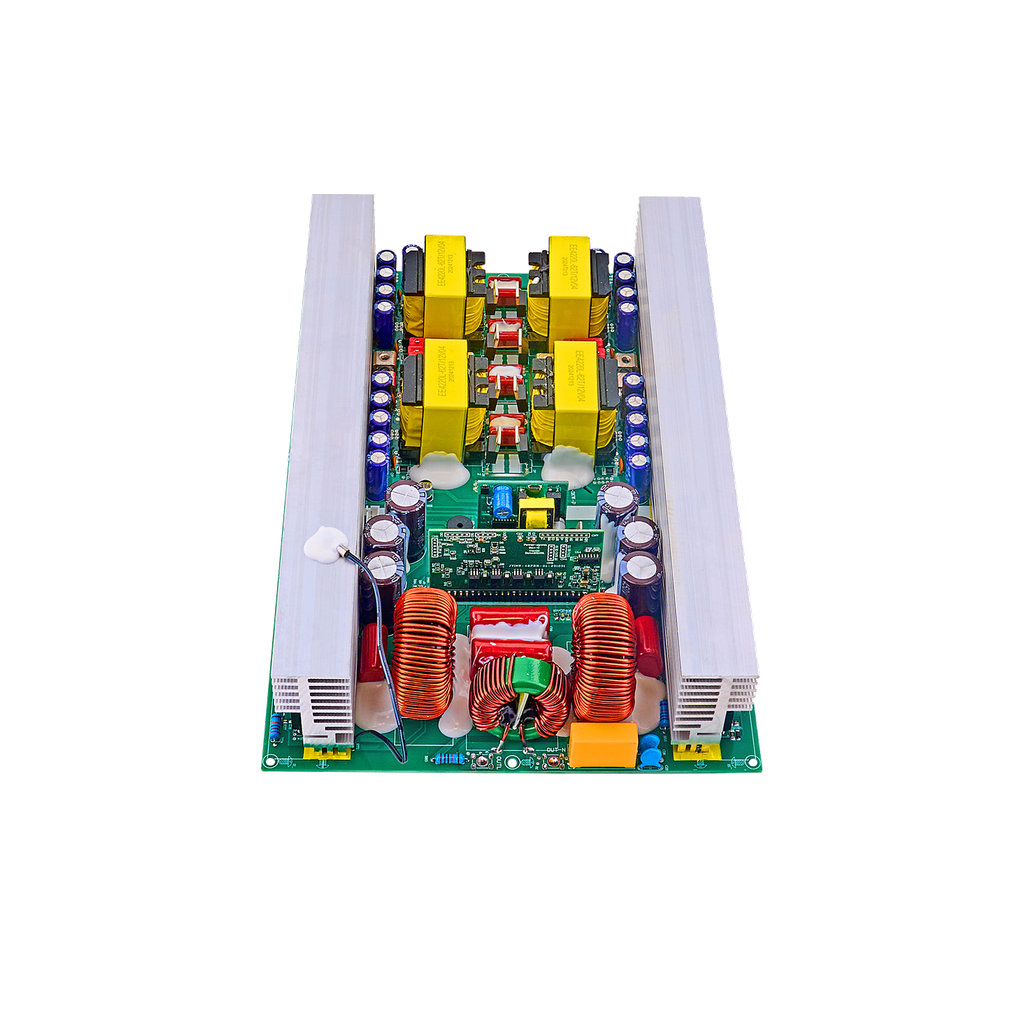
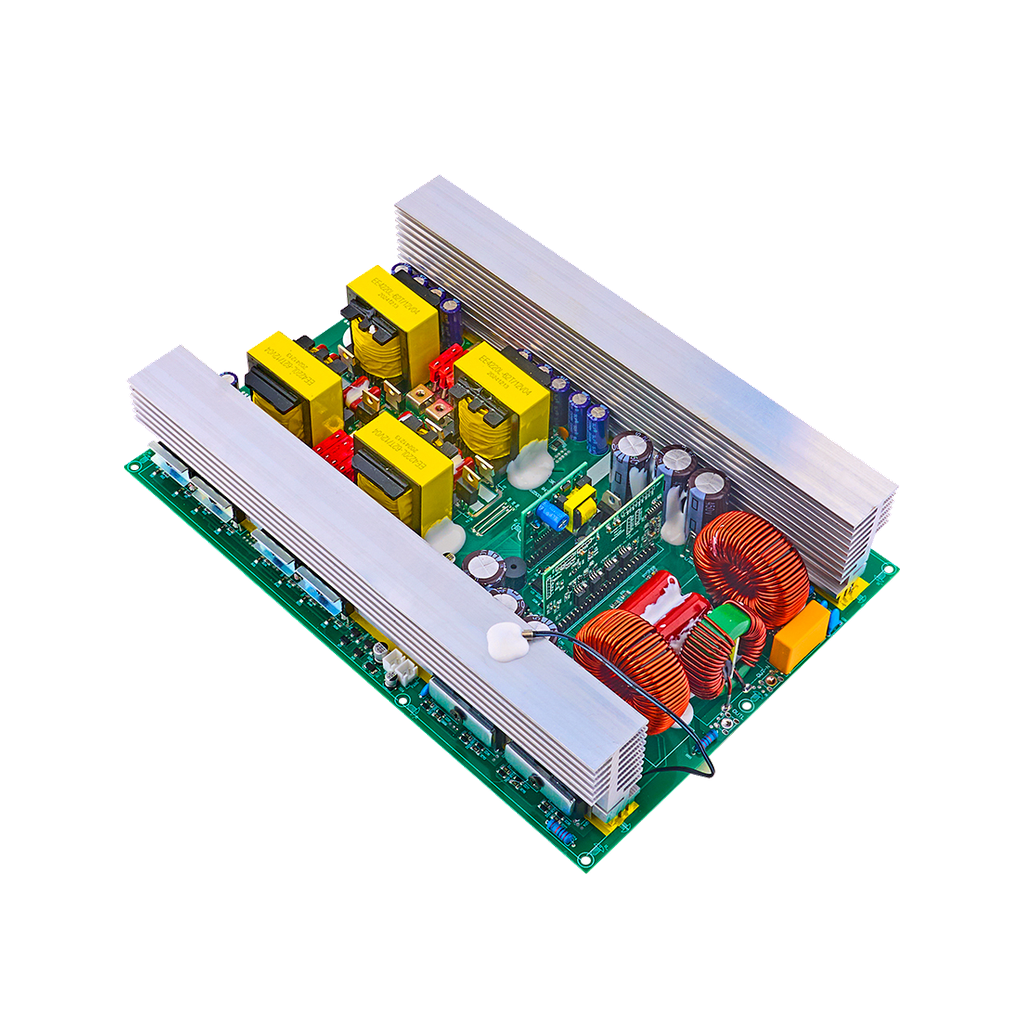
Power  inverter PCBs (Printed Circuit Boards) are essential components in off-grid solar systems, converting direct current (DC) from solar panels into  alternating current (AC) for use in various  applications. For B2B  buyers,  understanding the  technical specifications,  quality evaluation, and sourcing  considerations of power  inverter PCBs  is crucial for making  informed purchasing decisions. This article will  address key  factors to  consider,  explain  technical specifications, evaluate product quality, discuss cost factors, and highlight common  installation challenges in order to assist purchasing managers,  engineers,  and  product managers in their procurement process.
Technical Specifications of Power Inverter PCBs Explained

Technical Specifications of Power Inverter PCBs Explained

Power inverter  PCBs must meet specific  technical specifications that dictate their performance. Key specifications include:

Voltage Rating: This indicates  the maximum voltage the PCB can handle without breaking down. It is crucial to select a PCB with a voltage  rating that exceeds the maximum  voltage from  the solar panels to  ensure safety and  reliability.

Current Capacity:  This refers to the amount of current the PCB can  safely carry. It  is essential to evaluate the expected load and choose  a PCB that can handle the peak current demands without overheating.

Efficiency: This metric reflects how well  the power inverter converts DC  to AC. A higher efficiency rating means less energy loss during conversion, which is vital  for off-grid  applications where every watt counts.

Thermal Management: The design should include features that allow for effective heat dissipation,  such as copper thickness  and thermal vias. Poor thermal management can lead to premature failure, especially in high-load applications.

Understanding these  specifications helps buyers assess whether the PCB will be suitable for their specific application  and operational conditions.
Evaluating the Quality of Power Inverter PCB Products

Evaluating the Quality of Power Inverter PCB Products

Quality evaluation of power inverter PCBs involves several steps. First, buyers should request samples  to conduct  performance testing under actual operating conditions. This testing should  assess factors such as heat distribution,  efficiency, and overall  functionality  within the  intended system.

Next, reviewing the manufacturer's quality control processes is essential. Look  for  details on their  inspection methods, testing protocols, and any  certifications they hold. For  example,  Zhejiang  Jyins Electrical Co., LTD’s adherence to ISO9000 standards indicates a commitment to consistent quality management practices. Additionally, consider asking about their range of products, including options like the Battery Charger for your energy solutions.

Additionally,  buyers should inquire about the manufacturer's warranty and return policy. A robust warranty  can indicate confidence in the product's  durability and performance, while a flexible return policy provides security in case  of defects or  non-compliance with specifications.

Cost Factors to Consider When Sourcing Power Inverter PCBs

Cost Factors to Consider When Sourcing Power Inverter PCBs

Pricing for  power inverter PCBs can vary significantly based on multiple factors. Initially,  the material  costs play a crucial role; high-performance  materials  typically  command higher prices.  Customization requests,  such as unique  shapes or additional  features, can also impact cost.

Another important factor is the manufacturer's production capacity and efficiency. A manufacturer with advanced production equipment may  offer competitive pricing  due to lower operational costs and faster turnaround times. Always inquire about minimum order quantities (MOQs)  as well, since larger orders  often lead to reduced  per-unit costs.

Finally, consider the total cost of  ownership. While a lower initial price may seem attractive,  it  is essential to evaluate the long-term reliability and performance of the PCBs. Investing in higher-quality  components can lead to lower maintenance costs and improved system reliability over  time.

Common Installation Challenges with Power Inverter PCBs and Solutions

Installing power inverter PCBs can  present various challenges, especially in complex  systems. One  common issue is ensuring proper thermal management during  installation. If the PCB is not adequately cooled, it can lead to overheating and failure. To mitigate this,  ensure that the installation environment allows for proper airflow, and consider using heatsinks or thermal pads  as needed.

Another challenge is  compatibility  with  existing systems. Buyers should verify that the PCB's dimensions and mounting options align with their current setup. This may involve checking specifications against existing components to avoid installation delays.

Lastly, improper  handling during installation can cause damage to the  PCB. It's critical to follow the manufacturer's guidelines for handling and installation, which often include  specific instructions for soldering and connection to other components.  Proper training for installation personnel can also reduce errors and enhance overall performance.

Understanding these challenges and their  solutions can  significantly improve the installation process  and ensure optimal performance of the  power inverter  PCB  in the field.

What to Consider

When sourcing power inverter PCBs, several  key factors must be taken into account to ensure the product meets  application requirements. First, the intended  application should  guide the  selection of specifications such as voltage rating, current capacity, and  efficiency. Buyers should  also consider environmental factors such as temperature and humidity, as these can affect the performance and reliability of the PCB in the  field.

Material  selection is another  critical aspect. Common materials for power inverter PCBs include FR-4, a glass-reinforced epoxy laminate, which offers a  good balance of  thermal stability and electrical insulation. For high-performance applications,  buyers might look at materials such as polyimide or aluminum substrates, which can withstand higher temperatures and  provide better heat dissipation.

Additionally, understanding manufacturing capabilities is important. Inquire about the manufacturer's equipment, certifications, and quality control  processes to ensure they can meet your specific requirements. For instance,  Zhejiang Jyins  Electrical  Co., LTD adheres to international ISO9000 standards,  providing a basis for trust in their manufacturing practices and product quality. You may also want to consider using a Solar Inverter in conjunction with your power inverter PCB for enhanced performance.

Our Blog Posts

Factors Affecting the Lifecycle of Lead-acid based Energy storage systems

09

Apr

Factors Affecting the Lifecycle of Lead-acid based Energy storage systems

Lead-acid batteries they are really important in our energy setups. They keep electricity stored and help run many things, from cars to home backup power. But how long these batteries actually last depend on few different factors. Knowing this s...
View More
The Role of Bidirectional inverter PCB boards in EV Charging Stations

14

May

The Role of Bidirectional inverter PCB boards in EV Charging Stations

Bidirectonal inverter PCB boards plays a big role in electric vehicle (EV) charging stations. They handle how energy move between the station and EV. This mean they send power to EV when charging, and they can send power back to grid from EV too. Thi...
View More
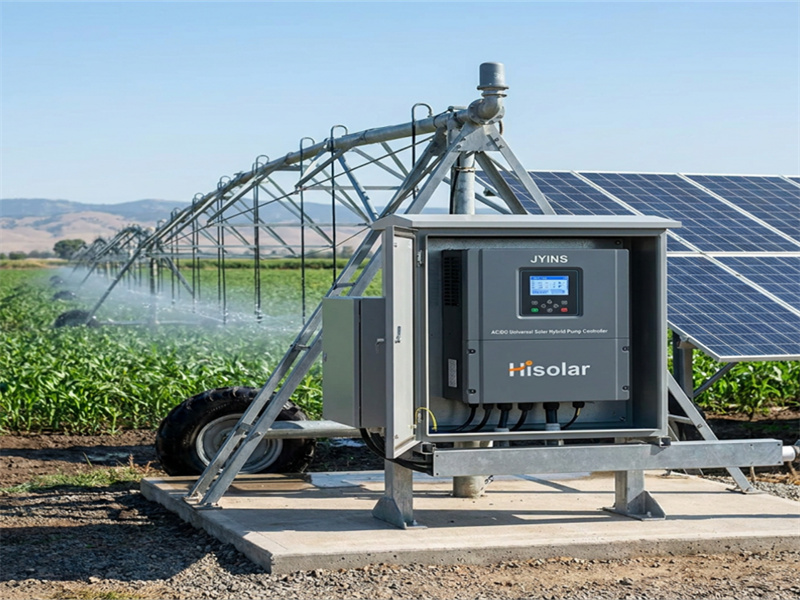
Agricultural Automation: Selecting AC/DC Universal Solar Hybrid Pump Controllers for Large-Scale Irrigation

15

May

Agricultural Automation: Selecting AC/DC Universal Solar Hybrid Pump Controllers for Large-Scale Irrigation

Agricultural Automation: Selecting AC/DC Universal Solar Hybrid Pump Controllers for Large-Scale Irrigation In the modern era of industrial agriculture, water management is the most significant operational challenge and expense. As energy costs fluct...
View More
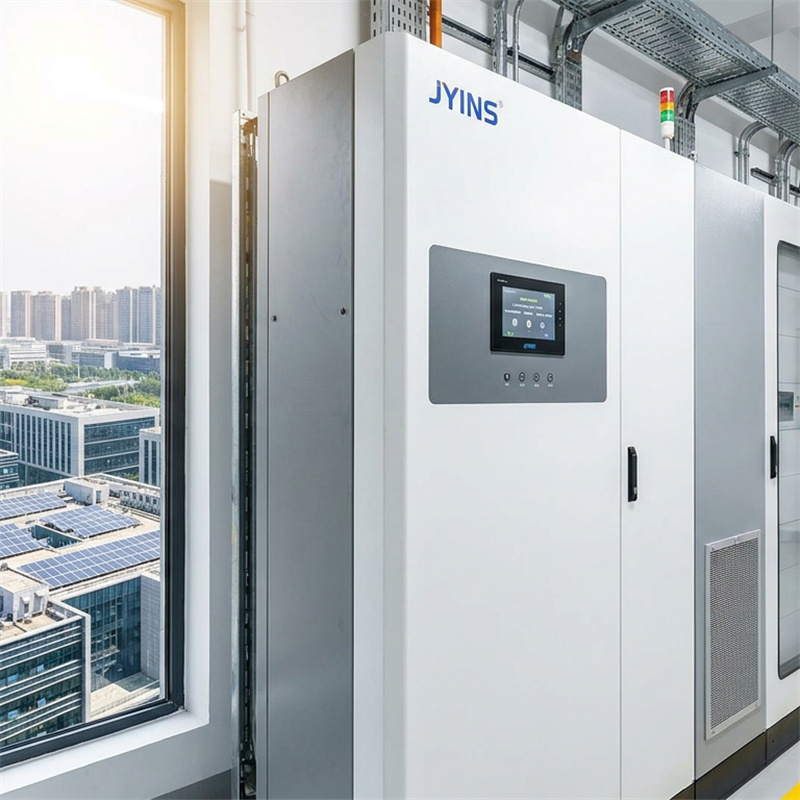
Designing 'Zero-Export' solar hybrid systems for commercial office buildings.

25

Jun

Designing 'Zero-Export' solar hybrid systems for commercial office buildings.

Q: Designing 'Zero-Export' solar hybrid systems for commercial office buildings. Introduction: The New Energy Landscape for Urban Office Buildings Commercial office buildings in major cities are facing a dual challenge. On one hand, corporate tenants...
View More

Get a Free Quote

Our representative will contact you soon.
Email
Mobile
Name
Company Name
Products of Interest
Message
0/1000
Power Inverter PCB: Key Specifications and Quality

Get a Free Quote

Our representative will contact you soon.
Email
Mobile
Name
Company Name
Products of Interest
Message
0/1000