EN
EN


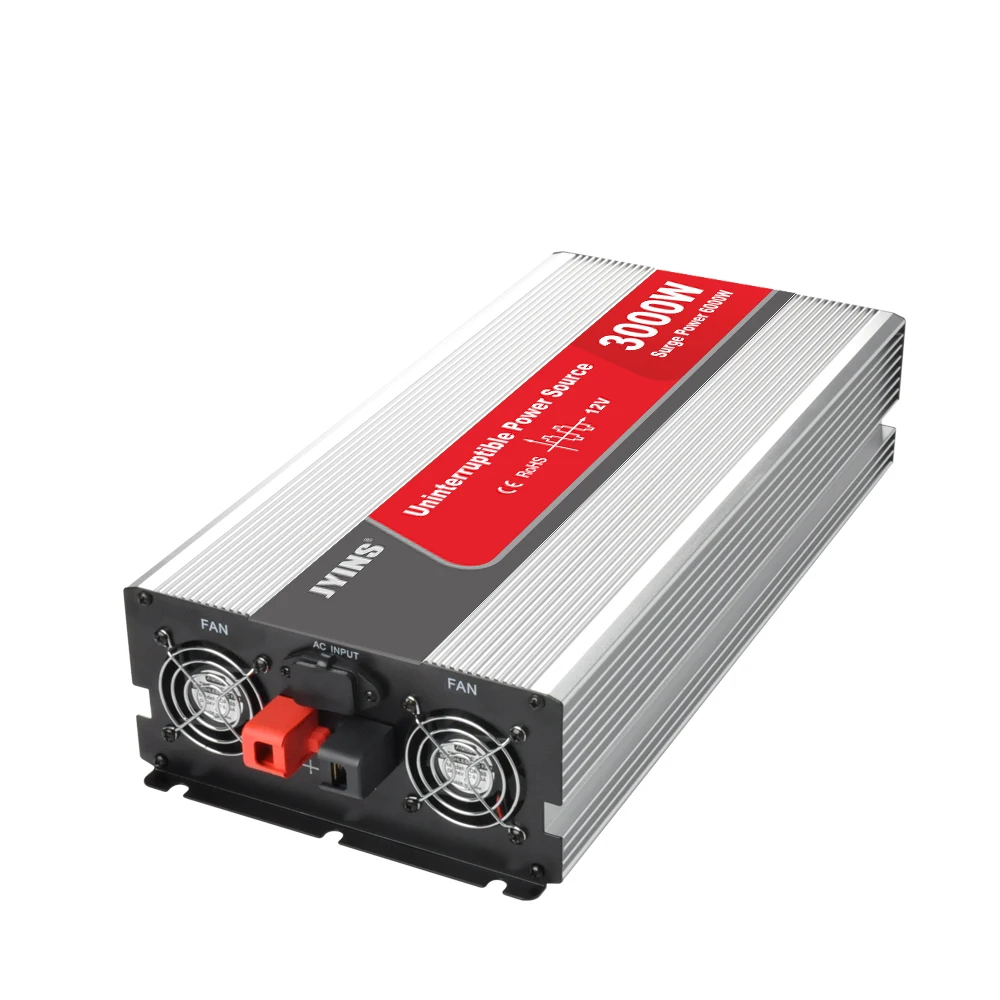
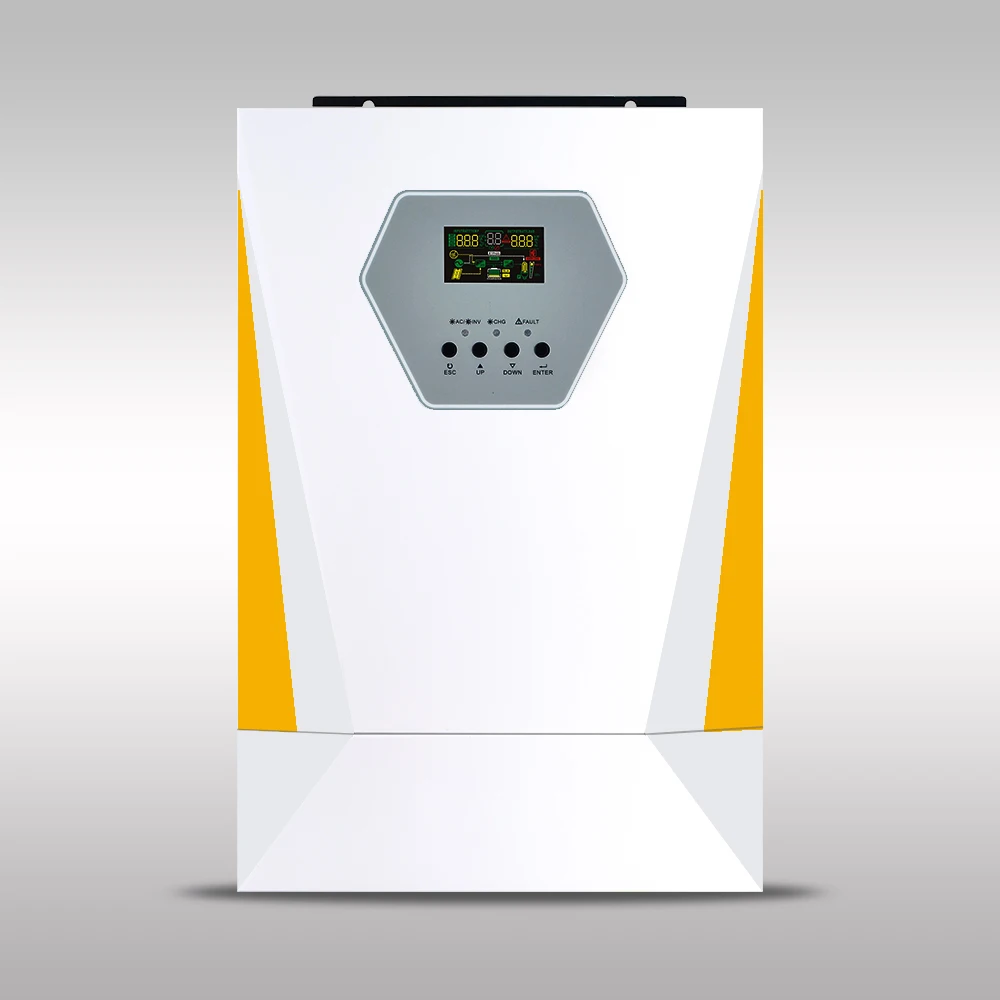
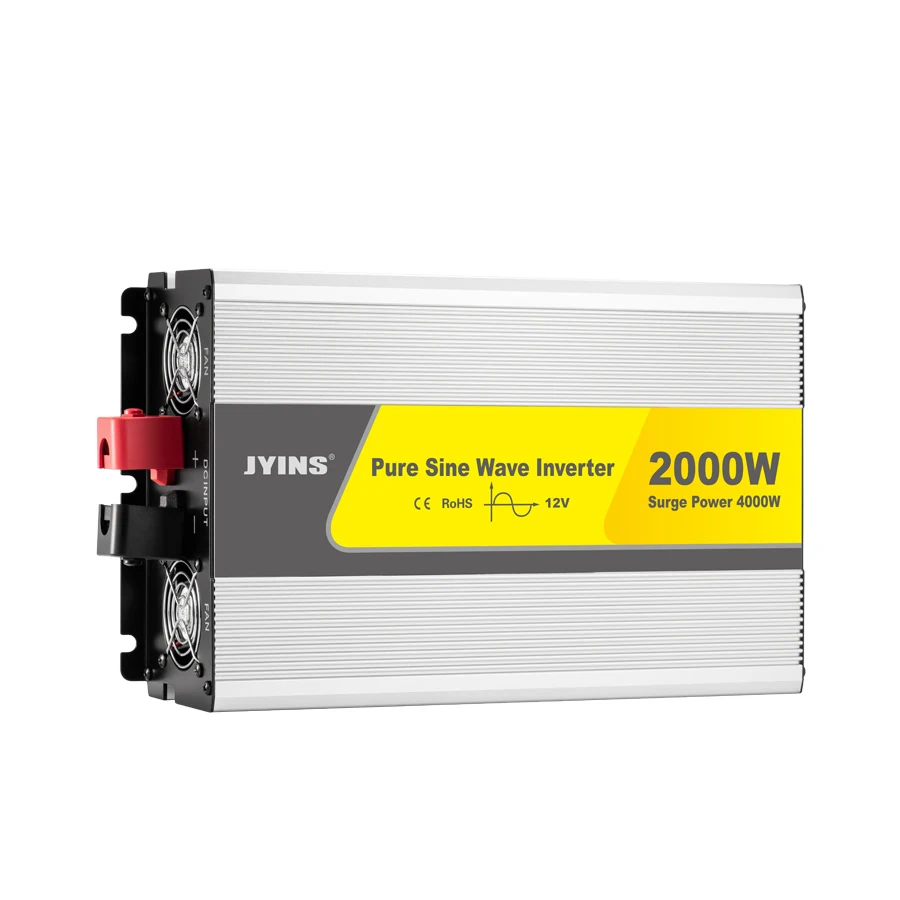
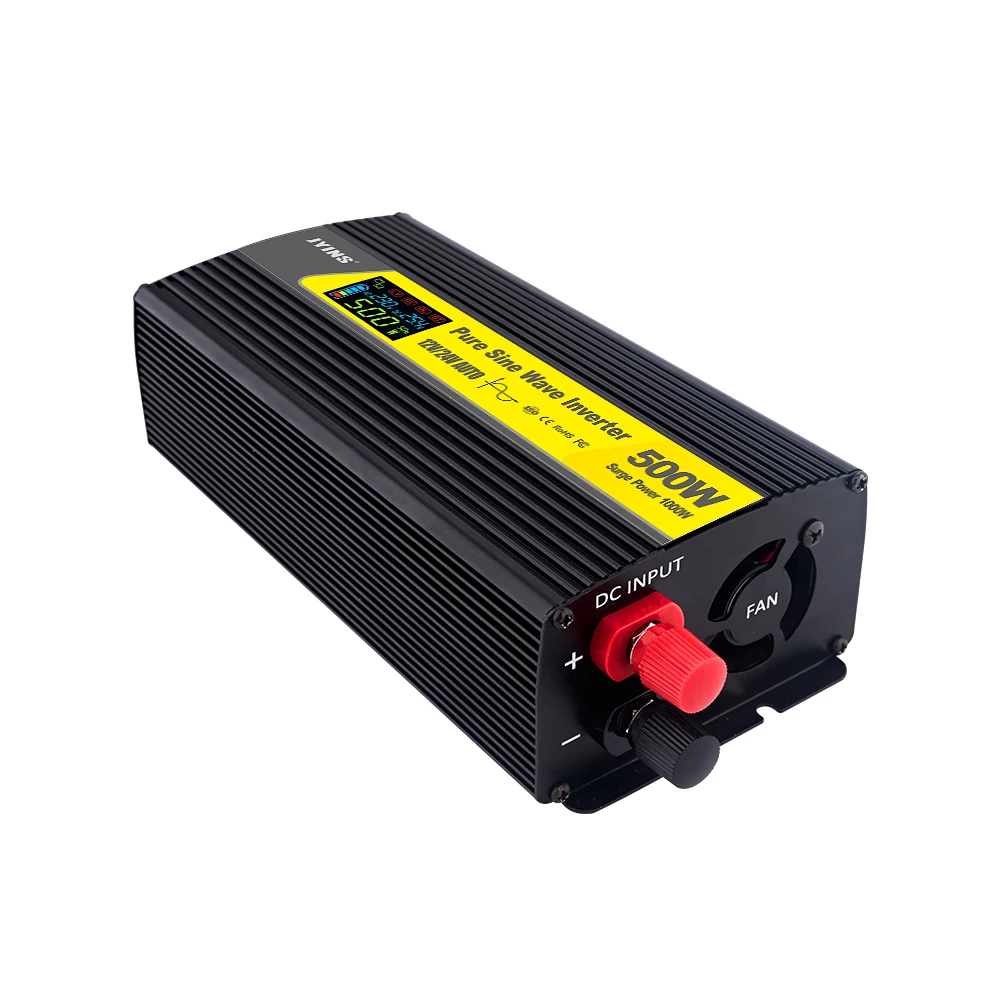
An Jyins inverter drive (also known as a variable frequency drive) is used to control the speed of an AC induction motor. It operates by altering the frequency of the electrical supply to the motor. Put more simply, it makes the motor run faster or slower, as per the requirements of the application. This is a part that can be very useful for industrial applications when one needs various speeds for different jobs.
There are many benefits of using Jyins inverter drives in an industrial environment. For instance it can contribute to an increase of the total efficiency of the machines used. It can save energy and money in the electricity bill by accelerating the speed of running the motor. In addition, inverter drives can prolong the motor life by minimizing damage. They may also offer more control over the Jyins equipment, resulting in increased productivity and better quality products.
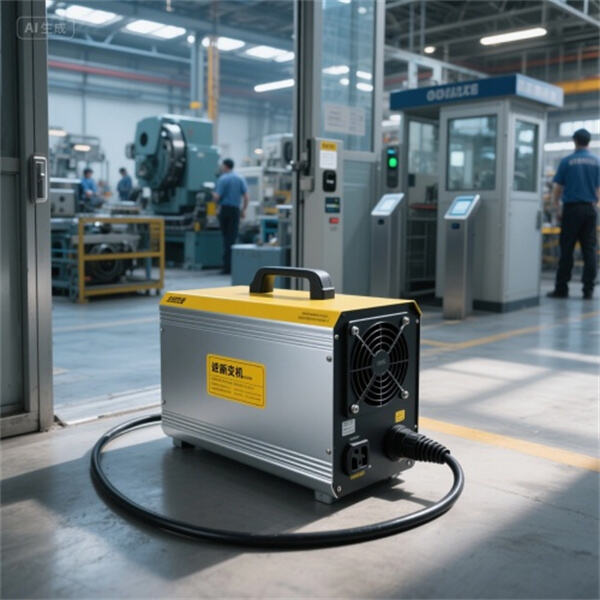
Energy saving is one of the tremendous advantages of using inverter drives. Jyins Inverter drive: By controlling the speed of the motor according to the load, inverter drives can be used to minimize the amount of energy that is wasted. Not only does this save you money on your electric bill, but it helps contribute to a more eco-friendly planet by decreasing the carbon footprint of manufacturing processes. Inverter drives are a wise choice for businesses striving to become more energy efficient and, therefore, cut operating costs.
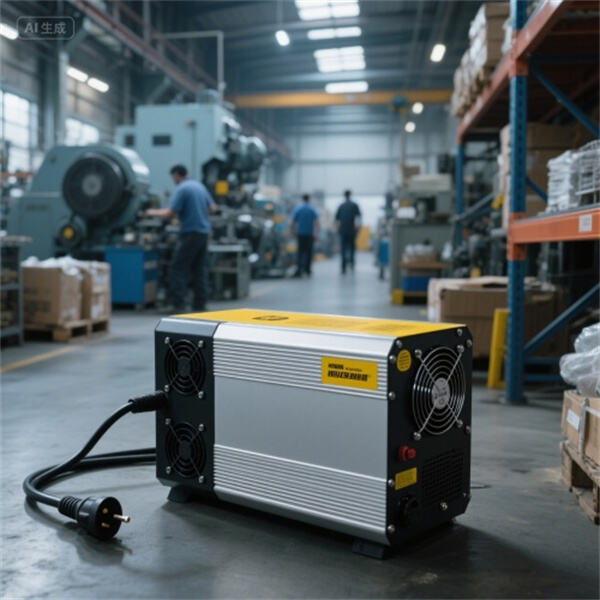
Here are a few of those things to consider when choosing an inverter drive for a specific job. These factors are also the motor power requirement, desired speed range, type of load driven, and whether there are any other special characteristics needed for the Jyins system. Organizations can achieve maximum performance and efficiency by choosing the appropriate inverter drive to meet the job requirements. In addition Jyins can offer a variety of inverter drives, adapted for different industrial uses.
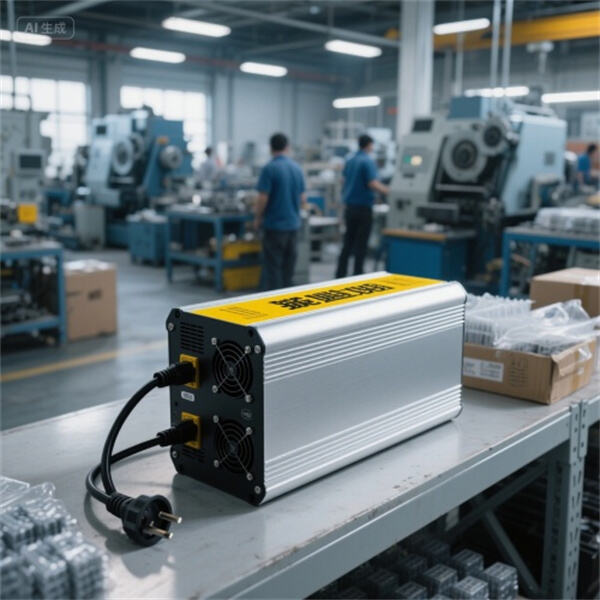
As with all Jyins machinery, Inverter drives can suffer from problems too, but in most cases these can be solved. Typical issues are hot temperature, disconnection of the circuit breakers, motor running too fast or too slow, and communication problems. If you experience any of these problems, it is important to follow the product manufacturer's troubleshooting and maintenance directions. Frequent checks and preventive maintenance will avoid serious problems and maintain the inverter drives in good condition.
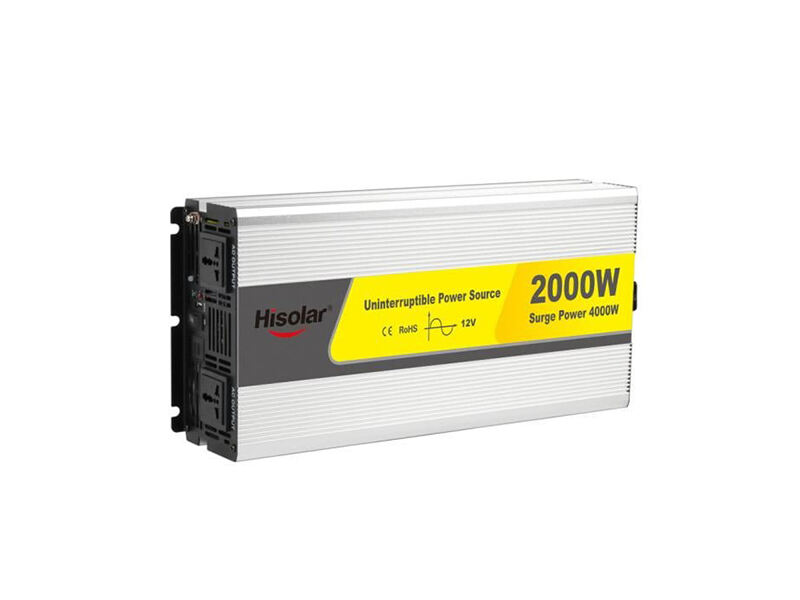
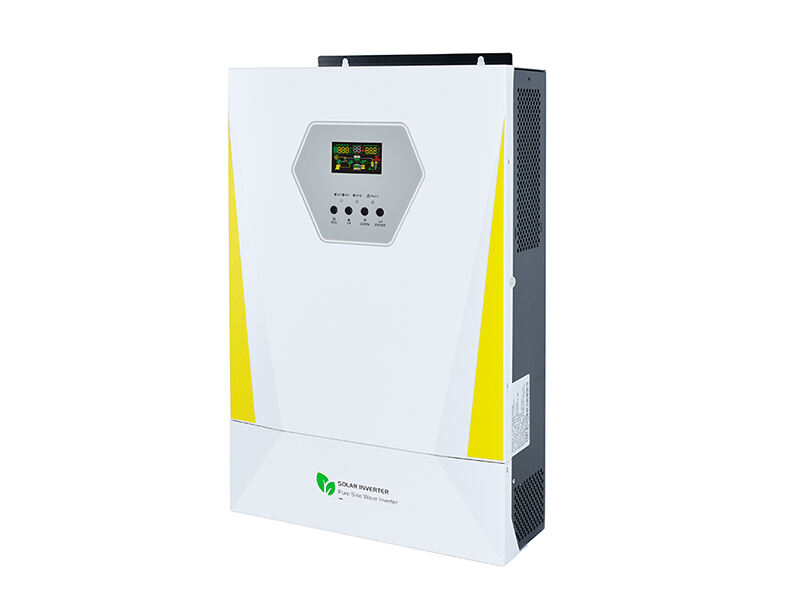
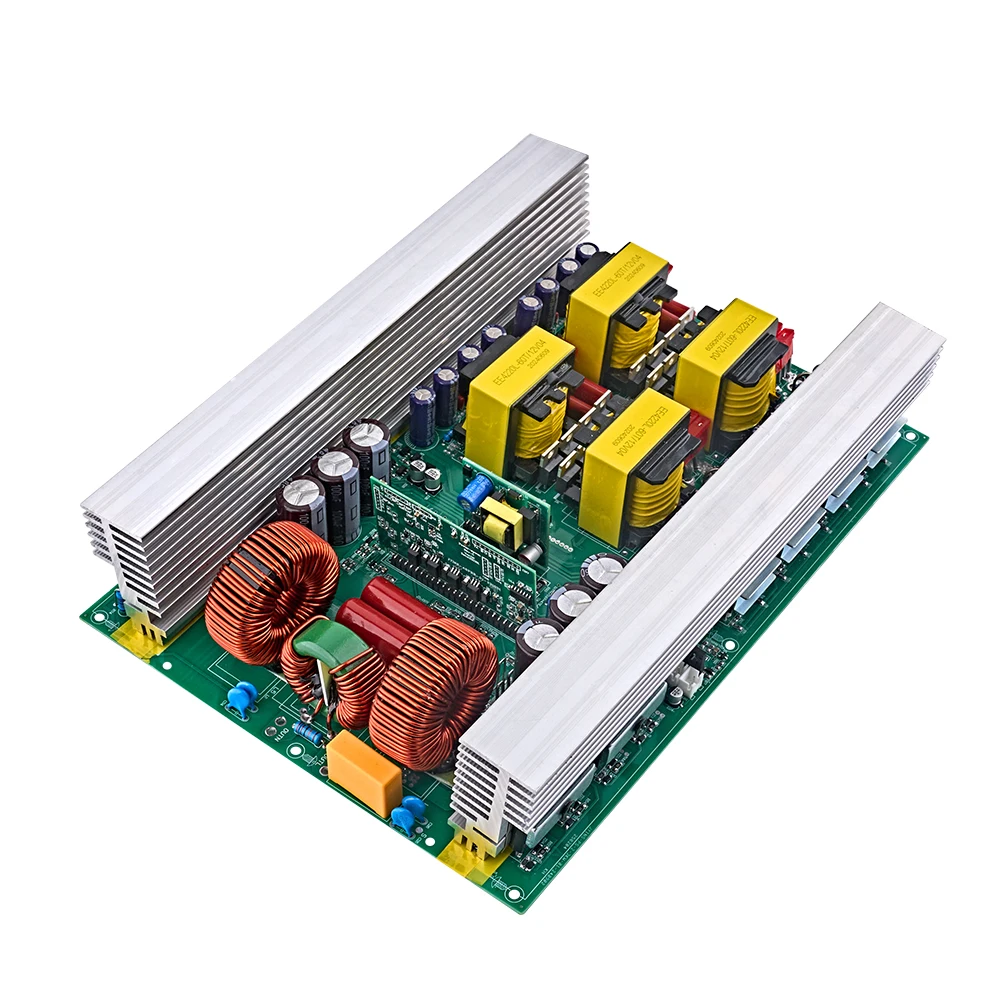
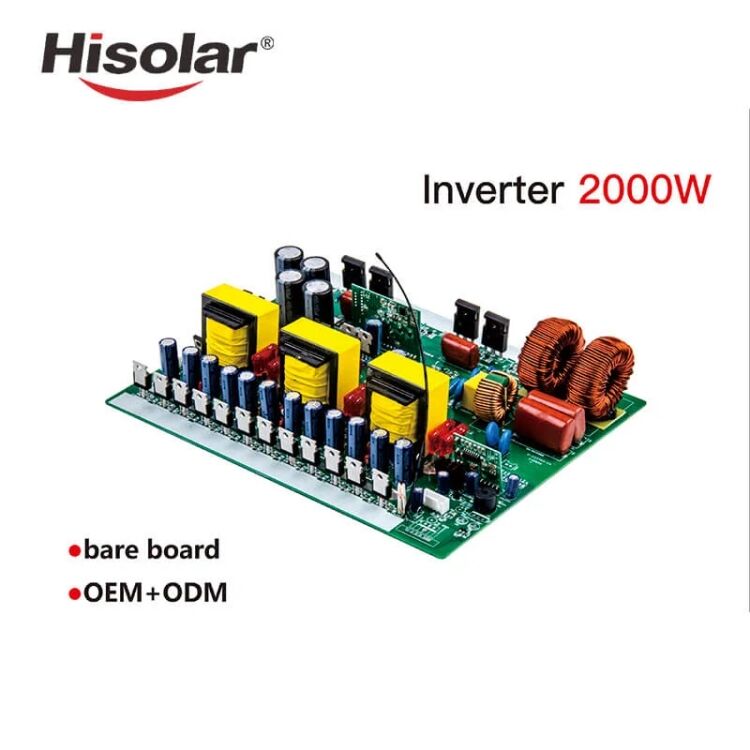
Hisolar (Zhejiang JYINS Electrical Co., LTD.),specializing in the production of power inverters, hybrid solar inverter, customized inverter PCB boards, and other clean energy solutions.