EN


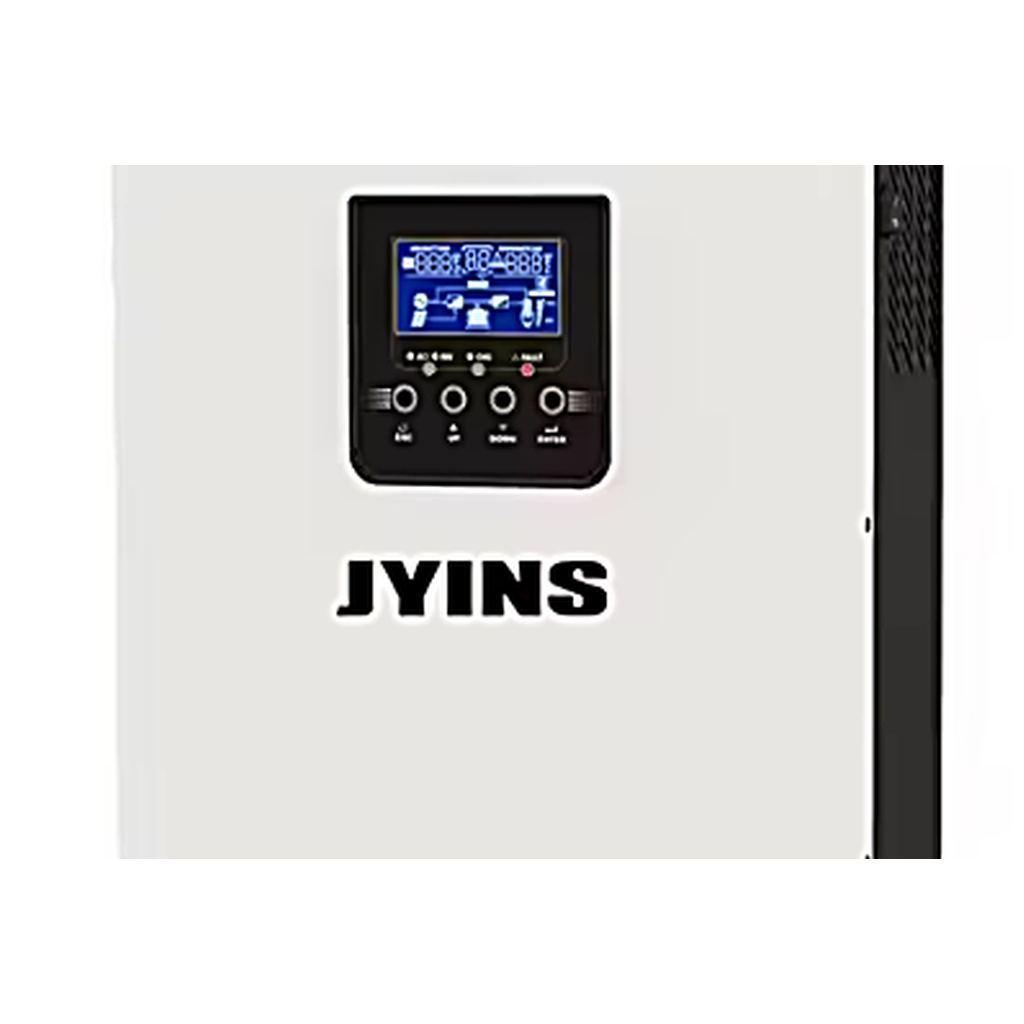
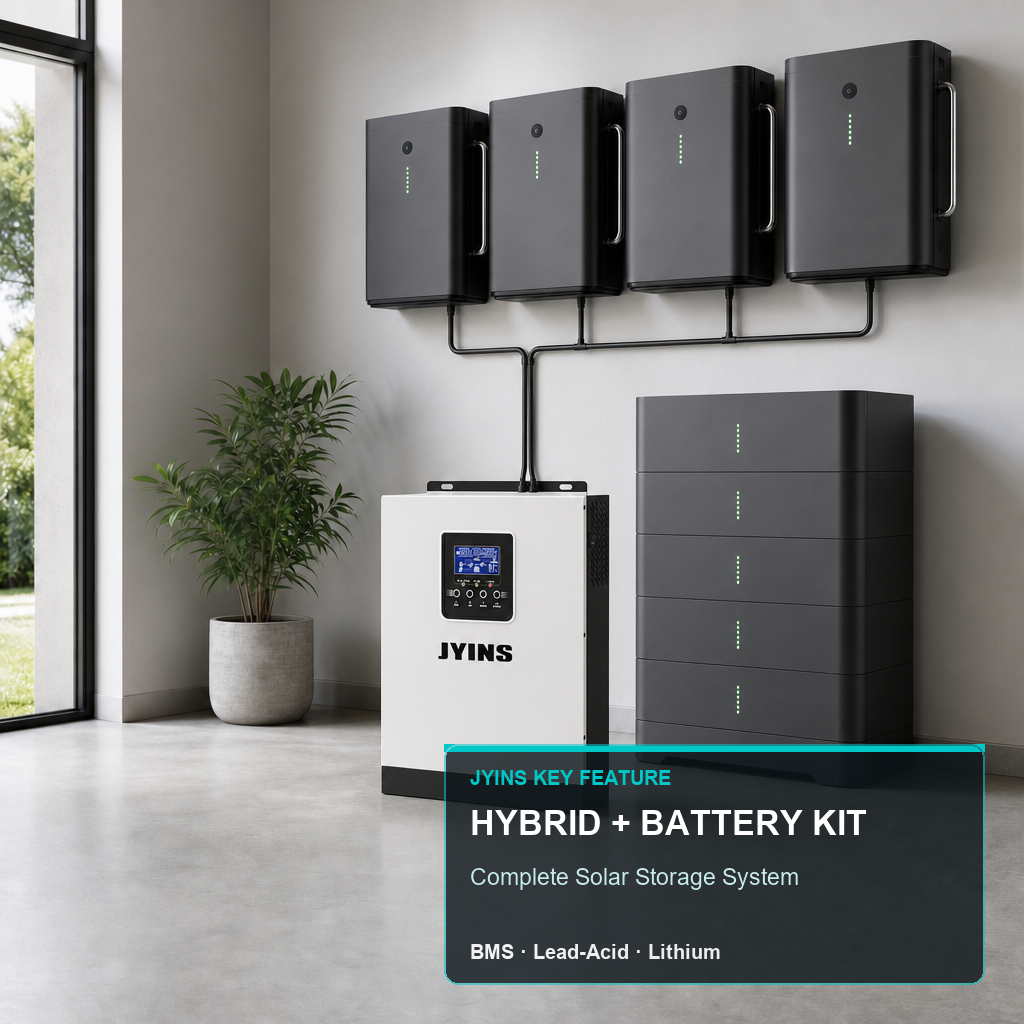
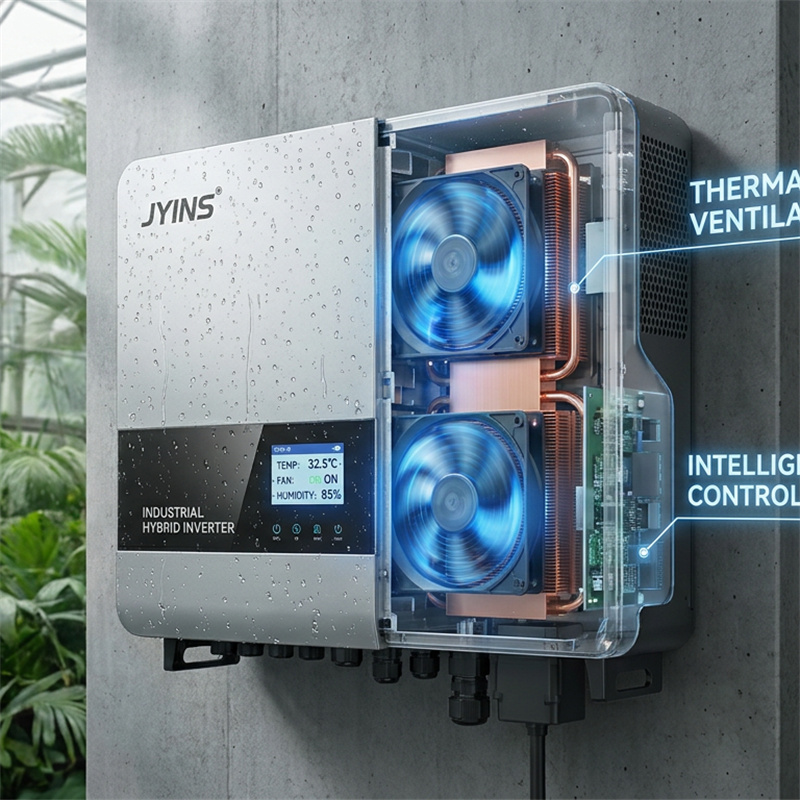
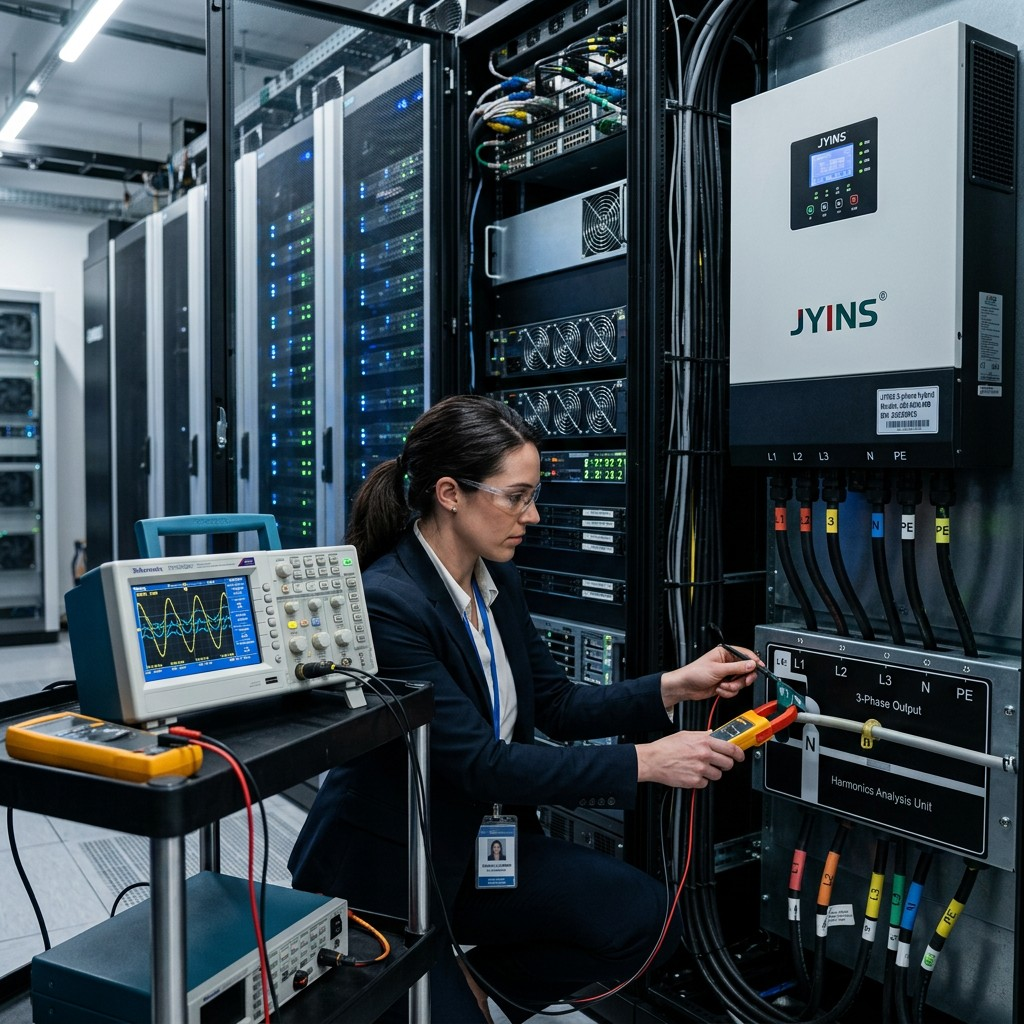
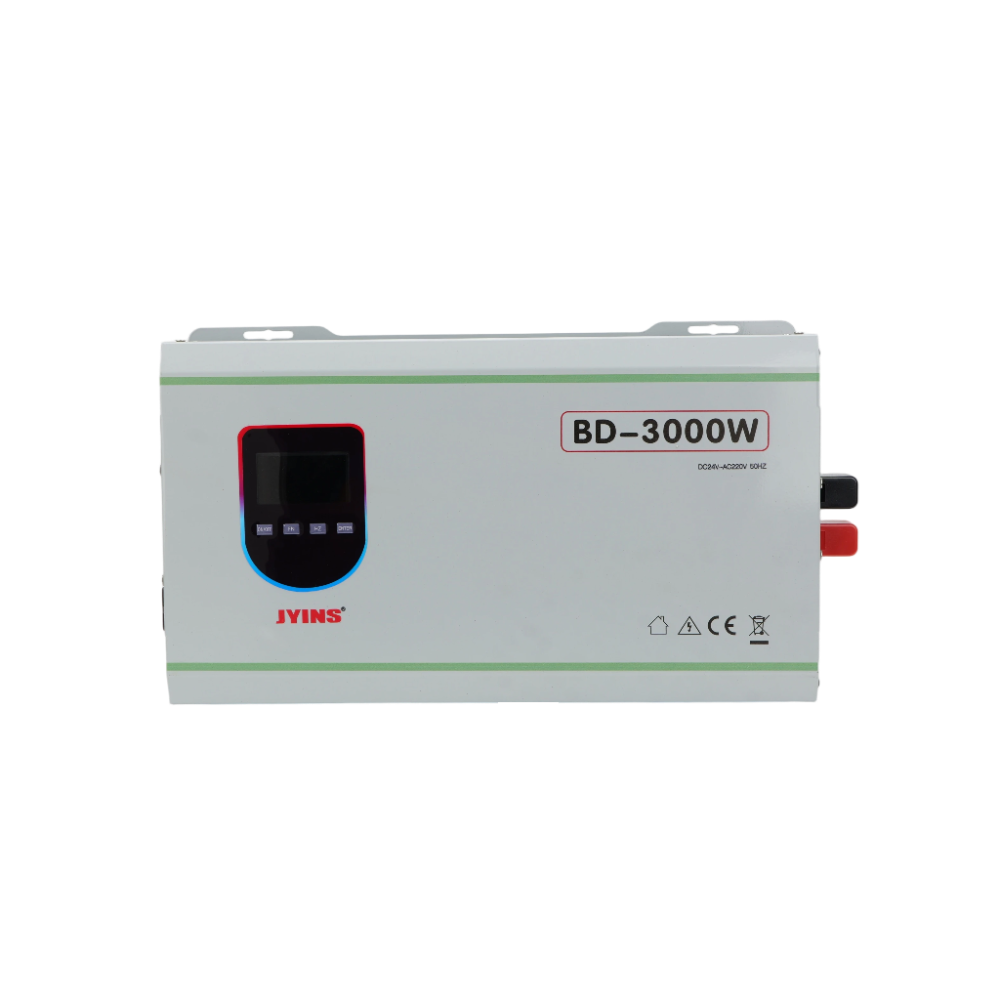
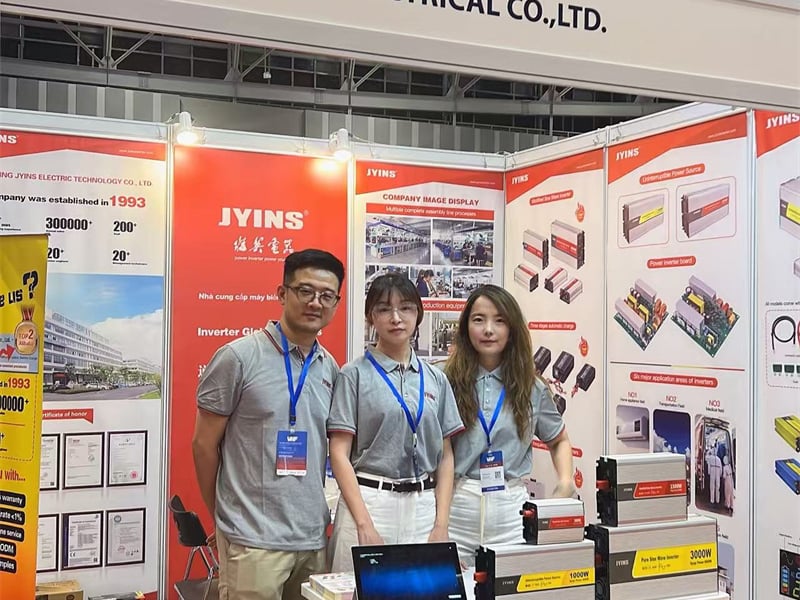
Hybrid inverters with battery storage are becoming popular in many homes and businesses. They work by combining solar energy and battery storage systems. This means they can take energy from the sun and store it in batteries for later use. Jyins is a company that makes these kinds of inverters. They are designed to help people save money and use energy more wisely. With a hybrid inverter, you can have power even when the sun isn’t shining. This technology can help reduce electric bills and make homes more energy-efficient. People are increasingly looking for ways to use green energy. So, hybrid inverters from Jyins offer a smart solution for those who want to make a positive change.
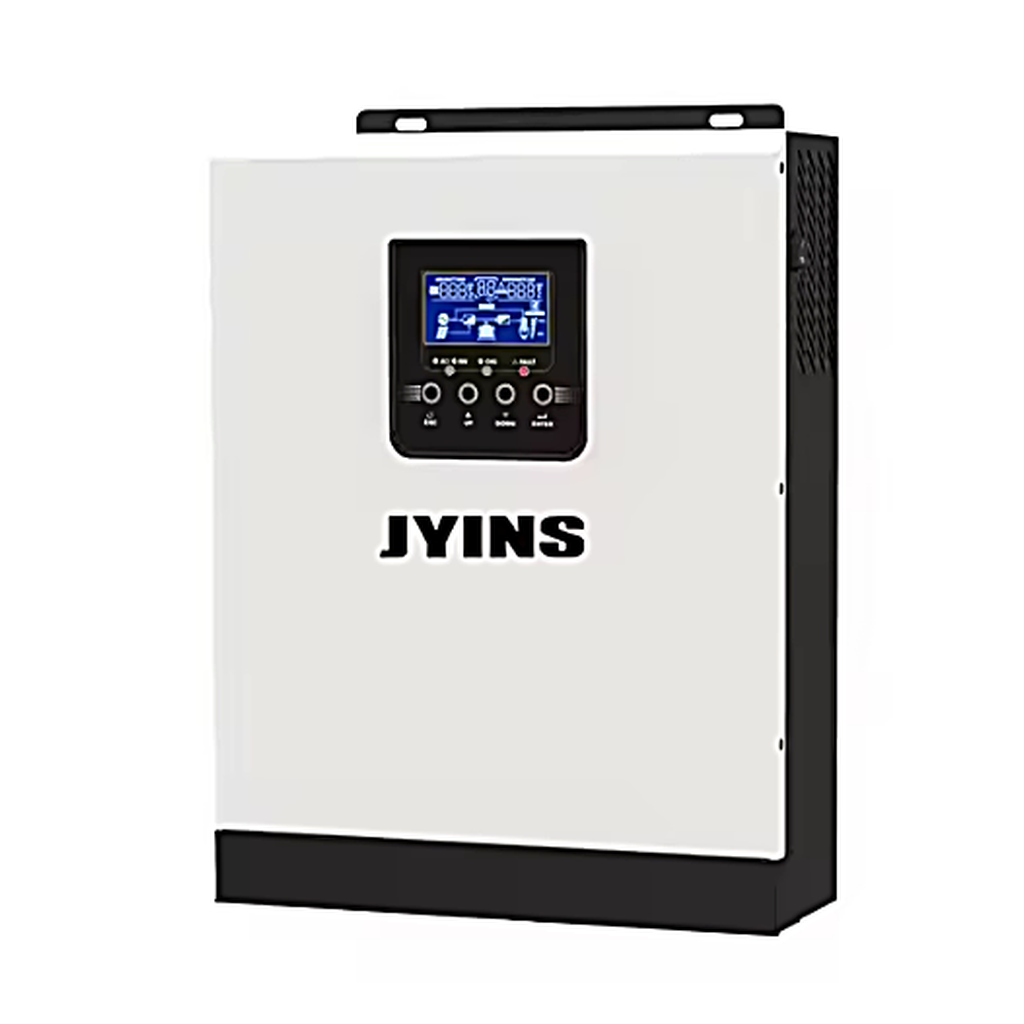
How to Choose the Right Hybrid Inverter for Your Needs?
While hybrid inverters with battery storage are beneficial, they can have some common issues. One issue is the cost of installation. Setting up a hybrid system can be expensive. Not everyone can afford the initial investment. However, many people find that the savings on their electricity bills make it worth it over time. Another problem can be battery lifespan. Batteries don’t last forever. They usually need to be replaced every 5 to 15 years, depending on the type and how often they are used. This can be an added cost for homeowners. Additionally, some users face technical problems with the inverter itself. For example, the inverter might not work well if it’s not installed correctly. This can lead to poor energy capture and storage, which means wasted potential savings. Regular maintenance is important but can be overlooked. If the system is not checked regularly, it may not function at its best. Another issue can be battery management. If someone doesn’t understand how to manage the battery properly, it can lead to overcharging or draining, which can damage the battery. Furthermore, not all hybrid inverters are compatible with every type of solar panel or battery. It’s best to consult with a professional, like those from Jyins, to ensure the right system is chosen. Lastly, weather can be a factor. Extreme weather conditions can affect solar energy production. For instance, heavy snow or rain can limit energy capture. Despite these issues, many people find hybrid systems to be a valuable investment. With proper care and understanding, the benefits often outweigh the challenges.