EN
EN



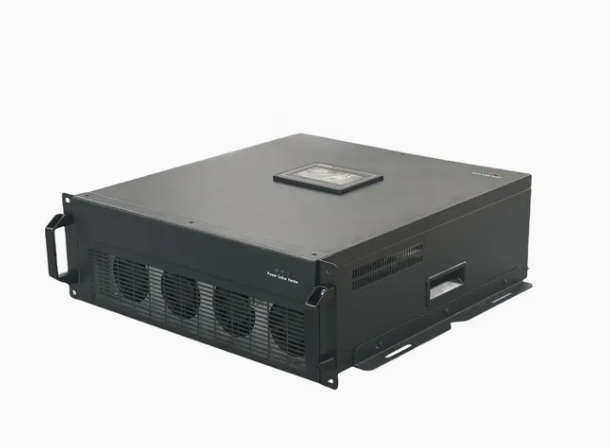
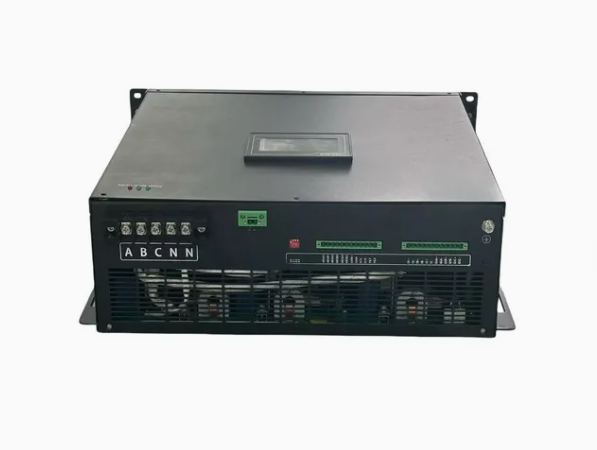
The JYINS Three-Phase Imbalance Correction APF is a specialized active power filter designed to correct phase imbalance, compensate reactive power, and suppress harmonics in three-phase four-wire distribution systems. Using advanced DSP-controlled IGBT power modules, it redistributes current across phases to achieve near-perfect balance, eliminating neutral current overload and reducing energy losses. Essential for facilities with single-phase loads, EV chargers, data centers, and commercial buildings.
Parameter |
Specification |
Model Series |
JYAPF-IB Series |
Rated Voltage |
380V/400V/480V AC (3-Phase 4-Wire) |
Compensation Capacity |
50A / 100A / 150A / 200A per Module |
Balance Correction |
Neutral Current Reduction > 90% |
Reactive Power Compensation |
Power Factor > 0.99 After Correction |
Harmonic Filtering |
2nd–51st Order Selective |
Response Time |
< 5ms |
Topology |
3-Level IGBT with 4-Wire Capability |
Parallel Modules |
Up to 10 Modules |
Communication |
RS485 / Modbus / Ethernet |
Efficiency |
> 97% |
Enclosure |
IP20 / IP31 Cabinet |
Zhejiang Jingying (JYINS) Electrical Co., Ltd., established in 1993, is a leading manufacturer with over 30 years of expertise in power inverters, solar charge controllers, energy storage systems, and renewable energy solutions. Our 500+ employee factory in Wenzhou, China, serves clients across 50+ countries with ISO9001/CE/SAA/RoHS certified products.
Q: What causes three-phase imbalance?
A: Uneven distribution of single-phase loads (lighting, computers, EV chargers) across three phases causes current imbalance, leading to neutral overload, voltage distortion, and energy losses.
Q: How does the APF correct imbalance?
A: The APF measures current on each phase in real-time and injects compensating currents to redistribute load evenly across all three phases.
Q: Can it work with existing capacitor banks?
A: Yes, the APF can operate in parallel with existing passive compensation equipment, handling the dynamic imbalance while capacitors provide base reactive compensation.
Q: What's the typical energy saving?
A: Users typically see 3-8% reduction in total energy consumption from reduced line losses, plus elimination of power factor penalties from utilities.
Hisolar (Zhejiang JYINS Electrical Co., LTD.),specializing in the production of power inverters, hybrid solar inverter, customized inverter PCB boards, and other clean energy solutions.