EN


Bidirectional Inverter Circuit Board Supplier: What OEM Buyers Should Check Before Ordering
A bidirectional inverter circuit board is the assembled power stage that moves energy both ways: DC to AC for loads, AC back to DC for charging. JYINS has built electrical products in Wenzhou since 1993 and ships these boards — bare boards from 300 W to 3 kW, PCB modules, finished units — to customers in 50+ countries. Four things decide the outcome: what the board does, what you specify, who builds it, and what is actually certified.
1. What It Is, and What It Is Not
A bidirectional inverter circuit board is an assembled PCB that converts DC into AC and rectifies AC back into DC through the same power stage, so one board both discharges a battery into AC loads and recharges it from the grid, a generator, or PV. Charge and discharge share magnetics, sensors, and firmware, so mode switching, dead time, and protection sit in one controller — on our platforms a DSP running SPWM, which also owns the charging profile and the RS485 stack.
Three limits matter:
It stores no energy.
- Cells and the BMS are separate.
It is not a complete inverter.
- Our 1500 W module still needs an enclosure, heatsink, fan, terminals, and display.
It is not certified on its own.
- Certification applies to a finished model.
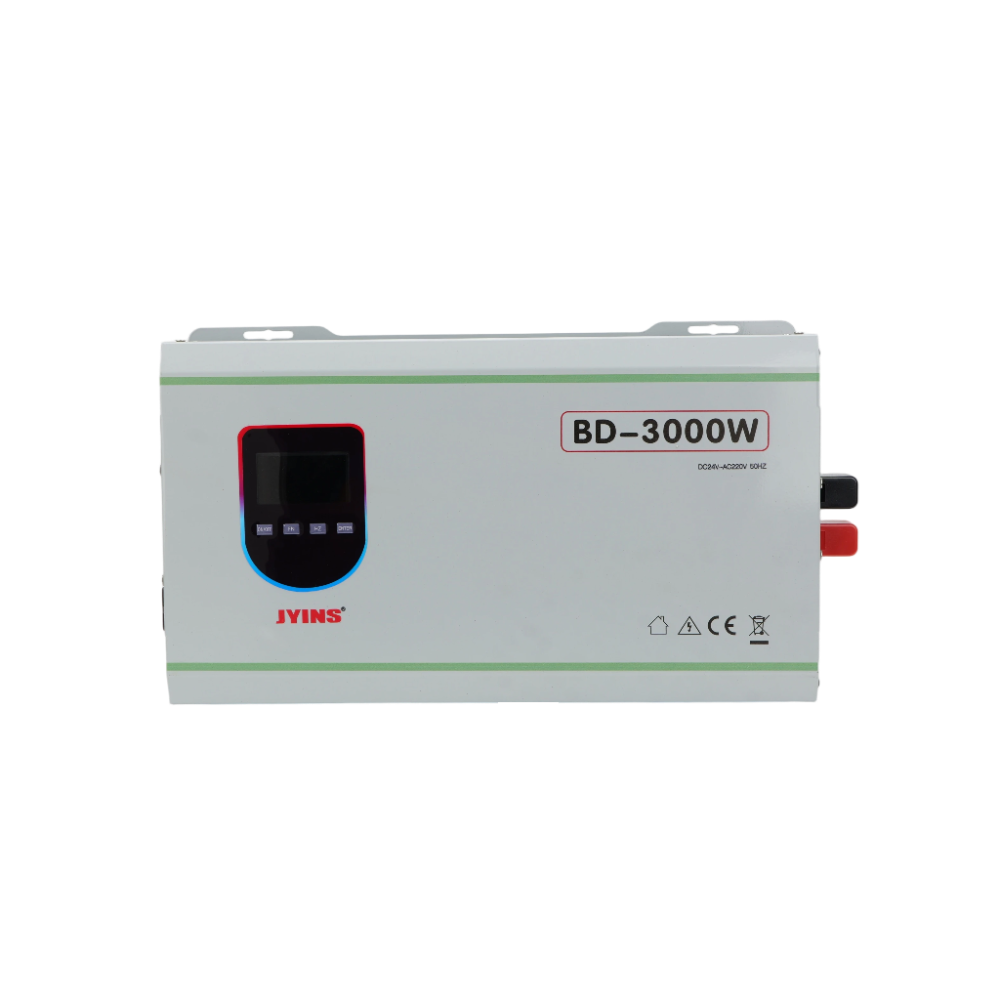
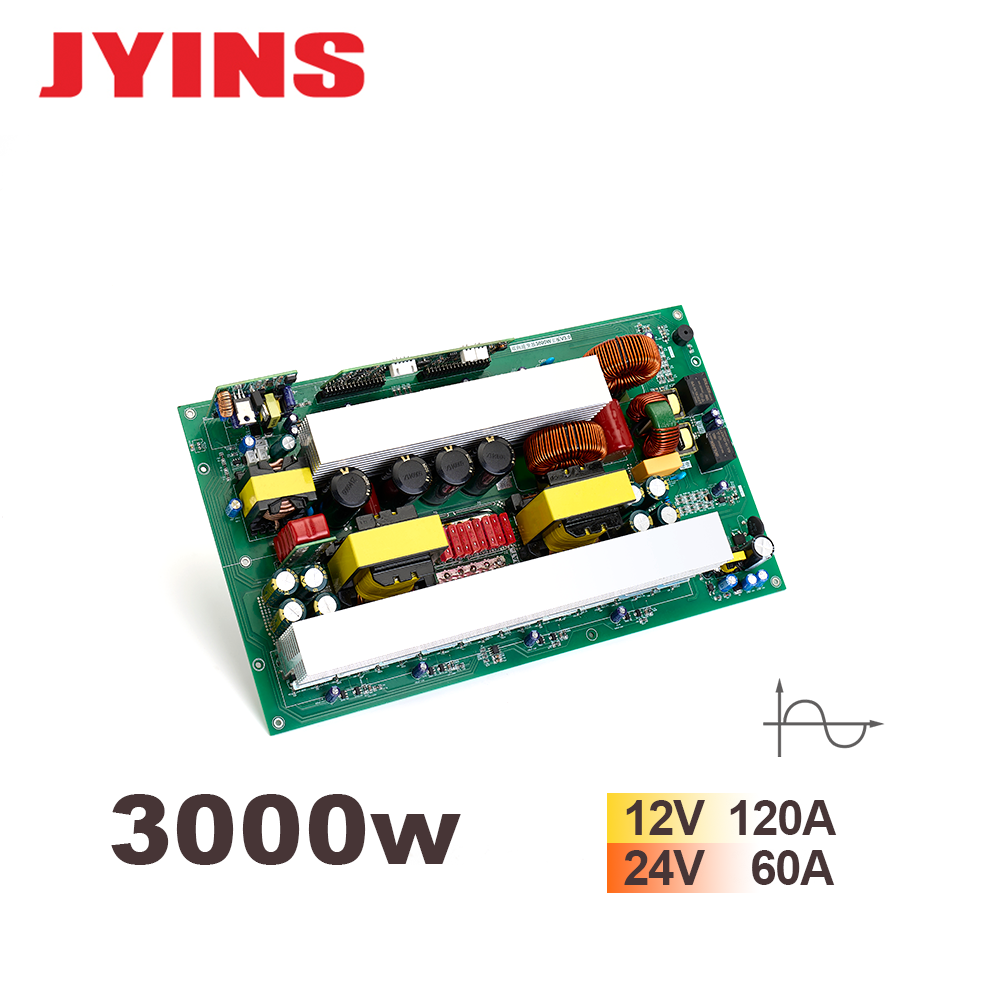
We build all three, and the choice is the first fork in a project: a 300 W / 500 W bidirectional bare board, a 1500 W PCB module or 3000 W board, and a finished 12/24/48 V unit. A per-board quote set against a finished-unit spec is the most common apples-to-oranges error here.
2. What It Does in a System
One board runs one battery port and one AC port in both directions, without a second charger. Our platforms are specified into ambulance and emergency power, RV and camping, PV and off-grid engineering, and marine shore power; the same boards go into storage and portable power stations.
It cannot create energy, improve power quality upstream, or include a transfer switch unless specified.
Round-trip efficiency = η(AC to DC) × η(DC to AC)
92% charging with 94% discharging is about 86% round-trip — ask for both directions, and whether the figure is peak or weighted, at what load and ambient.
3. How It Works
Take the JYP-PCB1500 as the reference: 1500 W continuous, 12/24/48 V input by model, DSP with SPWM, THD below 3%, output configurable across 110/120/220/230/240 V and 50 or 60 Hz, RS485 Modbus, FR-4 at 1.6 mm with 2 oz copper, plus a temperature-sensor output for your fan control. Mode change is where field failures cluster: stop PWM, wait out dead time, reconfigure the bridge for synchronous rectification, then soft-start with current limiting. Our finished units switch in 10 ms.
The most common support ticket — "it charges, but the battery dies early" — is one generic curve applied to three chemistries. Ours are separate: lead-acid in three stages (bulk, absorption, float); LiFePO4 with BMS communication tuned to the 3.60–3.65 V per-cell window of our 16-cell series platform; gel at 14.2–14.4 V absorption and 13.6 V float. Frequency is one setting, not two SKUs, and firmware updates over the air.
4. Bidirectional vs Unidirectional
|
Dimension |
Bidirectional |
Unidirectional |
|
Energy flow |
DC→AC and AC→DC |
DC→AC only |
|
Function |
Inverting plus PFC charging |
Inverting only |
|
Control risk |
Mode switching, charge profiles, battery comms |
Fixed output stage |
|
Cost per watt |
Higher |
Lower |
|
Certification scope |
Charger, inverter, battery interface |
Inverter only |
If the pack must also recharge from AC, go bidirectional; if it is charged elsewhere, a pure sine wave inverter board is cheaper and simpler to certify.
5. Specify These Before You Ask for a Price
Rated power and surge; DC window, chemistry and cutoff; AC voltage, frequency and THD target; efficiency in both directions plus no-load draw; isolation; the protection set; communications (RS485/Modbus, CAN, dry contacts, OTA); board outline, connectors, heatsink and coating; target market and certification. Sizing: continuous power = running load × 1.25, and surge must cover the largest motor's locked-rotor draw.
6. How to Vet a Supplier
Ask what they can show, not whether they are a factory. Four things separate a builder from a reseller: a shipped documentation pack (schematic, BOM, pinout, RS485 protocol, test report, integration guide); a test report per board, not per brochure; the Modbus register map itself; and a written ECN and last-time-buy policy. Red flags: finished-product photos only, no derating data, quotes without model or firmware revision, one charge profile for all three chemistries.
7. MOQ, Lead Time, Warranty
MOQ is quoted per project, because it is set by component packaging, SMT changeover, and per-model test cost. PCB samples run 7–10 days, standard products ship within 10 days, and boards carry a 1–2 year warranty, remedied by a repaired or replacement PCB not a whole-unit swap.
8. What We Certify
We hold ISO 9001, ISO 14001, ISO 45001, CE, RoHS, FCC and SAA, plus TÜV marks on our site, and the bidirectional platform has passed EMC Class B. Certification applies to a finished model, not a bare board, and the holder is normally the brand owner; if your market needs a listed unit, we build and document to the standard and support your testing.
9. FAQ
What is a bidirectional inverter circuit board, and what is it used for?
It is an assembled circuit board that converts DC to AC and rectifies AC back to DC on one power stage, so a battery can both supply loads and recharge from the grid, a generator, or PV. Typical uses are ambulance and emergency power, RV and marine systems, off-grid storage, and portable power stations.
Do you build the board in-house, or resell it?
JYINS designs and builds the boards in Wenzhou, where the company has manufactured electrical products since 1993, with a 12-person R&D team averaging 15+ years.
What is your MOQ and sample lead time?
MOQ is quoted per project, set by component packaging, SMT changeover, and per-model test cost. Samples run 7–10 days and standard products ship within 10 days.
Do you have certification?
We hold ISO 9001/14001/45001, CE, RoHS, FCC, SAA and TÜV, and EMC Class B on the bidirectional platform.
10. Why Choose JYINS
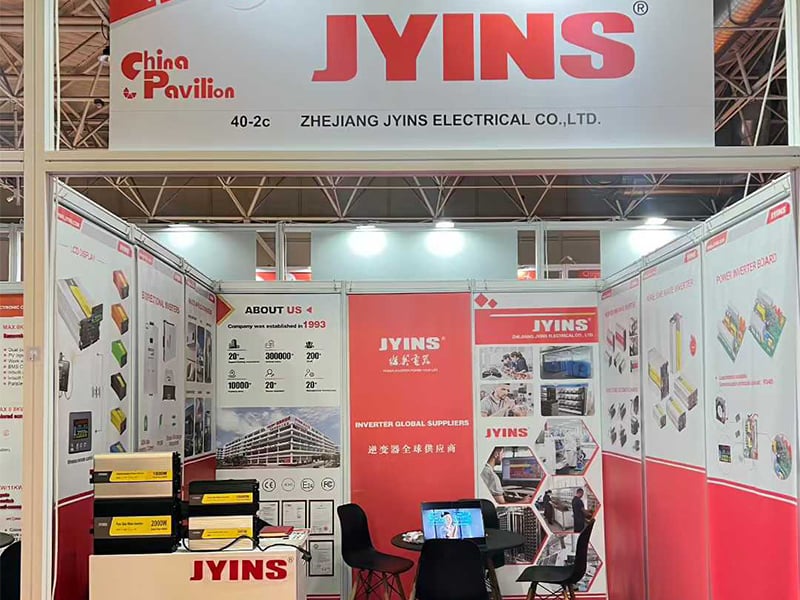
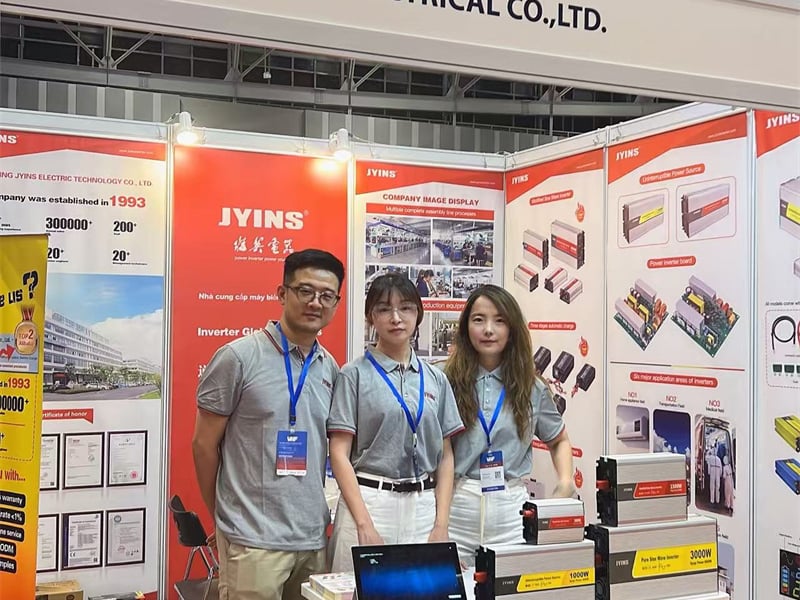
Since 1993 in Wenzhou; 150+ employees including 8 senior engineers; a provincial-level technology centre with a 12-person R&D team averaging 15+ years and 30+ national patents; 300+ moulds, 700+ installations; export to 50+ countries. We helped draft the national standard for household mobile energy storage power sources, and exhibited at Vietnam Hardware Fair 2025, the 25th Iran International Electricity Exhibition 2025, and Solar & Storage Live Philippines 2026. The bidirectional range and PCB modules are published with parameters, not photographs.
Send your DC window, power rating, market, and certification requirement — we will reply with the board reference that fits. Talk to our engineers.
Table of Contents
- Bidirectional Inverter Circuit Board Supplier: What OEM Buyers Should Check Before Ordering
- 1. What It Is, and What It Is Not
- 2. What It Does in a System
- 3. How It Works
- 4. Bidirectional vs Unidirectional
- 5. Specify These Before You Ask for a Price
- 6. How to Vet a Supplier
- 7. MOQ, Lead Time, Warranty
- 8. What We Certify
- 9. FAQ
- 10. Why Choose JYINS